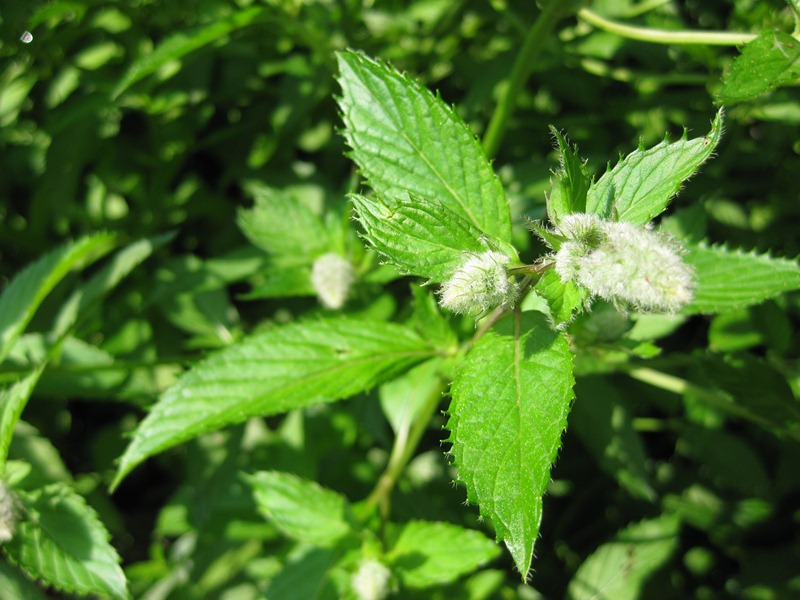
Peppermint (*Mentha x piperita*), a hybrid of watermint and spearmint, is a well-known aromatic herb with a long history in traditional medicine. While commonly used for flavouring, its therapeutic applications, particularly for digestive health, are supported by a growing body of scientific evidence. The primary active compound responsible for its characteristic scent and medicinal properties is menthol.
However, using peppermint effectively and safely requires a clear understanding of its mechanisms, appropriate dosages, and potential risks. This article provides an evidence-based overview of peppermint’s validated health benefits, focusing on proper administration and crucial safety protocols.

Evidence-Based Benefits of Peppermint
While traditional use covers a wide range of ailments, modern research has focused on a few key areas where peppermint shows significant potential.
1. Relief for Irritable Bowel Syndrome (IBS) Symptoms
Peppermint oil is one of the most studied herbal remedies for IBS. Its primary mechanism of action is its antispasmodic effect on the smooth muscles of the gastrointestinal tract. Specifically, menthol acts as a calcium channel blocker, which helps relax the intestinal muscles, thereby reducing the cramping and abdominal pain characteristic of IBS.
Furthermore, a 2019 meta-analysis published in BMC Complementary and Alternative Medicine concluded that peppermint oil is a safe and effective short-term treatment for IBS. For this purpose, it is crucial to use enteric-coated capsules, which prevent the oil from being released in the stomach and causing heartburn.
2. Alleviating Indigestion (Functional Dyspepsia)
Peppermint has traditionally been used as a carminative, an agent that helps expel gas from the stomach and intestines. Research indicates that peppermint oil can help relax the stomach muscles and improve the flow of bile, which the body uses to digest fats. Consequently, this can lead to food passing through the stomach more quickly.
According to the European Medicines Agency (EMA) monograph, peppermint oil, often in combination with caraway oil, is recognized for its use in relieving symptoms of indigestion, such as bloating and flatulence.
3. Easing Tension Headaches
For tension-type headaches, topical application of peppermint essential oil has shown promising results. When diluted and applied to the forehead and temples, the menthol content produces a cooling sensation that can have an analgesic (pain-relieving) effect. Indeed, some studies suggest its efficacy is comparable to that of common over-the-counter pain relievers for this specific type of headache.
A study published in the journal Nervenarzt found that a 10% peppermint oil solution applied topically was significantly more effective than a placebo in reducing headache intensity.
4. Respiratory Symptom Relief (Inhalation)
Menthol is a common ingredient in many over-the-counter chest rubs and inhalants for a reason. Inhaling the vapour from peppermint essential oil can help create a sensation of improved airflow and may act as a temporary decongestant. It helps to soothe irritated nasal passages, making it easier to breathe during a common cold or sinusitis. However, it is important to note that this provides symptomatic relief and does not treat the underlying infection.
Administration Protocol and Safety Limits
Proper administration is critical for both the efficacy and safety of peppermint.
Treatment Duration and Cycles
- For IBS (Enteric-Coated Capsules): Treatment duration is typically 4 weeks. If symptoms persist, consult a healthcare provider. A break of at least 2-4 weeks is recommended between treatment cycles.
- For Peppermint Tea: Can be consumed daily for up to 14-21 days, followed by a mandatory break of 7 days to avoid tolerance or side effects.
- Topical Use (Headaches): Use as needed, but discontinue if skin irritation occurs. Do not apply more than 3-4 times per day.
Quantity and Maximum Dose
- Enteric-Coated Capsules (IBS): The standard adult dose is 180-200 mg (0.2 mL) of peppermint oil, taken 1 to 3 times per day.
- Peppermint Tea (Indigestion): Use 1-2 grams of dried leaves per 150 mL of boiling water, steeped for 10-15 minutes. Consume up to 3 times daily.
- Topical Oil (Headaches): Use a preparation containing up to 10% peppermint oil. Apply a thin layer to the temples and forehead.
Overdose Risk: Exceeding the recommended dose of peppermint oil capsules can lead to severe side effects, including nausea, heartburn, abdominal pain, and in rare cases, kidney issues.
Administration Conditions
- Timing: Enteric-coated capsules should be taken 30-60 minutes before meals on an empty stomach.
- Method of Consumption: NEVER ingest pure, undiluted essential oil. For internal use, only specifically designed enteric-coated capsules are considered safe.
- Incompatibilities: Do not take capsules at the same time as antacids, as this can cause the enteric coating to dissolve prematurely in the stomach, leading to heartburn.
Specific Biological Limitation
Effect on the Lower Esophageal Sphincter (LES): Peppermint contains menthol, which relaxes smooth muscles. While this is beneficial for the intestines in IBS, it also relaxes the LES—the muscular valve between the esophagus and the stomach. This relaxation can allow stomach acid to flow back into the esophagus, causing or worsening symptoms of Gastroesophageal Reflux Disease (GERD), such as heartburn and acid reflux. For this reason, individuals with GERD or a hiatal hernia should avoid peppermint, especially in concentrated forms.
Contraindications and Precautions
Absolute Contraindications (Avoid Use)
- GERD and Hiatal Hernia: As explained above, peppermint can worsen acid reflux.
- Gallbladder Disorders: Individuals with gallstones or bile duct obstruction should avoid peppermint oil as it can stimulate bile flow, potentially causing complications.
- Severe Liver or Kidney Disease: The body metabolizes components of peppermint oil in the liver. Therefore, those with compromised liver or kidney function should not use it without medical supervision.
Vulnerable Populations
- Pregnancy and Breastfeeding: Insufficient data exists on safety. It is best to avoid medicinal doses of peppermint oil. Peppermint tea in moderation is generally considered safe, but consult a healthcare provider first.
- Children: Oral peppermint oil is not recommended for children under 8 years old. Never apply peppermint oil to the face or chest of infants or young children, as it can cause life-threatening breathing problems (laryngospasm).
Major Drug Interactions
- Cyclosporine: Peppermint oil can slow the breakdown of this immunosuppressant drug, potentially increasing its levels and side effects.
- Antacids: Can break down the enteric coating of peppermint oil capsules, leading to heartburn.
- Drugs Metabolized by the Liver (CYP3A4 Substrates): Peppermint may interfere with the metabolism of certain medications. Consult your pharmacist or doctor if you are taking prescription drugs.
Therapeutic Alternatives
If peppermint is not suitable for your condition, consider these evidence-based alternatives:
| Condition | Botanical Alternative | Mechanism & Use |
|---|---|---|
| IBS (Pain & Bloating) | Caraway Oil (*Carum carvi*) | Also an antispasmodic and carminative. It is often combined with peppermint oil for a synergistic effect in treating functional dyspepsia and IBS. |
| IBS (Constipation/Diarrhea) | Psyllium Husk (*Plantago ovata*) | A soluble fiber that helps regulate bowel movements. It can soften stool in constipation-predominant IBS and add bulk in diarrhea-predominant IBS. |
| Tension Headaches | Lavender Oil (*Lavandula angustifolia*) | Inhalation or topical application may help reduce headache severity due to its calming and analgesic properties. |
Note: Each alternative has its own set of contraindications and should be researched before use.
Recent Medical Research (2020-2026)
Recent studies continue to reinforce peppermint oil’s role in gastroenterology.
- A 2021 systematic review and meta-analysis published in the Journal of Clinical Gastroenterology confirmed that enteric-coated peppermint oil is superior to placebo for improving global IBS symptoms and abdominal pain.
- Research is also exploring the antimicrobial and anti-biofilm properties of peppermint oil, which may contribute to its beneficial effects in the gut by modulating the gut microbiota. However, more human studies are needed in this area.
Current Limitations: While short-term efficacy for IBS is well-established, long-term safety data beyond 8-12 weeks is still limited. Further research is needed to understand its full impact on the gut microbiome.
Specialist’s Summary
Peppermint oil is a well-validated phytotherapeutic agent, particularly useful for managing symptoms of Irritable Bowel Syndrome (IBS) and functional dyspepsia when used in enteric-coated capsules. Its effects, primarily driven by menthol’s antispasmodic action, typically appear within a few weeks of consistent use. However, it is strictly contraindicated for individuals with GERD, hiatal hernia, and gallbladder disease. Validated alternatives for digestive issues include caraway oil for spasms and psyllium husk for bowel regulation.
Frequently Asked Questions
1. Can I drink peppermint essential oil in water for indigestion?
No, this is unsafe. Ingesting undiluted essential oils can cause severe irritation to the mucous membranes of the mouth, esophagus, and stomach. For internal use, only commercially prepared enteric-coated capsules designed for this purpose should be used under professional guidance.
2. Is peppermint tea as effective as peppermint oil capsules for IBS?
Peppermint tea is much less concentrated and is helpful for mild indigestion or bloating. For the clinically studied antispasmodic effects needed for IBS symptom relief, enteric-coated peppermint oil capsules are significantly more potent and effective because they deliver a concentrated dose directly to the intestines.
3. How long does it take for peppermint oil to work for IBS?
While some people may notice improvements within a few days, clinical studies generally show significant benefits after 2 to 4 weeks of consistent use. It is not an immediate remedy but works over time to regulate intestinal muscle contractions.
4. Is peppermint safe for children?
Medicinal peppermint oil should not be given orally to children under 8. Critically, peppermint oil (even from vaporizers or chest rubs) should never be applied to the face or near the nose of infants and young children, as it can cause serious breathing difficulties.
Sources and References
Recent Studies (2020-2026):
- Alammar, N., et al. (2019). The impact of peppermint oil on the irritable bowel syndrome: a meta-analysis of the pooled clinical data. BMC Complementary and Alternative Medicine. https://www.ncbi.nlm.nih.gov/pmc/articles/PMC6337770/
- Weerts, Z. Z. R. M., et al. (2021). Efficacy and Safety of Peppermint Oil in a Randomized, Double-blind Trial of Patients With Irritable Bowel Syndrome. Journal of Clinical Gastroenterology. https://pubmed.ncbi.nlm.nih.gov/34232232/
Official Monographs:
- European Medicines Agency (EMA). (2019). European Union herbal monograph on Mentha x piperita L., aetheroleum. EMA/HMPC/37336/2019
- National Center for Complementary and Integrative Health (NCCIH). Peppermint Oil. https://www.nccih.nih.gov/health/peppermint-oil
⚠️ Important Medical Information
This article is for educational and informational purposes only and is not intended as medical advice, diagnosis, or treatment. The information provided about Peppermint (*Mentha x piperita*) is based on traditional use, preliminary research, and available scientific evidence, which may be limited.
Before using Peppermint:
- Consult a qualified healthcare provider, especially if you are pregnant, breastfeeding, taking medications, or have existing health conditions like GERD or gallbladder disease.
- Do not use as a substitute for prescribed medications or professional medical treatment.
- Individual results may vary – what works for one person may not work for another.
- Monitor for adverse reactions and discontinue use if negative symptoms occur.