Peppermint Oil for IBS and Headaches: A Research-Based Guide

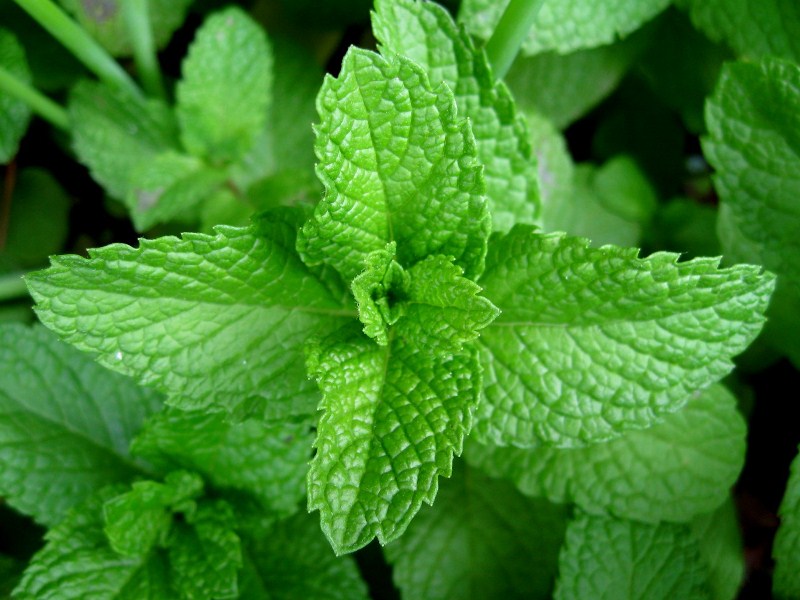
Peppermint (*Mentha x piperita*) is a well-known aromatic herb with a long history in traditional medicine, valued for its refreshing scent and therapeutic properties. While commonly found in products like toothpaste and chewing gum, its essential oil is a potent phytotherapeutic agent. However, its use requires a clear understanding of its evidence-based applications, mechanisms, and crucial safety protocols.

This guide, written from a phytotherapy specialist’s perspective, clarifies the scientifically supported uses of peppermint oil, eliminates unsubstantiated claims, and provides essential safety information to ensure responsible use.

peppermint oil uses

Evidence-Based Benefits of Peppermint Oil

Modern research has focused on several key areas where peppermint oil shows significant potential. Its primary active component, L-menthol, is responsible for most of its therapeutic effects, including its antispasmodic (muscle-relaxing) and analgesic (pain-relieving) properties.

1. Support for Irritable Bowel Syndrome (IBS) Symptoms

One of the most well-documented uses of peppermint oil is for managing the symptoms of IBS, such as abdominal pain, bloating, and gas. Indeed, its effectiveness is recognized by authoritative bodies like the European Medicines Agency (EMA).

Mechanism of Action: L-menthol acts as a natural calcium channel blocker in the smooth muscles of the intestinal wall. Consequently, this action helps relax the gut muscles, reducing the painful spasms characteristic of IBS. For this purpose, enteric-coated capsules are essential, as they prevent the oil from being released in the stomach, which could cause heartburn, and ensure it reaches the intestines where it is needed.

According to a 2019 meta-analysis published in BMC Complementary and Alternative Medicine, which reviewed 12 randomized trials, peppermint oil was found to be a safe and effective short-term treatment for improving abdominal pain and overall symptoms in adults with IBS.

2. Relief from Tension Headaches

Topical application of peppermint oil is an effective, traditional remedy for tension headaches. Furthermore, clinical studies have validated this use, showing it can be as effective as common over-the-counter pain relievers for certain types of headaches.

Mechanism of Action: When applied to the skin, menthol activates specific cold-sensitive receptors (TRPM8), creating a cooling sensation that distracts from pain. It also appears to have a muscle-relaxing effect on the forehead and temple muscles and may improve circulation to the area.

A controlled study demonstrated that a 10% peppermint oil solution in ethanol, applied to the forehead and temples, significantly reduced the intensity of tension headaches within 15 minutes.

3. Alleviating Nausea

Inhalation of peppermint oil vapor is a simple and effective way to help manage mild nausea, including post-operative nausea and motion sickness. This makes it a popular choice in both clinical and home settings.

How it Works: The aroma of peppermint is thought to act on the part of the brain that controls the sensation of nausea. Inhaling the scent can provide a quick-acting, calming effect on the stomach.

For instance, a 2021 study published in the Journal of PeriAnesthesia Nursing found that aromatherapy with peppermint oil was an effective non-pharmacological intervention for reducing nausea in post-operative patients.

4. Easing Respiratory Congestion

Menthol is a primary ingredient in many over-the-counter chest rubs and inhalants for a reason. While it doesn’t act as a true decongestant (it doesn’t clear the nasal passages), it provides significant symptomatic relief.

How it Works: Inhaling peppermint oil vapor triggers the cold receptors in the nose, creating the sensation of improved airflow. This can make breathing feel easier and help soothe an irritated throat when experiencing a common cold or sinusitis.

Administration Protocol and Safety Limits

Proper administration is critical for both the efficacy and safety of peppermint oil. Never ingest undiluted essential oil.

Application Method Dosage and Protocol Safety Notes
For IBS (Internal) Use only enteric-coated capsules. A typical dose is 0.2-0.4 mL (180-360 mg) of oil per capsule, taken 3 times daily, 30-60 minutes before meals.
Duration: Up to 4 weeks. A break of at least 2 weeks is recommended before resuming.
Do not crush or chew capsules. Not for long-term continuous use without medical supervision.
For Headaches (Topical) Dilute 2-3 drops of peppermint oil in 1 tablespoon of a carrier oil (e.g., coconut, jojoba, or almond oil). Massage gently onto temples, forehead, and back of the neck. Avoid contact with eyes. Perform a patch test first to check for skin sensitivity.
For Nausea/Congestion (Inhalation) Place 1-2 drops on a tissue or cotton ball and inhale deeply. Alternatively, add 3-5 drops to a bowl of hot water and inhale the steam (with eyes closed). Not recommended for infants or young children due to risk of respiratory distress. Use in a well-ventilated area.

Specific Biological Limitation

Relaxation of the Lower Esophageal Sphincter (LES): Peppermint oil’s muscle-relaxing effect is beneficial for the intestines but can be problematic for the esophagus. It relaxes the LES, the muscular valve between the esophagus and the stomach. This can allow stomach acid to flow back into the esophagus, causing or worsening symptoms of gastroesophageal reflux disease (GERD), such as heartburn and acid reflux. This is precisely why enteric-coated capsules are necessary for internal use for IBS, as they bypass the stomach.

Contraindications and Precautions

Despite its benefits, peppermint oil is not suitable for everyone and carries specific risks.

Absolute Contraindications (Do Not Use)

  • G6PD Deficiency: Individuals with this genetic disorder should avoid peppermint oil, as it can trigger acute hemolysis (destruction of red blood cells).
  • Severe Liver or Kidney Disease: Avoid internal use, as the body’s ability to process the oil’s components may be impaired.
  • Bile Duct Obstruction or Gallstones: Peppermint oil can stimulate bile flow, which could be dangerous in these conditions. Consult a doctor before use.

Vulnerable Populations

  • Pregnancy and Breastfeeding: Internal use is not recommended due to a lack of safety data. Topical and inhalation use should be done cautiously and under medical guidance.
  • Infants and Young Children: NEVER apply peppermint oil to the face or chest of an infant or young child. The high concentration of menthol can cause laryngospasm or bronchospasm, leading to serious breathing difficulties. Oral use is also contraindicated.

Major Drug Interactions

  • Cyclosporine: Peppermint oil may slow the breakdown of this immunosuppressant drug, potentially increasing its levels and side effects.
  • Antacids and H2 Blockers: Taking these medications at the same time as enteric-coated peppermint oil capsules can cause the coating to dissolve too early in the stomach, leading to heartburn.

Therapeutic Alternatives

If peppermint oil is not suitable for you, other evidence-based options are available.

  • For Digestive Spasms (IBS): Fennel seed (*Foeniculum vulgare*) and Ginger root (*Zingiber officinale*) are excellent carminatives and antispasmodics that can help soothe the digestive tract with a different mechanism of action and safety profile.
  • For Tension Headaches: Feverfew (*Tanacetum parthenium*) is well-studied for migraine prevention, while topical application of a gel containing White Willow Bark (*Salix alba*) extract may provide analgesic effects.
  • For Nausea: Ginger root (*Zingiber officinale*) is one of the most effective and well-researched natural anti-nausea agents, available as tea, capsules, or chews.

Recent Medical Research (2020-2026)

Recent studies continue to reinforce peppermint oil’s role, particularly in gastroenterology.

  • A 2021 systematic review published in Complementary Therapies in Medicine confirmed that enteric-coated peppermint oil is effective in improving global symptoms and abdominal pain in adults with IBS.
  • Research is also exploring the antimicrobial properties of peppermint oil against certain pathogens, though this is still in the preliminary stages and does not support its use for treating infections like UTIs.

Current Limitations: While short-term use for IBS is well-supported, more research is needed on the long-term safety and efficacy of peppermint oil. Additionally, the quality and concentration of essential oils can vary significantly between brands, affecting outcomes.

Specialist’s Summary

Peppermint oil is a useful phytotherapeutic agent, primarily validated for managing symptoms of IBS (using enteric-coated capsules) and tension headaches (topical application). Its effects are noticeable relatively quickly. However, it is strongly contraindicated for infants, young children, and individuals with GERD or G6PD deficiency. Validated alternatives include ginger for nausea and digestion, and feverfew for headaches.

Frequently Asked Questions

1. Can I drink peppermint oil in water for indigestion?

No. Ingesting undiluted peppermint essential oil is not recommended. It can irritate the mucous membranes of the mouth, esophagus, and stomach, and is likely to cause severe heartburn. For digestive issues like IBS, only use commercially prepared enteric-coated capsules designed to dissolve in the intestines.

2. Is peppermint oil safe to use on the skin?

It can be safe for most adults when properly diluted. Never apply undiluted essential oil directly to the skin, as it can cause irritation, redness, or burns. Always mix it with a carrier oil (like coconut or jojoba oil) at a concentration of 1-2% (about 6-12 drops per ounce of carrier oil) and perform a patch test on a small area of skin first.

3. Can peppermint oil cure a urinary tract infection (UTI)?

Absolutely not. This is a dangerous misconception. There is no scientific evidence that peppermint oil can treat a UTI. A UTI is a bacterial infection that requires proper medical diagnosis and treatment with antibiotics. Attempting to treat it with peppermint oil can lead to a more severe kidney infection.

4. Is peppermint oil safe for children?

Extreme caution is required. It is unsafe for infants and young children, especially when applied near the face, as it can cause life-threatening breathing problems. For older children, any use (topical or inhalation) should be heavily diluted and discussed with a pediatrician or qualified healthcare provider first.

Sources and References

Recent Studies (2020-2026):

  1. Ingraham, P., & Billingsley, S. (2021). The Efficacy of Peppermint Oil in the Treatment of Nausea and Vomiting in the Postoperative Patient. Journal of PeriAnesthesia Nursing.
  2. Alammar, N., et al. (2019). The impact of peppermint oil on the irritable bowel syndrome: a meta-analysis of the pooled clinical data. BMC Complementary and Alternative Medicine.

Official Monographs:

⚠️ Important Medical Information

This article is for educational and informational purposes only and is not intended as medical advice, diagnosis, or treatment. The information provided about Peppermint Oil is based on traditional use, preliminary research, and available scientific evidence, which may be limited.

Before using Peppermint Oil:

  • Consult a qualified healthcare provider, especially if you are pregnant, breastfeeding, taking medications, or have existing health conditions like GERD or gallstones.
  • Do not use as a substitute for prescribed medications or professional medical treatment, especially for infections.
  • Individual results may vary – what works for one person may not work for another.
  • Monitor for adverse reactions and discontinue use if negative symptoms occur.


Read more about:

If you like it, share it

[mashshare]

Post comment

Your email address will not be published. Required fields are marked *.