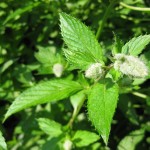
A Phytotherapeutic Approach to Bloating: The Roles of Peppermint, Anise, and Pumpkin

by Andreea Smiterson
0 comments
A+A-
Reset

Bloating, characterized by a sensation of tightness and fullness in the abdomen, often results from gas accumulation in the intestines. This discomfort can be accompanied by symptoms such as cramping, belching, and changes in bowel habits. Common underlying causes include constipation, Irritable Bowel Syndrome (IBS), peptic ulcers, and dietary factors. While persistent or severe bloating requires medical evaluation, certain phytotherapeutic and dietary strategies may help manage mild, occasional symptoms by supporting normal digestive function and facilitating the passage of gas.

Peppermint, Pumpkin and Anise for Bloating

This article explores the evidence-based use of peppermint, anise, and pumpkin for digestive support, emphasizing safe and effective administration protocols.

Peppermint (Mentha piperita) for Spasmodic Discomfort

Peppermint is a well-researched herb for digestive complaints. Its primary active compound, menthol, exerts an antispasmodic effect on the smooth muscles of the gastrointestinal tract. Consequently, this action can help alleviate the cramping and trapped gas associated with bloating, particularly in the context of IBS.

Administration Protocol and Safety Limits

The method of administration is crucial for both efficacy and safety. Peppermint can be consumed as a tea for mild symptoms or in enteric-coated capsules for more targeted delivery to the intestines.

Form Dosage and Instructions
Peppermint Tea
  • Dose: 1 teaspoon of dried leaves (or 1 tea bag) per 200-250 ml of boiling water.
  • Frequency: 1-2 cups per day, between meals.
  • Duration: Up to 14 consecutive days, followed by a 7-day break.
  • Maximum Dose: Do not exceed 3 cups daily.
Enteric-Coated Capsules
  • Dose: Follow product instructions, typically 0.2-0.4 mL of peppermint oil per capsule.
  • Frequency: 1-2 capsules, up to 3 times daily.
  • Timing: Take 30-60 minutes before meals on an empty stomach.
  • Duration: Use for up to 4 weeks, then consult a healthcare provider.

Specific Biological Limitation

Peppermint’s muscle-relaxing properties are not limited to the intestines. The menthol in peppermint can also relax the lower esophageal sphincter (LES), the muscular valve that separates the esophagus from the stomach. For individuals with Gastroesophageal Reflux Disease (GERD) or a hiatal hernia, this relaxation can allow stomach acid to flow back into the esophagus, potentially worsening heartburn and reflux symptoms. Enteric-coated capsules are designed to bypass the stomach and release the oil in the intestines, which significantly reduces this risk.

Contraindications and Precautions

  • Absolute Contraindications: Individuals with severe pre-existing liver or kidney disease, or an obstruction of the bile ducts, should avoid peppermint oil.
  • Vulnerable Populations:
    • Pregnancy and Breastfeeding: While peppermint tea is generally considered safe in moderation, concentrated peppermint oil should be avoided due to a lack of safety data.
    • Children: Not recommended for infants or young children, as menthol can cause breathing difficulties in rare cases.
  • Major Drug Interactions: Peppermint oil may slow the breakdown of certain drugs metabolized by the liver (e.g., cyclosporine, some blood pressure medications). Therefore, consult a pharmacist or doctor if you are taking prescription medications.
  • Documented Adverse Effects: Heartburn, perianal burning (with capsules), and allergic reactions (rare).

Anise (Pimpinella anisum) for Gas and Bloating

Anise is a traditional carminative, meaning it helps prevent the formation of gas in the gastrointestinal tract and facilitates its expulsion. Its active compound, anethole, has mild antispasmodic properties that can relax the digestive tract, further contributing to relief from bloating.

⚠️ WARNING – Use with Caution in Infants!

Anise tea should never be given to infants. Cases of toxicity have been reported, leading to serious neurological symptoms such as seizures and rapid eye movements. Always consult a pediatrician before using any herbal product for a child.

Administration Protocol and Safety Limits

Anise is most commonly and safely consumed as a tea made from the seeds.

  • Treatment Duration: Use for up to 7-10 consecutive days.
  • Mandatory Break: A break of at least 7 days is recommended between treatment cycles.
  • Maximum Daily Dose: 1-3 grams of crushed anise seeds per day for a healthy adult.
  • Dose per Administration: Prepare a tea using 1 teaspoon (approx. 1 gram) of lightly crushed anise seeds per 250 ml of boiling water. Steep for 10-15 minutes.
  • Frequency: Drink one cup 2-3 times per day, preferably after meals.
  • Overdose Risk: Exceeding the recommended dose is not advised, as high concentrations of anethole can have adverse effects.

Specific Biological Limitation

Anethole, the primary component of anise, has weak estrogen-like activity. This phytoestrogenic effect means it can mimic the hormone estrogen in the body. While this is not a concern for most people at typical dietary doses, it becomes a significant risk for individuals with hormone-sensitive conditions, such as estrogen-receptor-positive breast cancer, uterine fibroids, or endometriosis. In these cases, anise could theoretically stimulate the growth of hormone-dependent cells.

Contraindications and Precautions

  • Absolute Contraindications: Known allergy to anise or other plants in the Apiaceae family (e.g., fennel, celery, dill). Individuals with hormone-sensitive cancers.
  • Vulnerable Populations:
    • Pregnancy and Breastfeeding: Avoid therapeutic doses due to hormonal effects and lack of safety data.
    • Children: Forbidden for infants. Use with caution and under medical supervision in older children.
  • Major Drug Interactions: May interact with anticoagulant medications (e.g., warfarin) and birth control pills. Consult a healthcare provider before use.

Pumpkin (Cucurbita pepo) as a Dietary Support

Unlike peppermint and anise, which are used as targeted remedies, pumpkin is best incorporated as a regular part of a diet aimed at preventing bloating. Its benefits stem from its nutritional composition rather than potent pharmacological action.

  • High in Fiber: Pumpkin is an excellent source of dietary fiber, which promotes regular bowel movements and helps prevent constipation—a primary cause of bloating.
  • Rich in Potassium: This essential mineral helps regulate fluid balance in the body. Consuming potassium-rich foods like pumpkin can help counteract the bloating effects of high-sodium meals by encouraging the excretion of excess sodium and water.

To leverage these benefits, incorporate steamed, baked, or broiled pumpkin into your meals. Avoid preparations with excessive sugar or fat, which can negate its digestive advantages.

Therapeutic Alternatives

If peppermint or anise are not suitable for you, other validated options exist for managing bloating:

  • Botanical Alternatives:
    1. Fennel (Foeniculum vulgare): Similar to anise, fennel seeds are a powerful carminative and antispasmodic. Fennel tea is a classic remedy for gas and indigestion.
    2. Ginger (Zingiber officinale): Ginger helps stimulate digestion and accelerates gastric emptying, which can prevent food from sitting too long in the stomach and fermenting.
  • Pharmacological Option:
    • Simethicone: This is an over-the-counter medication that works by breaking up gas bubbles in the gut, making them easier to pass. It is generally considered safe and is not absorbed into the bloodstream.

Note: Each alternative has its own set of contraindications and should be used responsibly.

Recent Medical Research (2020-2026)

Modern science continues to validate the traditional uses of these botanicals, particularly peppermint.

  • A 2019 meta-analysis published in BMC Complementary and Alternative Medicine confirmed that peppermint oil is a safe and effective short-term treatment for symptoms of Irritable Bowel Syndrome, including abdominal pain and bloating.
  • Research into anise continues to explore its antimicrobial and antispasmodic effects. A 2022 review highlighted the potential of its essential oil in managing functional dyspepsia, a condition that often involves bloating.

Current Limitations: While traditional use is strong, large-scale, long-term clinical trials on anise for bloating are still needed to establish standardized dosing and confirm its efficacy compared to modern treatments.

Specialist’s Summary

Peppermint is a useful, evidence-backed option for bloating associated with intestinal spasms, with enteric-coated capsules being most effective for IBS. Anise serves as a gentle carminative for expelling gas but is contraindicated in hormone-sensitive conditions and for infants. Pumpkin is a valuable dietary tool for long-term prevention through its fiber and potassium content. Always respect safety protocols and consult a healthcare professional for persistent symptoms.

Frequently Asked Questions

Can peppermint tea worsen my acid reflux?
Yes, it can. Peppermint relaxes the sphincter that keeps stomach acid from entering the esophagus. If you have GERD or frequent heartburn, it is best to avoid peppermint tea or opt for enteric-coated peppermint oil capsules, which are designed to bypass the stomach.

How quickly do these remedies work for bloating?
Peppermint or anise tea may offer relief from acute gas and mild cramping within 30-60 minutes. Dietary changes with pumpkin provide a preventative benefit that builds over days or weeks. For chronic conditions like IBS, consistent use of enteric-coated peppermint oil may take 1-2 weeks to show significant improvement.

Is it safe to combine peppermint and anise tea?
For a healthy adult without contraindications, combining these two herbs in moderation is generally considered safe. They have complementary actions. However, it is always best to start with one herb to see how your body reacts before combining them.

Sources and References

  1. Khanna, R., MacDonald, J. K., & Levesque, B. G. (2014). Peppermint oil for the treatment of irritable bowel syndrome: a systematic review and meta-analysis. Journal of clinical gastroenterology, 48(6), 505–512.
  2. Shokri, O., et al. (2022). A comprehensive review on the traditional use, phytochemistry, and pharmacological properties of Pimpinella anisum L. Journal of Ethnopharmacology.
  3. European Medicines Agency (EMA). (2019). Community herbal monograph on Mentha x piperita L., aetheroleum.


You may also like

Leave a Comment