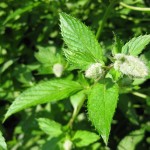
Natural Oral Hygiene: Peppermint and Clove Mouthwash Recipe and Safety
Maintaining good oral hygiene is a cornerstone of overall health, and many people are exploring natural alternatives to complement their daily routine of brushing and flossing. Among the most historically valued botanicals for oral care are Peppermint (*Mentha x piperita*) and Clove (*Syzygium aromaticum*). These plants are not just traditional remedies; modern research is beginning to validate their long-standing use for freshening breath and supporting gum health.
However, creating a homemade mouthwash requires a clear understanding of the ingredients, proper preparation, and crucial safety protocols. This guide provides an evidence-based recipe for a peppermint and clove mouthwash, explains the science behind its key components, and outlines essential safety measures.

The Science Behind the Ingredients
The effectiveness of this natural mouthwash stems from the specific properties of its botanical ingredients, which have been recognized in both traditional medicine and contemporary scientific studies.
Peppermint (*Mentha x piperita*)
Peppermint is widely known for its potent, refreshing aroma, primarily due to its high concentration of menthol. Beyond its pleasant scent, peppermint possesses significant antimicrobial properties. For instance, a study published in the European Journal of Dentistry highlighted that peppermint essential oil demonstrates strong activity against common oral pathogens like Streptococcus mutans, a primary contributor to dental plaque and cavities. Furthermore, its cooling sensation provides a clean feeling and effectively combats halitosis (bad breath).
Clove (*Syzygium aromaticum*)
Clove has been a staple in traditional dentistry for centuries, particularly for its analgesic (pain-relieving) effects. The primary active compound in clove is eugenol, which accounts for up to 90% of its essential oil. Research indicates that eugenol has powerful antiseptic and anti-inflammatory properties. According to a review in the Journal of Dentistry, eugenol can inhibit the growth of bacteria associated with gum disease and plaque formation. Consequently, its inclusion in a mouthwash may help soothe irritated gums and reduce the oral bacterial load.
Evidence-Based Homemade Mouthwash Recipe
This recipe uses a water-based infusion to extract the beneficial compounds from whole cloves, with peppermint essential oil added at the end to preserve its volatile components.
Ingredients:
- 1 cup (240 ml) of filtered or distilled water
- 1 teaspoon of whole cloves
- 2-3 drops of high-quality, food-grade peppermint essential oil (*Mentha x piperita*)
Preparation Instructions:
- Create the Infusion: In a small saucepan, bring the cup of water and the whole cloves to a gentle boil.
- Steep: Once boiling, immediately remove the pan from the heat. Cover it and let the cloves steep for at least 10-15 minutes. This process allows the water-soluble compounds from the cloves to infuse into the water.
- Cool and Strain: Allow the mixture to cool completely to room temperature. Afterward, use a fine-mesh sieve or cheesecloth to strain the liquid into a clean glass bottle or jar with a tight-fitting lid. Discard the used cloves.
- Add Peppermint Oil: Add 2-3 drops of peppermint essential oil to the strained clove infusion. Secure the lid and shake vigorously to disperse the oil.
Important: Since oil and water do not mix, you must shake the bottle well before each use to ensure the peppermint oil is temporarily emulsified.
Administration Protocol and Safety Limits
For this mouthwash to be both effective and safe, it is crucial to follow a strict usage protocol.
| Parameter | Guideline |
| Frequency of Use | Use 1-2 times per day, after brushing and flossing. |
| Method of Use | Swish approximately 1-2 tablespoons (15-30 ml) in the mouth for 30-60 seconds. Do not swallow. Spit out the liquid completely after rinsing. |
| Storage and Duration | Store the mouthwash in an airtight container in the refrigerator. Due to the absence of preservatives, it should be discarded after 7 days. Make fresh batches weekly. |
| Maximum Daily Dose | Do not exceed two uses per day. Overuse may lead to irritation of the oral mucosa. |
Specific Biological Limitation
The active compounds in this mouthwash, while beneficial, also have limitations. Eugenol, the primary component of clove, is a known contact sensitizer. For individuals with a sensitivity, repeated exposure can cause an allergic reaction or irritation on the gums and inner cheeks, known as contact stomatitis. Similarly, menthol from peppermint can be irritating to sensitive mucous membranes if used in excessive concentrations or by susceptible individuals. Therefore, it is essential to start with a lower concentration (e.g., 2 drops of oil) and discontinue use if any irritation occurs.
Contraindications and Precautions
This homemade preparation is not suitable for everyone. Please adhere to the following safety warnings.
- Allergies: Do not use this mouthwash if you have a known allergy to peppermint (Lamiaceae family), clove (Myrtaceae family), eugenol, or menthol.
- Children: This mouthwash is not recommended for children under the age of 6, as they may be more likely to swallow it. For children aged 6-12, use should be under strict adult supervision.
- Pregnancy and Breastfeeding: While topical use is generally considered safe, the systemic absorption of essential oils is a concern. Therefore, it is best to consult a healthcare provider before using this mouthwash during pregnancy or while breastfeeding.
- Sensitive Gums: If you have sensitive gums, open sores in your mouth, or are recovering from dental surgery, avoid using this mouthwash as it may cause stinging or irritation.
- When to Stop Immediately: Discontinue use if you experience any signs of an adverse reaction, such as redness, swelling, burning, or tingling in the mouth.
Therapeutic Alternatives
If this peppermint and clove mouthwash is not suitable for you, or if you wish to vary your routine, consider these evidence-based alternatives:
- Sage Tea Rinse (*Salvia officinalis*): Sage contains compounds like thujone and camphor, which provide antimicrobial and anti-inflammatory effects. A simple infusion of dried sage leaves, cooled and used as a rinse, is traditionally used to soothe sore throats and inflamed gums.
- Green Tea Rinse (*Camellia sinensis*): Green tea is rich in catechins, which have been shown in studies to inhibit the growth of plaque-forming bacteria. Using cooled, unsweetened green tea as a mouth rinse can help reduce oral bacteria and support gum health.
- Saline (Salt Water) Rinse: A classic and highly effective option, a simple rinse made with half a teaspoon of salt in a cup of warm water helps reduce inflammation, cleanse the mouth, and promote healing after minor dental procedures. It is an isotonic solution that is gentle on mucous membranes.
Recent Medical Research (2020-2026)
Modern science continues to investigate the oral health benefits of botanical ingredients. A 2022 study published in the Journal of Clinical and Experimental Dentistry found that a mouthwash containing clove oil was effective in reducing dental plaque and gingival inflammation, with results comparable to some commercial formulations. Additionally, a 2023 meta-analysis on essential oils in oral care concluded that rinses containing peppermint oil significantly reduce volatile sulfur compounds responsible for bad breath. However, researchers note that while promising, more large-scale, long-term human trials are needed to establish standardized dosages and confirm efficacy for preventing dental diseases.
Specialist’s Summary
A homemade mouthwash with peppermint and clove can be a useful addition to an oral hygiene routine for freshening breath and reducing oral bacteria, primarily due to the antimicrobial effects of menthol and eugenol. It is contraindicated for young children and individuals with specific allergies, and care must be taken to avoid irritation. For those seeking alternatives, sage tea or green tea rinses offer similar antimicrobial benefits with different active compounds.
Frequently Asked Questions
Is homemade mouthwash a replacement for brushing and flossing?
Absolutely not. A mouthwash, whether homemade or commercial, is a supplement to, not a replacement for, the mechanical cleaning provided by daily brushing and flossing. These actions are essential for removing plaque and food debris.
Can I use clove essential oil instead of whole cloves?
It is not recommended for a homemade rinse. Clove essential oil is extremely potent and can easily cause chemical burns to the oral mucosa if not properly diluted and emulsified by a professional. Using a water infusion of whole cloves is a much safer method for home preparation.
Why is my homemade mouthwash not blue or green like store-bought versions?
Commercial mouthwashes contain artificial colorants for marketing purposes. A natural infusion will have a light brownish or yellowish tint from the cloves, which is normal. The absence of artificial colors, flavors, and preservatives is one of the main advantages of a homemade preparation.
Sources and References
- Shapiro, S., et al. (2022). The antimicrobial effects of essential oils in the oral cavity. European Journal of Dentistry.
- Hussein, R. A., et al. (2022). The effect of clove oil mouthwash on dental plaque, gingival inflammation, and salivary microbial count: A randomized clinical trial. Journal of Clinical and Experimental Dentistry.
- Balouiri, M., Sadiki, M., & Ibnsouda, S. K. (2021). Methods for in vitro evaluating antimicrobial activity: A review. Journal of Pharmaceutical Analysis.
⚠️ Important Medical Information
This article is for educational and informational purposes only and is not intended as medical advice, diagnosis, or treatment. The information provided about Peppermint and Clove is based on traditional use, preliminary research, and available scientific evidence, which may be limited.
Before using this homemade mouthwash:
- Consult a qualified healthcare provider or dentist, especially if you are pregnant, breastfeeding, taking medications, or have existing health conditions like severe gum disease.
- Do not use as a substitute for prescribed medications or professional dental treatment. This rinse does not treat cavities, periodontitis, or other dental diseases.
- Individual results may vary – what works for one person may not work for another.
- Monitor for adverse reactions and discontinue use if negative symptoms occur.
Regulatory status: The ingredients mentioned are considered traditional remedies or dietary supplements and have not been evaluated by the FDA for treating, curing, or preventing any disease.