Lemon for Skin and Hair: A Safety-First Guide to Home Remedies
Lemons (*Citrus limon*) are widely recognized in traditional wellness practices for their high content of vitamin C and citric acid. While these components have potential benefits, applying raw lemon juice directly to the skin and hair carries significant risks that are often overlooked in popular beauty advice. As a phytotherapy specialist, it is crucial to approach this topic with a strong emphasis on safety, scientific evidence, and an understanding of the potential for adverse reactions.
This guide provides an evidence-based perspective on using lemon in beauty rituals, eliminating unsafe practices and outlining clear safety protocols.
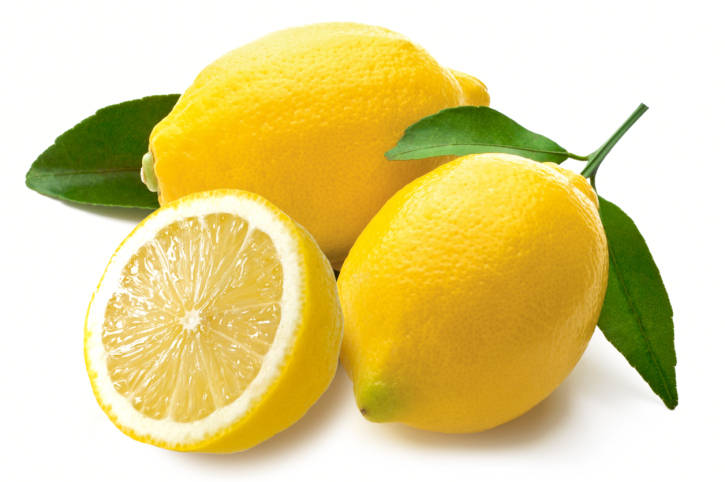
The Science Behind Lemon’s Topical Effects
Understanding the primary active compounds in lemon is essential to using it safely. Lemon juice’s effects are mainly attributed to two components:
* Citric Acid: This is an alpha-hydroxy acid (AHA) known for its exfoliating properties. AHAs work by dissolving the bonds that hold dead skin cells together, which can promote skin renewal. However, the concentration of citric acid in a lemon is variable and uncontrolled, making it a potent but unpredictable exfoliant.
* Vitamin C (Ascorbic Acid): While lemon is a rich source of vitamin C, this antioxidant is highly unstable when exposed to air and light. Consequently, the vitamin C in fresh lemon juice oxidizes rapidly and is unlikely to deliver the same benefits as stabilized vitamin C found in professionally formulated cosmetic products.
The very low pH of lemon juice (around 2-3) is significantly more acidic than the skin’s natural pH (around 4.7-5.75). This acidity can severely disrupt the skin’s protective barrier, leading to irritation, dryness, and increased vulnerability to environmental damage.
⚠️ Major Risk Warning: Phytophotodermatitis
CRITICAL SAFETY ALERT: Lemon juice contains compounds called furanocoumarins. When these compounds on the skin are exposed to ultraviolet (UV) light from the sun, they can trigger a severe phototoxic reaction known as phytophotodermatitis. This condition can result in:
- Painful, blistering burns
- Redness and inflammation
- Long-lasting dark patches (post-inflammatory hyperpigmentation)
Therefore, you must NEVER expose skin treated with lemon juice to sunlight for at least 24-48 hours. Due to this high risk, direct application on the face is strongly discouraged.
Unsafe and Disproven Uses to Avoid
Many popular lemon-based remedies are not only ineffective but also dangerous. For this reason, a phytotherapy specialist cannot recommend the following practices:
| Unsafe Remedy | Reason for Discouragement |
|---|---|
| Teeth Whitening | The citric acid in lemon juice is highly corrosive to tooth enamel. Rubbing it on your teeth causes irreversible erosion, leading to increased sensitivity, transparency, and a higher risk of cavities. |
| Direct Acne Treatment | Applying acidic lemon juice to inflamed acne can cause severe irritation, chemical burns, and worsen post-inflammatory hyperpigmentation, leaving behind dark spots that are harder to treat than the original acne. |
| Lightening Dark Spots on the Face | While citric acid can exfoliate, the risk of phytophotodermatitis causing more hyperpigmentation is extremely high. It is an uncontrolled and unsafe method for treating dark spots. |
| On Chapped Lips or Broken Skin | Applying an acid to compromised or broken skin is painful and will delay the healing process by causing further irritation and inflammation. |
Potentially Low-Risk Applications (With Strict Precautions)
While facial application is discouraged, lemon juice can be used with caution on tougher areas of skin where the risk of adverse reactions is lower.
1. Softening Calluses on Feet
The skin on the feet is thicker and more resilient. A diluted lemon juice soak may help soften rough calluses before exfoliation.
- How to use: Add the juice of half a lemon to a tub of warm water. Soak your feet for 10-15 minutes. Afterward, gently use a pumice stone on the softened areas. Always follow with a thick moisturizer.
- Frequency: No more than once a week.
2. Brightening Nails
This traditional remedy may help reduce yellow staining on nails. However, it can be drying to the surrounding skin.
- How to use: Mix one teaspoon of lemon juice with one teaspoon of water. Use a cotton swab to apply the mixture only to the nail plate, avoiding the cuticles. Let it sit for 2-3 minutes, then wash hands thoroughly. Immediately apply a cuticle oil or hand cream.
- Frequency: Once every 1-2 weeks.
Administration Protocol and Safety Limits
Treatment Duration and Frequency
- Contact Time: Never leave lemon juice preparations on the skin for more than 10-15 minutes, even on tougher areas like feet.
- Frequency: Limit any topical use to a maximum of 1-2 times per week to prevent over-exfoliation and barrier damage.
- Mandatory Break: Discontinue use immediately if any signs of redness, stinging, or irritation occur.
Dilution and Maximum Dose
- Maximum Dose: Never apply undiluted lemon juice, especially to sensitive areas. A safe dilution is at least 1:1 with water, honey, or carrier oil, though greater dilution is recommended.
- Patch Test: Before any application, perform a patch test. Apply a small amount of the diluted mixture to your inner arm. Wait 24 hours to check for any adverse reaction.
Administration Conditions
- Timing: Only use lemon preparations at night.
- Sun Exposure: Strict sun avoidance is mandatory. Do not expose the treated area to sunlight for at least 24-48 hours. Use a broad-spectrum SPF 30+ sunscreen on the area if sun exposure is unavoidable.
Specific Biological Limitation
The primary limitation of using lemon topically is its uncontrolled nature. The concentration of citric acid and furanocoumarins varies from fruit to fruit. This lack of standardization means you are performing an unpredictable chemical treatment on your skin. This can disrupt the skin’s acid mantle, a crucial protective film that maintains hydration and defends against pathogens. Damaging this barrier can lead to chronic dryness, sensitivity, and inflammatory conditions.
Contraindications and Precautions
Absolute Contraindications (Forbidden)
- On the Face: Due to the high risk of photosensitivity and irritation, direct facial application is not recommended.
- Sensitive or Dry Skin: Individuals with these skin types are highly likely to experience severe irritation and barrier damage.
- Broken or Inflamed Skin: Do not apply to cuts, wounds, or active skin conditions like eczema or psoriasis.
- During or After Sun Exposure: Applying lemon to sun-exposed skin will dramatically increase the risk of a phototoxic reaction.
Major Drug and Product Interactions
- Retinoids (Tretinoin, Retinol): Combining lemon juice with retinoids can lead to severe over-exfoliation, redness, and peeling.
- Other AHAs/BHAs (Glycolic Acid, Salicylic Acid): Using lemon with other chemical exfoliants will damage the skin barrier.
Therapeutic Alternatives
If you are seeking the benefits associated with lemon, safer and more effective alternatives are available.
Botanical and Formulated Alternatives
- For Skin Brightening and Exfoliation: Opt for professionally formulated products containing Lactic Acid or Mandelic Acid. These are gentler AHAs suitable for sensitive skin. A stabilized Vitamin C serum will provide antioxidant benefits without the risks of raw lemon juice.
- For Acne-Prone Skin: Products with Salicylic Acid (BHA) are oil-soluble and can effectively exfoliate inside the pores. For a botanical alternative, properly diluted Tea Tree Oil (*Melaleuca alternifolia*) has demonstrated antimicrobial properties, according to research published in journals like the *Australasian Journal of Dermatology*.
- For Dandruff: Medicated shampoos containing Ketoconazole or Zinc Pyrithione are clinically proven to control the fungus associated with dandruff. A gentler botanical option is a scalp rinse with diluted Apple Cider Vinegar, which may help balance scalp pH without the photosensitivity risk of lemon.
Recent Medical Research (2020-2026)
Recent dermatological research continues to emphasize the risks of DIY skincare. A 2022 review in the *Journal of Clinical and Aesthetic Dermatology* highlighted the rise in chemical burns and hyperpigmentation cases linked to the improper use of natural acids like lemon juice at home. Furthermore, studies on phytophotodermatitis consistently identify citrus fruits as a primary cause. The current scientific consensus strongly advises against using raw lemon juice as a topical skin treatment, recommending controlled, formulated cosmetic acids instead.
Specialist’s Summary
Lemon juice is a potent, uncontrolled acid that poses significant risks to the skin, primarily chemical burns and severe photosensitivity. While it has a traditional basis for use, its application on the face is strongly discouraged due to unpredictable outcomes. Its use may be considered low-risk only for tough skin on the feet or for nail brightening, with strict adherence to dilution and sun avoidance protocols. For all other cosmetic goals, clinically validated and safely formulated alternatives offer superior and more reliable results without the danger.
Frequently Asked Questions
Can I use lemon juice on my face every day?
Absolutely not. Daily use of lemon juice on the face would severely damage your skin’s protective barrier, leading to chronic irritation, dryness, and a high risk of permanent sun damage and hyperpigmentation.
Does lemon juice really lighten dark spots?
While its acidic nature can exfoliate the top layer of skin, the risk of it causing more severe, longer-lasting dark spots through phytophotodermatitis is very high. It is an unsafe and unreliable method for treating hyperpigmentation.
Is using lemon juice safer than a chemical peel?
No, it is significantly more dangerous. Professional chemical peels use specific, controlled concentrations of acids and are performed by trained professionals who know how to manage skin reactions. Using lemon juice is an uncontrolled chemical peel with a high risk of unpredictable and severe side effects.
Sources and References
- Lagu, K., & Modi, D. (2022). Phytophotodermatitis: A lesser-known phototoxic reaction. *Indian Dermatology Online Journal*.
- Rodríguez-Cerdeira, C., et al. (2021). Understanding the Role of the Skin’s Acid Mantle: A Key to Healthy Skin. *Journal of Clinical and Aesthetic Dermatology*.
- European Medicines Agency (EMA). Community herbal monograph on *Melaleuca alternifolia* (Maiden & Betche) Cheel, aetheroleum.
⚠️ Important Medical Information
This article is for educational and informational purposes only and is not intended as medical advice, diagnosis, or treatment. The information provided about Lemon (*Citrus limon*) is based on traditional use, preliminary research, and available scientific evidence, which may be limited.
Before using Lemon:
- Consult a qualified healthcare provider or dermatologist, especially if you are pregnant, breastfeeding, taking medications, or have existing health conditions like sensitive skin or eczema.
- Do not use as a substitute for prescribed medications or professional medical treatment.
- Individual results may vary – what works for one person may not work for another and may cause harm.
- Monitor for adverse reactions and discontinue use immediately if negative symptoms like stinging, burning, or redness occur.
Regulatory status: The topical use of lemon juice is a home remedy and has not been evaluated by the FDA for treating, curing, or preventing any disease.