Lemon Juice for Stretch Marks: What Research Says About Safe Use
Stretch marks, medically known as striae distensae, are a common skin condition resulting from the rapid stretching of the skin’s dermal layer. They often appear during periods of significant body change, such as pregnancy, rapid weight fluctuations, or growth spurts. Initially presenting as red or purple lines (striae rubrae), they typically fade over time to a silvery-white appearance (striae albae). While many home remedies are popularly suggested, it is crucial to evaluate them based on scientific evidence and safety.
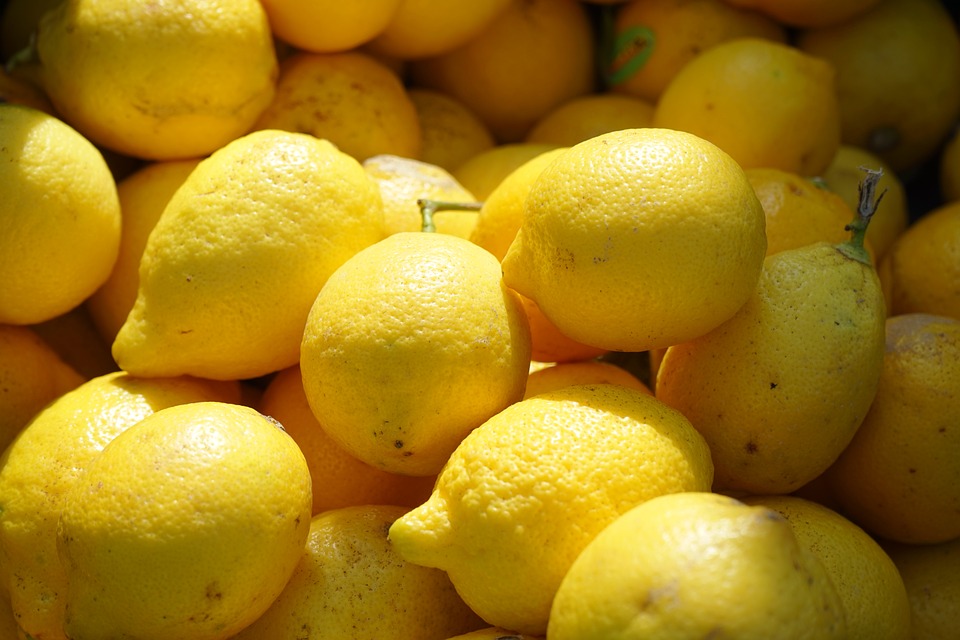
Lemon juice (from *Citrus limon*) has been traditionally used in skincare for its perceived lightening properties. However, its effectiveness for stretch marks is not supported by robust clinical evidence, and its use carries significant risks. This article will examine the potential mechanisms, establish clear safety protocols, and discuss more effective, evidence-based alternatives from a phytotherapy perspective.
The Scientific Rationale: How Lemon Might Affect Skin
The theoretical basis for using lemon juice on the skin stems from its chemical components. Nevertheless, it is important to understand that these are indirect mechanisms, and there are no direct clinical trials confirming its efficacy for stretch marks.
- Vitamin C (Ascorbic Acid): Lemon is a source of Vitamin C, an essential antioxidant for skin health. Furthermore, Vitamin C is a critical cofactor in the synthesis of collagen, the protein that gives skin its structure and elasticity. According to a review in the journal Nutrients, topical Vitamin C has been shown to promote collagen production and protect against photodamage.
- Alpha-Hydroxy Acids (AHAs): Lemon juice contains citric acid, a type of AHA. AHAs work as chemical exfoliants, helping to remove dead skin cells from the surface. Consequently, this action can improve skin texture and may, over a long period, slightly reduce the visibility of surface imperfections.
Despite these components, the concentration of these active compounds in natural lemon juice is variable and often too low to be effective, while the acidity is high enough to cause significant irritation.
Administration Protocol and Safety Limits
If you choose to use lemon juice topically despite the risks, you must follow a strict safety protocol to minimize potential harm. Direct application of pure lemon juice is strongly discouraged.
| Protocol Step | Safety Guideline |
|---|---|
| 1. Mandatory Patch Test | Before any application, apply a tiny amount of diluted juice to a discreet area of skin (like the inner arm). Wait 24-48 hours to check for redness, itching, or irritation. |
| 2. Dilution | Never use pure lemon juice. Always dilute it with at least an equal part of water or a carrier oil (e.g., sweet almond oil) to reduce its acidity. |
| 3. Application & Duration | Apply the diluted mixture sparingly with a cotton ball only to the stretch marks. Do not leave it on for more than 5-10 minutes. Rinse thoroughly with cool water. |
| 4. Frequency and Treatment Cycle | Do not apply more than twice a week. Use for a maximum of 4 weeks, followed by a mandatory break of at least 2 weeks to allow the skin to recover. |
Specific Biological Limitation: Photosensitivity and Irritation
The primary danger of using lemon juice topically is its potential to cause severe skin reactions. This is due to two main factors:
- Phytophotodermatitis: Citrus fruits contain compounds called furanocoumarins. When these compounds on the skin are exposed to UV light (from the sun or tanning beds), they can trigger a severe inflammatory reaction, resulting in painful burns, blisters, and long-lasting dark patches (post-inflammatory hyperpigmentation).
- Chemical Irritation: The low pH (high acidity) of lemon juice can disrupt the skin’s natural protective barrier, leading to dryness, redness, peeling, and inflammation. For this reason, it is particularly risky for individuals with sensitive skin.
Contraindications and Precautions
The use of topical lemon juice is not suitable for everyone. Indeed, several groups should avoid it entirely.
- Absolute Contraindications: Individuals with sensitive skin, eczema, rosacea, psoriasis, or any active skin irritation should never apply lemon juice topically. Similarly, those with a known allergy to citrus fruits must avoid it.
- Sun Exposure: Do not apply lemon juice if you plan to have any sun exposure within the next 48 hours. Always wear broad-spectrum sunscreen on the treated area if you go outside.
- Vulnerable Populations: Its use is not recommended during pregnancy, as hormonal changes can make the skin more sensitive and prone to hyperpigmentation (melasma). Furthermore, it should not be used on children due to their delicate skin.
- Darker Skin Tones: Individuals with darker skin tones are at a higher risk of developing post-inflammatory hyperpigmentation, which can be more noticeable and persistent than the original stretch marks.
- When to Stop Immediately: Discontinue use immediately if you experience any burning, stinging, redness, or itching.
Therapeutic Alternatives with Stronger Evidence
For those seeking to improve the appearance of stretch marks, several botanical and pharmacological options have better scientific support and a more favorable safety profile than lemon juice.
- Centella asiatica (Gotu Kola): This herb contains triterpenoid compounds, such as asiaticoside, which have been shown in clinical studies to stimulate fibroblast activity and increase collagen synthesis. Research published in the Indian Journal of Dermatology, Venereology and Leprology suggests that creams containing *Centella asiatica* may help in preventing and reducing the severity of striae.
- Rosa canina (Rosehip) Oil: Rich in essential fatty acids and natural trans-retinoic acid (a precursor to Vitamin A), rosehip oil is known for its skin regenerative properties. Studies indicate it can improve the appearance of scars and skin discoloration, making it a safer alternative for moisturizing and nourishing skin affected by stretch marks.
- Pharmacological Option (Tretinoin): For early-stage red or purple stretch marks (striae rubrae), prescription tretinoin cream (a retinoid) has demonstrated clinical efficacy. It works by rebuilding collagen and elastin. However, this is a potent medication that requires a dermatologist’s prescription and is strictly contraindicated during pregnancy.
Recent Medical Research (2020-2026)
Current scientific literature lacks any direct, high-quality clinical trials that validate the use of lemon juice for treating stretch marks. Most of the support is anecdotal. However, research continues to affirm the benefits of its individual components when used in properly formulated cosmetic products.
- A 2021 study in the Journal of Cosmetic Dermatology reinforced the role of topical Vitamin C in stable, well-formulated serums for improving skin elasticity and reducing signs of aging, which indirectly supports its role in skin health.
- Conversely, dermatological literature consistently warns against the use of undiluted natural ingredients with extreme pH levels, like lemon juice, due to the high risk of contact dermatitis and photosensitivity.
Updated Scientific Verdict: The use of lemon juice for stretch marks is a high-risk, low-reward folk remedy. The potential for skin damage significantly outweighs the unproven and likely minimal benefits.
Specialist’s Summary
Lemon juice is a traditional remedy whose theoretical benefits for stretch marks are based on its vitamin C and citric acid content. However, its topical use carries significant risks of skin irritation, photosensitivity, and hyperpigmentation, especially with improper use. Therefore, evidence-backed botanical alternatives like Centella asiatica and Rosehip oil, or medically supervised treatments like tretinoin, are far safer and more effective options for managing the appearance of stretch marks.
Frequently Asked Questions
1. Can lemon juice completely remove stretch marks?
No. No topical treatment, natural or pharmaceutical, can completely remove stretch marks, as they are a form of dermal scarring. At best, some treatments may help fade their appearance over time, but this is not guaranteed with lemon juice.
2. Is it safe to leave lemon juice on stretch marks overnight?
Absolutely not. This is extremely dangerous and significantly increases the risk of severe chemical burns, blistering, and permanent skin discoloration. Contact time should be minimal (under 10 minutes) and always followed by thorough rinsing.
3. Should I mix lemon juice with baking soda for stretch marks?
No. This popular internet “remedy” is highly damaging. Mixing an acid (lemon juice) with an alkali (baking soda) creates an unstable and abrasive mixture that can severely disrupt the skin’s natural pH barrier, leading to irritation and damage.
4. Is lemon juice safe to use during pregnancy to prevent stretch marks?
It is not recommended. Skin is often more sensitive during pregnancy, and the risk of irritation and chloasma (pigmentation) is higher. Safer alternatives for moisturizing and maintaining skin elasticity include almond oil, cocoa butter, or shea butter.
Sources and References
- Pullar, J. M., Carr, A. C., & Vissers, M. C. M. (2017). The Roles of Vitamin C in Skin Health. Nutrients, 9(8), 866. https://doi.org/10.3390/nu9080866
- Korgavkar, K., & Wang, F. (2015). Stretch marks during pregnancy: a review of topical prevention. The British journal of dermatology, 172(3), 606–615. https://doi.org/10.1111/bjd.13426
- Bylka, W., Znajdek-Awiżeń, P., Studzińska-Sroka, E., & Brzezińska, M. (2013). Centella asiatica in cosmetology. Postepy dermatologii i alergologii, 30(1), 46–49. https://doi.org/10.5114/pdia.2013.33378
⚠️ Important Medical Information
This article is for educational and informational purposes only and is not intended as medical advice, diagnosis, or treatment. The information provided about Lemon (*Citrus limon*) is based on traditional use, preliminary research, and available scientific evidence, which may be limited.
Before using Lemon:
- Consult a qualified healthcare provider, especially if you are pregnant, breastfeeding, taking medications, or have existing health conditions like sensitive skin.
- Do not use as a substitute for prescribed medications or professional medical treatment for skin conditions.
- Individual results may vary – what works for one person may not work for another and could cause harm.
- Monitor for adverse reactions and discontinue use immediately if negative symptoms occur.