Evidence-Based Benefits of Peppermint Tea and Safety Guidelines

by Andreea Smiterson
0 comments
A+A-
Reset

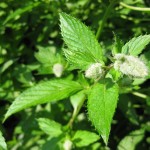
Peppermint (*Mentha x piperita*) tea is a popular herbal infusion appreciated not only for its refreshing flavor but also for its potential therapeutic properties. For centuries, traditional medicine has utilized peppermint to address various health concerns, particularly digestive discomfort. Modern research has begun to validate some of these traditional uses, attributing many of its benefits to its primary active compound, menthol. However, while peppermint tea can be a valuable addition to a wellness routine, it is crucial to understand its proper application, limitations, and safety protocols.

Top Health Benefits of Peppermint Tea

⚠️ **WARNING – Risk for Individuals with Acid Reflux!**
> *Peppermint can relax the lower esophageal sphincter (LES), the muscle valve between the esophagus and stomach. For individuals with gastroesophageal reflux disease (GERD) or a hiatal hernia, this relaxation can worsen symptoms by allowing stomach acid to flow back into the esophagus, causing or intensifying heartburn.*

Key Health Benefits of Peppermint Tea

Scientific evidence and traditional use support several key benefits of consuming peppermint tea. These are primarily related to its effects on the digestive and nervous systems.

Supports Digestive Comfort

One of the most well-documented benefits of peppermint is its ability to soothe the digestive tract. The menthol in peppermint has antispasmodic properties, meaning it helps relax the smooth muscles of the gastrointestinal system. Consequently, this action can alleviate symptoms such as bloating, gas, and intestinal cramps. For this reason, many cultures traditionally serve peppermint tea after meals to aid digestion and promote healthy bile flow, which is essential for fat digestion.

May Alleviate Symptoms of Irritable Bowel Syndrome (IBS)

Building on its digestive benefits, peppermint is particularly noted for its potential to help manage symptoms of IBS. Research, primarily on peppermint oil in enteric-coated capsules, has shown significant improvement in abdominal pain and discomfort for IBS patients. While peppermint tea is less concentrated, its regular consumption may offer a milder, supportive effect by reducing the muscle spasms characteristic of the condition.

Helps Relieve Tension Headaches

Menthol acts as a mild muscle relaxant and analgesic. When consumed as a tea, it can help ease tension headaches, which are often caused by stress and tight muscles in the neck and scalp. Furthermore, the aroma of peppermint itself has a calming and cooling effect that can contribute to headache relief. Inhaling the steam from a hot cup of peppermint tea may also help clear sinuses, a common contributor to headache pressure.

Provides Respiratory Symptom Relief

During cold and flu season, peppermint tea can be a comforting beverage. Menthol is a natural decongestant that helps break up phlegm and mucus, making it easier to expel. In addition, its mild anti-inflammatory and soothing properties can help calm a sore throat. While it does not cure the underlying infection, it effectively supports the body by managing these uncomfortable symptoms.

Administration Protocol and Safety Limits

To maximize benefits and minimize risks, it is essential to adhere to a structured administration protocol.

Protocol Aspect Guideline
Treatment Duration For daily therapeutic use, consume for a maximum of 3 weeks.
Mandatory Break Take a mandatory break of at least 7-10 days between treatment cycles.
Maximum Daily Dose Do not exceed 3-4 cups (approximately 750-1000 mL) per day for a healthy adult.
Administration Details Consume after meals to aid digestion. Avoid drinking on a completely empty stomach if you are prone to irritation.

Overdose Risk: While rare from tea consumption, excessive intake of peppermint can potentially lead to adverse effects such as nausea, heartburn, and, in extreme cases, neurological issues. Adhering to the recommended daily dose is crucial for safety.

Specific Biological Limitation

Effect on the Lower Esophageal Sphincter (LES)

Peppermint contains menthol, a compound that activates calcium channels in smooth muscle cells, leading to muscle relaxation. This mechanism is beneficial for relieving spasms in the colon (helping with IBS) but becomes problematic at the top of the stomach. The LES is a smooth muscle that prevents stomach acid from entering the esophagus. Menthol’s relaxing effect on the LES can compromise its function, making it a significant risk factor for individuals with GERD or hiatal hernias.

Contraindications and Precautions

Absolute Contraindications (Avoid Use)

  • Gastroesophageal Reflux Disease (GERD): Can significantly worsen heartburn and reflux.
  • Hiatal Hernia: Increases the risk of acid reflux associated with this condition.
  • Kidney Stones: Peppermint contains oxalates, which can contribute to the formation of calcium oxalate kidney stones in susceptible individuals.

Vulnerable Populations

  • Pregnancy: While generally considered safe in food amounts, high doses of peppermint tea should be avoided as it may have emmenagogue effects (stimulating menstrual flow). Consult a healthcare provider.
  • Breastfeeding: High consumption may potentially reduce milk supply. Use in moderation.
  • Children: Not recommended for infants and toddlers. Menthol can cause serious breathing problems in very young children. Consult a pediatrician before giving to children under 6.

Major Drug Interactions

  • Iron Supplements: The tannins in peppermint tea can reduce the absorption of non-heme (plant-based) iron. Separate consumption by at least two hours.
  • Cyclosporine: Peppermint may slow the breakdown of this immunosuppressant drug, potentially increasing its levels and side effects.
  • Medications Metabolized by the Liver (CYP3A4 substrates): Peppermint can affect liver enzymes, potentially altering the metabolism of various medications. Consult a pharmacist or doctor if you are on long-term medication.

Therapeutic Alternatives

If peppermint tea is not suitable for you, consider these validated alternatives for similar benefits.

Botanical Alternatives with Studies

  1. Ginger (*Zingiber officinale*) Tea: An excellent alternative for digestive issues, particularly nausea and indigestion. Unlike peppermint, ginger can help strengthen the LES, making it a safer choice for those with acid reflux.
  2. Chamomile (*Matricaria recutita*) Tea: Known for its gentle antispasmodic and anti-inflammatory properties, chamomile is effective for stomach cramps, gas, and promoting relaxation without affecting the LES.

Pharmacological Option

  • Antispasmodics (e.g., dicyclomine): For moderate to severe IBS symptoms, a physician may prescribe medication that directly targets and relaxes colon muscles. This requires a medical diagnosis and prescription.

Note: Each alternative has its own set of contraindications and should be researched before use.

Recent Medical Research (2020-2026)

Recent studies continue to explore the mechanisms and applications of peppermint.

  • A 2022 review on medicinal plants for IBS confirmed that peppermint remains one of the most studied and effective herbal remedies for alleviating IBS symptoms, highlighting the antispasmodic action of menthol.
  • Research published in 2023 continues to investigate the antimicrobial effects of peppermint essential oil against various pathogens, suggesting its potential role in supporting gut health, though more clinical trials on the tea form are needed.

Current Limitations: Most robust clinical trials have used enteric-coated peppermint oil capsules rather than peppermint tea. While the active compounds are the same, the concentration and delivery method differ. Therefore, the effects of the tea are generally considered milder and more supportive than curative.

Specialist’s Summary

Peppermint tea is a useful phytotherapeutic agent for supporting digestive health, particularly for managing symptoms of gas, bloating, and mild IBS-related cramping. It also shows promise for relieving tension headaches. However, it is strictly contraindicated for individuals with GERD and hiatal hernias due to its relaxing effect on the lower esophageal sphincter. For digestive support without this risk, validated alternatives include ginger and chamomile tea.

Frequently Asked Questions

Is it safe to drink peppermint tea every day?
For most healthy adults without contraindications, drinking 1-2 cups of peppermint tea daily is generally safe. However, for therapeutic purposes, it is best to consume it in cycles (e.g., 3 weeks on, 1 week off) to prevent potential tolerance or side effects.

Can peppermint tea help with weight loss?
Peppermint tea does not directly cause weight loss. However, as a calorie-free, hydrating beverage, it can be a healthy substitute for sugary drinks. Its digestive benefits may also support a healthy metabolism, but it is not a weight-loss remedy on its own.

Does peppermint tea contain caffeine?
No, peppermint tea is a naturally caffeine-free herbal infusion, making it a suitable beverage for any time of day, including before bedtime to promote relaxation.

Sources and References

Recent Studies (2020-2026):

  1. Alammar, N., et al. (2022). The Effect of Medicinal Plants on Irritable Bowel Syndrome: A Systematic Review. Journal of Multidisciplinary Healthcare, Volume 15, 323–335.
  2. Cash, B. D., et al. (2016). A Novel Delivery System of Peppermint Oil Is an Effective Therapy for Irritable Bowel Syndrome Symptoms. Digestive Diseases and Sciences, 61(2), 560–571.

Official Monographs:


You may also like

Leave a Comment