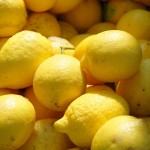
The concept of a “liver detox” is widely discussed, but it’s often misunderstood. Your liver is a sophisticated organ that neutralizes and eliminates toxins; it doesn’t store them. Therefore, instead of focusing on aggressive “cleanses,” a better approach is to support the liver’s natural functions through a healthy diet and lifestyle. A traditional morning tonic of olive oil and lemon juice is often cited in this context. However, it’s crucial to understand its real benefits and, more importantly, its safety limitations.
This article, written from a phytotherapy perspective, clarifies the science behind these ingredients, debunks dangerous myths, and provides a safe protocol for incorporating them into your wellness routine.

Understanding the Supportive Role of Olive Oil and Lemon
The potential benefits of this combination do not come from “flushing” the liver but from the powerful biochemical properties of each ingredient. Consequently, these ingredients help reduce the metabolic stress on the liver, allowing it to perform its functions more efficiently.
- Extra Virgin Olive Oil (EVOO): High-quality EVOO is rich in monounsaturated fats, particularly oleic acid, and potent antioxidants called polyphenols, such as oleocanthal and oleuropein. Research published in journals like Antioxidants suggests these compounds exhibit significant anti-inflammatory and antioxidant effects. In fact, they help protect liver cells (hepatocytes) from oxidative damage caused by metabolic processes and exposure to toxins.
- Lemon Juice: Lemons are an excellent source of Vitamin C (ascorbic acid) and citrus flavonoids like hesperidin. These compounds are powerful antioxidants that help neutralize free radicals. Furthermore, by reducing the body’s overall oxidative load, lemon juice indirectly supports the liver, which is the primary organ for managing oxidative stress.
The Myth of the “Liver and Gallstone Flush”
A dangerous and widespread myth suggests that consuming large quantities of olive oil and lemon juice can expel gallstones. This is medically and scientifically false. The “stones” that people report passing after such a “flush” are not gallstones. Instead, they are soap-like formations created when the large amount of oil reacts with digestive juices in a process called saponification.
⚠️ **WARNING – Medical Emergency Risk!**
Attempting a high-dose “liver flush” is extremely dangerous, especially for individuals with undiagnosed gallstones. Ingesting large amounts of fat can cause the gallbladder to contract forcefully. If a real gallstone is present, this contraction can push it into a bile duct, causing a painful and potentially life-threatening blockage that requires emergency medical intervention.
Administration Protocol and Safety Limits
For those wishing to use this combination as a supportive tonic, moderation and safety are paramount. The following protocol is based on traditional use and general safety principles, not on aggressive “cleansing.”
| Protocol Aspect | Guideline and Rationale |
|---|---|
| Maximum Daily Dose | 1 tablespoon of high-quality extra virgin olive oil and the juice of ½ a fresh lemon mixed in a glass of lukewarm water. |
| Treatment Duration | Consume for 2-3 weeks continuously. |
| Mandatory Break | Take a break of at least 2 weeks between cycles to prevent digestive dependency or irritation. |
| Administration Timing | Drink on an empty stomach, about 15-30 minutes before breakfast, to maximize absorption and stimulate digestion for the day. |
Overdose Risk: Exceeding the recommended dose can lead to digestive distress, including diarrhea, nausea, and acid reflux. Importantly, higher doses significantly increase the risk of gallbladder complications.
Specific Biological Limitation
Gallbladder Stimulation: The primary biological limitation of this remedy involves its effect on the gallbladder. Fat, such as olive oil, is a potent stimulator of cholecystokinin (CCK), a hormone that triggers gallbladder contraction to release bile. While this is a normal digestive process that aids fat digestion, it becomes dangerous for individuals with gallstones (cholelithiasis).
Technical Warning: For a person with pre-existing gallstones, the strong contraction induced by a concentrated dose of oil can dislodge a stone, leading to biliary colic (severe pain), acute pancreatitis, or cholangitis (bile duct infection)—all of which are medical emergencies.
Contraindications and Precautions
Always consult a healthcare provider before starting any new health regimen, especially if you have pre-existing conditions.
Absolute Contraindications (DO NOT USE)
- Known Gallstones or Bile Duct Obstruction: This is the most critical contraindication due to the risk of causing a blockage.
- Acute Liver or Gallbladder Disease: This includes conditions like hepatitis, pancreatitis, or cholecystitis.
- Acid Reflux or GERD: Lemon juice is highly acidic and can significantly worsen symptoms.
- Stomach Ulcers: The acidity can cause severe irritation and pain.
Vulnerable Populations
- Pregnancy and Breastfeeding: There is insufficient safety data. Therefore, it is best to avoid this remedy.
- Children: This combination is not necessary or recommended for children.
Potential Drug Interactions
- Anticoagulants (Blood Thinners): While the risk is low at this dosage, olive oil polyphenols may have a mild antiplatelet effect. Consequently, individuals on medications like warfarin should consult their doctor.
- Blood Pressure Medications: Olive oil may have a modest blood pressure-lowering effect, which could potentiate the effect of antihypertensive drugs.
Therapeutic Alternatives for Liver Support
If the olive oil and lemon tonic is not suitable for you, several evidence-based botanical alternatives can provide excellent liver support.
1. Milk Thistle (Silybum marianum): This is the most well-researched herb for liver health. Its active compound complex, silymarin, is a powerful antioxidant that helps protect liver cells from damage and supports their regeneration. It is often recommended for those with exposure to liver-stressing substances.
2. Artichoke Leaf Extract (Cynara scolymus): Artichoke extract is known for its choleretic properties, meaning it stimulates the production of bile by the liver. This action helps improve the digestion of fats and can relieve symptoms like bloating and indigestion, thereby reducing the metabolic load on the liver.
3. Turmeric (Curcuma longa): The primary active compound, curcumin, is a potent anti-inflammatory agent. Chronic inflammation is a key driver of liver damage. According to numerous studies, curcumin can help reduce inflammatory markers and protect against conditions like non-alcoholic fatty liver disease (NAFLD).
Recent Medical Research (2020-2026)
Modern science continues to validate the benefits of the Mediterranean diet, in which olive oil is a cornerstone, for liver health.
- A 2023 review in Nutrients highlighted the role of extra virgin olive oil in managing non-alcoholic fatty liver disease (NAFLD). The authors concluded that the polyphenols in EVOO help reduce liver fat accumulation (steatosis), inflammation, and fibrosis by modulating key cellular pathways.
- Similarly, a 2022 study in Frontiers in Nutrition found that citrus flavonoids, like those in lemons, demonstrated protective effects against liver injury in various experimental models by enhancing antioxidant defenses.
Current Limitations: While the individual components are well-studied, there is no specific clinical research on the combined olive oil and lemon tonic for “detoxification.” The benefits are inferred from the known properties of each ingredient.
Specialist’s Summary
The daily tonic of olive oil and lemon is useful for providing antioxidant and anti-inflammatory support to the liver, not for “detoxification.” Its effects are gentle and supportive when used in moderation. However, it is strictly contraindicated for individuals with gallstones or severe acid reflux due to its gallbladder-stimulating and acidic nature. Validated alternatives with stronger scientific backing for direct liver support include Milk Thistle, Artichoke Extract, and Turmeric.
Frequently Asked Questions
Can olive oil and lemon flush out gallstones?
No. This is a dangerous myth. The practice does not remove gallstones and can cause a serious medical emergency by lodging an existing stone in a bile duct. The “stones” passed are soap particles created from the oil.
Is this a real “liver detox”?
The term “detox” is misleading. This tonic does not “cleanse” or “flush” the liver. Instead, its antioxidant compounds may help protect liver cells from damage and support the organ’s natural, ongoing detoxification processes.
Can I take this mixture every day forever?
It is best to use this tonic in cycles (e.g., 2-3 weeks on, 2 weeks off). Continuous daily use is unnecessary and may lead to digestive tolerance issues for some individuals. Listening to your body is key.
Sources and References
- Lozano-Castellón, J., et al. (2023). Extra Virgin Olive Oil and Non-Alcoholic Fatty Liver Disease: A Systematic Review of the Evidence in Preclinical and Clinical Studies. Nutrients.
- Grosso, G., et al. (2022). The Effect of the Mediterranean Diet on Non-alcoholic Fatty Liver Disease: A Review of the Evidence. Frontiers in Nutrition.
- European Medicines Agency (EMA). Community herbal monograph on Silybum marianum (L.) Gaertn., fructus.
**⚠️ Important Medical Information**
This article is for **educational and informational purposes only** and is not intended as medical advice, diagnosis, or treatment. The information provided about Olive Oil and Lemon is based on traditional use, preliminary research, and available scientific evidence, which may be limited.
**Before using this remedy:**
– **Consult a qualified healthcare provider**, especially if you are pregnant, breastfeeding, taking medications, or have existing health conditions like gallstones, GERD, or liver disease.
– **Do not use as a substitute** for prescribed medications or professional medical treatment.
– **Individual results may vary** – what works for one person may not work for another.
– **Monitor for adverse reactions** and discontinue use if negative symptoms like severe pain, nausea, or digestive upset occur.
**Regulatory status:** Olive oil and lemon are foods and are not evaluated by the FDA for treating, curing, or preventing any disease.