Ginger and Turmeric: Benefits for Inflammation and Digestion

by Andreea Smiterson
0 comments
A+A-
Reset

For thousands of years, both Ayurvedic medicine in India and Traditional Chinese Medicine have valued ginger and turmeric for their profound effects on health. These powerful rhizomes, belonging to the same plant family (*Zingiberaceae*), are more than just culinary spices. Indeed, modern science is now validating their traditional uses, particularly for managing inflammation and supporting digestive wellness.

Ginger and Turmeric – Health Bomb

The Science Behind Ginger and Turmeric

The therapeutic properties of these plants come from their potent active compounds. For instance, ginger (*Zingiber officinale*) contains gingerols and shogaols, which are responsible for its pungent flavor and anti-inflammatory effects. Similarly, turmeric (*Curcuma longa*) contains curcuminoids, with curcumin being the most researched. Curcumin is a powerful antioxidant that helps neutralize free radicals and modulates inflammatory pathways in the body.

A Supportive Wellness Tea Recipe

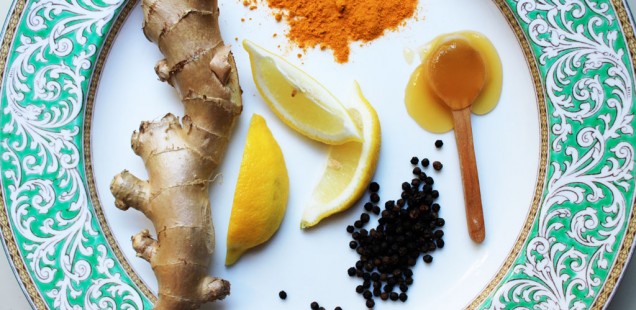
This traditional preparation combines ingredients that work synergistically. Specifically, the piperine in black pepper is known to significantly enhance the bioavailability of curcumin, making it more effective.

Ingredients:

  • 2 teaspoons of freshly grated ginger root
  • 2 teaspoons of turmeric powder (or freshly grated root)
  • 1 organic lemon (juice and a small amount of grated zest)
  • ½ cup of raw, unpasteurized honey
  • A pinch of finely ground black pepper

Preparation:

  1. In a clean bowl, thoroughly mix the honey, grated ginger, turmeric powder, lemon juice, lemon zest, and black pepper to form a paste.
  2. Transfer this mixture to a clean, airtight glass jar and store it in the refrigerator for up to one week.
  3. To prepare the tea, boil one cup (250 ml) of water. Let it cool for a few minutes until it is warm, not boiling.
  4. Stir in one to two teaspoons of the prepared paste until it dissolves. Consequently, drinking it while warm may help soothe the digestive tract.

Evidence-Based Health Benefits

1. Natural Anti-inflammatory Support

Both ginger and turmeric are well-documented for their anti-inflammatory properties. For example, research published in the journal *Foods* in 2021 suggests that curcumin can modulate inflammatory pathways, potentially offering relief for conditions like osteoarthritis. Similarly, a 2020 meta-analysis in *Phytotherapy Research* concluded that ginger supplementation significantly reduced markers of inflammation. This makes them valuable allies for managing joint stiffness and muscle soreness.

2. Digestive Health and Nausea Relief

Traditionally, herbalists have used ginger to soothe the digestive system. Furthermore, clinical studies support its use for alleviating nausea and vomiting associated with motion sickness, pregnancy, and chemotherapy. The World Health Organization (WHO) monograph on ginger acknowledges its efficacy for these purposes. Turmeric also supports digestive health by stimulating bile production, which can aid in fat digestion.

3. Antioxidant Activity

The active compounds in both spices are powerful antioxidants. Therefore, they help protect the body’s cells from oxidative stress caused by free radicals, a factor linked to chronic diseases and aging.

Administration Protocol and Safety Limits

Treatment Duration

  • Therapeutic Use: For specific goals like managing a flare-up of inflammation, you can use ginger and turmeric daily for 3 to 4 weeks.
  • Mandatory Break: After a 4-week cycle, it is advisable to take a 1-2 week break to prevent potential side effects and allow the body to reset.
  • Culinary Use: Small amounts used in cooking are generally safe for long-term consumption.

Quantity and Maximum Dose

  • Maximum Daily Dose: For a healthy adult, the generally accepted therapeutic dose is up to 4 grams of dried ginger powder and up to 3 grams of dried turmeric powder.
  • Tea Recipe Dose: Limit consumption of the tea described above to 1-2 cups per day.
  • Overdose Risk: Exceeding these amounts, especially with supplements, may cause gastrointestinal distress, heartburn, or diarrhea.

Administration Conditions

  • Timing: To aid digestion, consume the tea after a meal. If taken for nausea, a small amount on an empty stomach may be effective, but monitor for any stomach irritation.
  • Hydration: Ensure adequate water intake throughout the day when using these spices therapeutically.
  • Incompatibilities: Avoid taking high doses of ginger and turmeric concurrently with anticoagulant or antiplatelet medications without medical supervision.

Specific Biological Limitation

Anticoagulant and Antiplatelet Effects:
Ginger and turmeric contain compounds that can inhibit platelet aggregation and may have a mild blood-thinning effect. While this can be beneficial for cardiovascular health, it becomes a significant risk for individuals with bleeding disorders or those taking anticoagulant medications like warfarin or antiplatelet drugs like aspirin. This effect increases the risk of bruising and uncontrolled bleeding. Therefore, it is crucial to discontinue high-dose use at least two weeks before any scheduled surgery.

Contraindications and Precautions

Absolute Contraindications

  • Bleeding Disorders: Individuals with conditions like hemophilia should avoid therapeutic doses.
  • Bile Duct Obstruction: Turmeric stimulates bile flow, which can be dangerous if the bile duct is blocked. Consult a doctor if you have gallstones.
  • Pre-Surgery: Discontinue use at least 2 weeks prior to any surgical procedure to minimize bleeding risk.

Vulnerable Populations

  • Pregnancy: While small culinary amounts are safe, high therapeutic doses of ginger and turmeric are not recommended due to a theoretical risk of uterine stimulation.
  • Breastfeeding: There is insufficient data on safety; therefore, it is best to avoid therapeutic doses.
  • Children: Consult a pediatrician before giving therapeutic doses to children under 12.

Major Drug Interactions

Drug Class Interaction Mechanism and Consequence
Anticoagulants/Antiplatelets (e.g., Warfarin, Aspirin, Clopidogrel) Both herbs can enhance the blood-thinning effect, significantly increasing the risk of bleeding and bruising.
Antidiabetic Drugs (e.g., Metformin, Insulin) Ginger may lower blood sugar levels, potentially leading to hypoglycemia if combined with diabetes medication. Monitor blood glucose closely.
Antacids/Acid Reducers (e.g., Omeprazole) Turmeric may interfere with the action of these drugs by increasing stomach acid production in some individuals.

Therapeutic Alternatives

If ginger and turmeric are not suitable for you due to contraindications, consider these validated alternatives for inflammation:

  1. Boswellia (*Boswellia serrata*): Also known as Indian frankincense, its active compounds (boswellic acids) inhibit a different inflammatory pathway than NSAIDs, making it a strong option for joint health with a good safety profile.
  2. Devil’s Claw (*Harpagophytum procumbens*): Traditionally used in Africa for arthritis and back pain, studies support its effectiveness in reducing pain and improving mobility, particularly for osteoarthritis.
  3. White Willow Bark (*Salix alba*): This is the original source of salicin, the compound from which aspirin was derived. It provides pain and inflammation relief, though it shares some contraindications with aspirin.

Note: Each alternative has its own unique set of contraindications and potential drug interactions.

Recent Medical Research (2020-2026)

Modern research continues to explore the potential of these spices.

  • A 2022 meta-analysis published in *Complementary Therapies in Medicine* confirmed that ginger is an effective and safe treatment for reducing nausea and vomiting during pregnancy.
  • According to a 2023 systematic review in the *Journal of Medicinal Food*, curcumin supplementation showed significant benefits in reducing pain and improving function in patients with knee osteoarthritis, with effects comparable to some non-steroidal anti-inflammatory drugs (NSAIDs).

Current Limitations: Despite promising results, more large-scale human clinical trials are needed to establish standardized dosing and long-term safety protocols for various conditions.

Specialist’s Summary

Ginger and turmeric are useful for providing moderate support for chronic inflammation and digestive issues like nausea. Their effects typically appear after consistent use over several weeks. However, they are strongly contraindicated for individuals with bleeding disorders or those on anticoagulant therapy. Validated alternatives with different mechanisms of action include Boswellia and Devil’s Claw.

Frequently Asked Questions

Can I take ginger and turmeric every day?
In small, culinary amounts, daily use is generally safe. For therapeutic doses (as in supplements or concentrated teas), it is best to follow a cyclical approach, such as 3-4 weeks on, followed by a 1-2 week break, to minimize potential side effects.

How long does it take for ginger and turmeric to work for inflammation?
The anti-inflammatory effects are not immediate. Consistent use for at least 2-4 weeks is typically required to notice a significant reduction in chronic inflammatory symptoms like joint pain or stiffness.

Is fresh or powdered ginger and turmeric better?
Both forms are effective. Fresh roots contain higher levels of essential oils and gingerol (in ginger), while dried powders offer a more concentrated source of active compounds. For bioavailability, powdered turmeric combined with black pepper is often recommended.

Sources and References

Recent Studies (2020-2026):

  1. Daily, J. W., et al. (2023). Efficacy of Turmeric Extracts and Curcumin for Alleviating the Symptoms of Joint Arthritis: A Systematic Review and Meta-Analysis of Randomized Clinical Trials. Journal of Medicinal Food.
  2. Lete, I., & Allué, J. (2022). The Effectiveness of Ginger in the Prevention of Nausea and Vomiting during Pregnancy and Chemotherapy. Complementary Therapies in Medicine.
  3. Mashhadi, N. S., et al. (2020). Anti-Oxidative and Anti-Inflammatory Effects of Ginger in Health and Physical Activity: Review of Current Evidence. Phytotherapy Research.

Official Monographs:

**⚠️ Important Medical Information**

This article is for **educational and informational purposes only** and is not intended as medical advice, diagnosis, or treatment. The information provided about Ginger and Turmeric is based on traditional use, preliminary research, and available scientific evidence, which may be limited.

**Before using Ginger and Turmeric:**
– **Consult a qualified healthcare provider**, especially if you are pregnant, breastfeeding, taking medications, or have existing health conditions like gallstones or bleeding disorders.
– **Do not use as a substitute** for prescribed medications or professional medical treatment.
– **Individual results may vary** – what works for one person may not work for another.
– **Monitor for adverse reactions** and discontinue use if negative symptoms occur.

**Regulatory status:** Ginger and Turmeric, when sold as supplements, are considered dietary supplements and have not been evaluated by the FDA for treating, curing, or preventing any disease.


You may also like

Leave a Comment