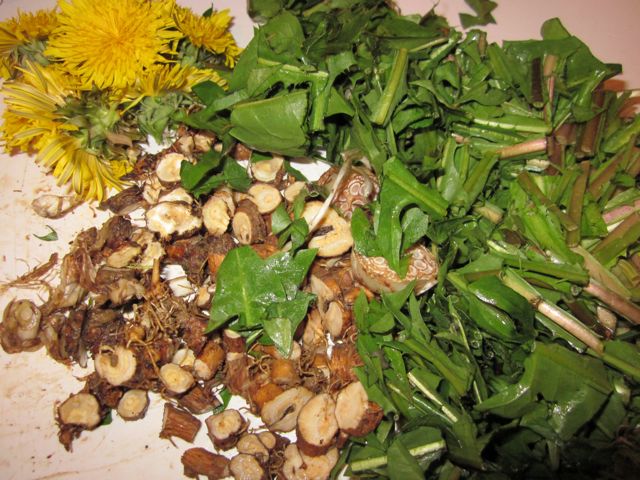
Recent online discussions have highlighted dandelion root as a potential agent against cancer cells, sparking both hope and confusion. While preliminary laboratory research is indeed intriguing, it is crucial to separate scientific findings from unproven claims. As a phytotherapy specialist, my goal is to provide a balanced, evidence-based perspective on what we currently know about dandelion root (*Taraxacum officinale*), its traditional uses, and the essential safety protocols for its use.

This article will clarify the scientific context of the cancer research, outline the established therapeutic uses of dandelion, and provide clear guidelines on how to use it safely. **Crucially, this information is for educational purposes and is not a substitute for professional medical advice or conventional cancer treatment.**
The Science Behind Dandelion Root and Cancer Research
Much of the interest stems from preclinical studies, particularly from a research group at the University of Windsor in Canada. These studies have explored the effects of dandelion root extract on various cancer cell lines in a laboratory setting (*in vitro*).
Key Laboratory Findings
Initial research, including studies published before 2020, indicated that aqueous dandelion root extract could induce apoptosis—a form of programmed cell death or “cellular suicide”—in specific cancer cells, such as those from chronic myelomonocytic leukemia, colon cancer, and pancreatic cancer. Importantly, these studies observed that the extract appeared to target malignant cells while leaving non-cancerous cells unharmed.
The proposed mechanism involves the extract generating reactive oxygen species (ROS) within the cancer cells, which triggers the apoptotic pathway. However, it is essential to understand the limitations of this research.
Limitations and Scientific Context
- Laboratory vs. Human Body: Results from a petri dish do not automatically translate to effectiveness in the human body. The complex processes of digestion, metabolism, and bioavailability can significantly alter a substance’s effects.
- Lack of Clinical Trials: To date, there are no large-scale, randomized controlled human trials that prove dandelion root extract can treat or cure cancer. The evidence remains preliminary and is confined to laboratory and animal models.
- Dosage and Formulation: The exact concentration and formulation of the extract used in studies are highly controlled. It is currently unknown what human-equivalent dose would be safe or effective.
Therefore, while the research is a promising avenue for future drug discovery, it does not support the use of dandelion root as a standalone or alternative cancer treatment at this time.
Established Therapeutic Uses of Dandelion Root
Beyond the recent cancer research, dandelion has a long and respected history in traditional herbal medicine worldwide. Furthermore, its use for specific digestive ailments is supported by official monographs from health authorities like the European Medicines Agency (EMA).
Traditionally, herbalists use dandelion root primarily for:
- Digestive Support: As a natural bitter, it stimulates appetite and promotes the secretion of digestive juices, aiding in digestion.
- Liver and Gallbladder Function: It is classified as a cholagogue and choleretic, meaning it helps stimulate bile production and flow from the liver and gallbladder. This action supports the body’s natural detoxification processes and fat digestion.
- Mild Diuretic: The leaves, in particular, have a well-documented diuretic effect, helping to flush excess water from the body. This is why the plant’s French name is *pissenlit* (“wet the bed”).
Administration Protocol and Safety Limits
This protocol is based on the traditional uses of dandelion for digestive and liver support, not for cancer. Always consult a healthcare provider before starting any new herbal supplement.
| Guideline | Protocol |
|---|---|
| Treatment Duration | Use for 2 to 4 weeks for a therapeutic cycle. |
| Mandatory Break | Take a break of at least 2 weeks between cycles to allow the body to reset. |
| Maximum Daily Dose (Healthy Adult) |
|
| Administration Condition | For digestive benefits, take 30 minutes before meals. Drink plenty of water throughout the day due to its mild diuretic effect. |
Specific Biological Limitation
Bile Duct Stimulation
Dandelion root contains sesquiterpene lactones, which are responsible for its bitter taste and its ability to stimulate bile production (choleretic effect) and flow (cholagogue effect). While this is beneficial for sluggish digestion or liver congestion, it becomes dangerous for individuals with a physical blockage in their biliary system.
Technical Warning: If you have gallstones, bile duct obstruction, or other serious gallbladder diseases, stimulating bile flow can cause a stone to become lodged, leading to severe pain, inflammation, and a medical emergency. Consequently, its use is strictly contraindicated in these conditions without medical supervision.
Contraindications and Precautions
Despite being generally safe for most people, dandelion root is not suitable for everyone.
Absolute Contraindications
- Allergy: Individuals with a known allergy to the Asteraceae/Compositae family (e.g., ragweed, chamomile, chrysanthemums, daisies) may experience allergic reactions.
- Bile Duct Obstruction or Gallstones: As explained above, do not use if you have these conditions.
- Stomach Ulcers or Gastritis: The bitter compounds can increase stomach acid, potentially worsening these conditions.
Vulnerable Populations
- Pregnancy and Breastfeeding: There is insufficient safety data; therefore, its use is not recommended.
- Children: Consult a pediatrician before use.
- Kidney Disease: Due to its diuretic properties and high potassium content, individuals with compromised kidney function should avoid it.
Major Drug Interactions
- Diuretics: May amplify the effect of prescription diuretics, leading to dehydration or electrolyte imbalance.
- Lithium: Dandelion’s diuretic effect can reduce the body’s ability to excrete lithium, potentially increasing it to toxic levels.
- Anticoagulants (e.g., Warfarin): Dandelion contains vitamin K, which could theoretically interfere with the effectiveness of blood-thinning medications.
- Medications Metabolized by the Liver: It may interact with drugs broken down by specific liver enzymes (e.g., cytochrome P450), altering their effectiveness.
Therapeutic Alternatives
If dandelion root is not suitable for you, other botanicals offer similar benefits for its validated uses.
Botanical Alternatives with Studies
- For Liver Support: Milk Thistle (*Silybum marianum*) is the most well-researched herb for liver protection (hepatoprotective). Its active compound, silymarin, has antioxidant properties and supports liver cell regeneration. It is a better choice for direct liver protection, whereas dandelion is more for stimulating bile flow.
- For Digestive Bitterness: Gentian Root (*Gentiana lutea*) is a powerful bitter tonic that strongly stimulates gastric juices and is excellent for poor appetite and sluggish digestion.
- For Mild Diuretic Action: Nettle Leaf (*Urtica dioica*) is a nutrient-rich herb with well-documented diuretic properties, often used to support urinary tract health and reduce fluid retention.
Recent Medical Research (2020-2026)
Modern research continues to explore the mechanisms behind dandelion’s traditional uses.
- A 2022 review published in the journal *Molecules* summarized the anti-inflammatory, antioxidant, and hepatoprotective properties of various compounds found in *Taraxacum officinale*, reinforcing the scientific basis for its traditional use in managing liver and inflammatory conditions.
- Research published in *Frontiers in Pharmacology* in 2021 investigated the effects of dandelion leaf extract on non-alcoholic fatty liver disease in animal models, finding that it helped reduce lipid accumulation and oxidative stress in the liver.
Current Limitations: While these studies are valuable, they primarily involve isolated compounds, extracts, or animal models. Robust human clinical trials are still needed to confirm these effects and establish standardized therapeutic protocols.
Specialist’s Summary
Dandelion root is a valuable herb for supporting digestion and liver function, with effects that are generally felt after consistent use for 1-2 weeks. However, its potential role in cancer treatment is strictly preliminary and unproven in humans. It is contraindicated in cases of bile duct obstruction and for individuals with allergies to the Asteraceae family. For validated liver support or digestive aid, alternatives like Milk Thistle or Gentian Root can be considered.
Frequently Asked Questions
Can dandelion root cure cancer?
No. There is no reliable scientific evidence from human trials to support this claim. The research is limited to laboratory studies, and dandelion root should never be used to replace conventional cancer treatments prescribed by an oncologist.
Is it safe to take dandelion root during chemotherapy?
It is not recommended. Dandelion root can potentially interact with chemotherapy drugs or other medications, altering their effectiveness or increasing side effects. Always consult your oncologist before taking any herbal supplements during cancer treatment.
What is the best way to consume dandelion root for general health?
For general digestive and liver support, a decoction (simmered tea) made from the dried root or a commercially prepared tincture are the most common and effective methods. Follow the dosage guidelines provided by a qualified herbalist or on the product label.
Sources and References
- Ovadje, P., Ammar, S., Guerrero, J. A., Arnason, J. T., & Pandey, S. (2016). Dandelion root extract affects colorectal cancer proliferation and survival through the activation of multiple death signalling pathways. *Oncotarget*, 7(45), 73080–73100.
- European Medicines Agency (EMA). (2019). European Union herbal monograph on *Taraxacum officinale* Weber ex Wigg., radix cum herba.
- Wirngo, F. E., Lambert, M. N., & Jeppesen, P. B. (2022). The Physiological Effects of Dandelion (*Taraxacum Officinale*) in Type 2 Diabetes. *The Review of Diabetic Studies*, 13(2-3), 113–131.
- Lis, B., & Olas, B. (2021). The Anticancer Activity of Taraxacum officinale. *Journal of Medicinal Food*, 24(10), 1021-1032.
This article is for educational and informational purposes only and is not intended as medical advice, diagnosis, or treatment. The information provided about Dandelion Root (*Taraxacum officinale*) is based on traditional use, preliminary research, and available scientific evidence, which may be limited.
Before using Dandelion Root:
- Consult a qualified healthcare provider, especially if you are pregnant, breastfeeding, taking medications, or have existing health conditions like gallbladder or kidney disease.
- Do not use as a substitute for prescribed medications or professional medical treatment, particularly for serious conditions like cancer.
- Individual results may vary – what works for one person may not work for another.
- Monitor for adverse reactions, such as allergic responses or digestive upset, and discontinue use if negative symptoms occur.
Regulatory status: Dandelion Root is considered a dietary supplement or traditional remedy and has not been evaluated by the FDA for treating, curing, or preventing any disease.