Baking Soda for Skin: A Guide to Safe Use and Risks

by Andreea Smiterson
1 comment
A+A-
Reset

Baking soda (sodium bicarbonate) is a common household item often promoted in do-it-yourself beauty recipes for skin and hair. While it has been traditionally used as a simple cleansing and deodorizing agent, it is crucial to understand its chemical properties and potential risks before applying it to your body. As a phytotherapy specialist, my goal is to provide a balanced, evidence-based perspective that prioritizes your skin’s long-term health over popular but potentially harmful trends.

This article will clarify the science behind using baking soda topically, outline its very limited and specific applications, and highlight significant safety concerns that are often overlooked.

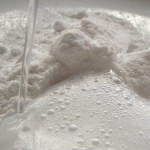
baking soda for skin and hair

The Science: Why Baking Soda Can Be Harmful to Your Skin

The primary concern with using baking soda on the skin is its high pH level. Healthy skin has a naturally acidic surface layer, known as the acid mantle, with a pH typically between 4.5 and 5.5. This acidity is vital for protecting against harmful bacteria, maintaining moisture, and supporting overall skin barrier function.

However, baking soda is highly alkaline, with a pH of around 9. Applying such an alkaline substance can severely disrupt the acid mantle. Consequently, this disruption can lead to:

  • Increased Dryness and Irritation: It strips the skin of its natural protective oils.
  • Compromised Skin Barrier: A damaged barrier makes the skin more vulnerable to environmental damage and pathogens.
  • Exacerbation of Skin Conditions: For individuals with conditions like eczema, rosacea, or acne, baking soda can worsen inflammation and sensitivity.

⚠️ WARNING – Risk of Severe Skin Barrier Damage!
Regular or improper use of baking soda can strip the skin’s natural acid mantle. This protective barrier is essential for retaining moisture and defending against bacteria. Damaging it can lead to chronic dryness, irritation, increased sensitivity, and a higher risk of infections and inflammatory conditions. This effect is particularly dangerous for individuals with pre-existing dry or sensitive skin.

Limited and Cautious Applications

While direct application on the face or sensitive skin is strongly discouraged, there are a few limited contexts where baking soda may be used with extreme caution.

1. Deodorizing Foot Soak

For tired or odorous feet, the skin is thicker and less sensitive than on the face. Therefore, a baking soda soak can be a relatively safe way to neutralize odors and soften calluses.

  • Method: Dissolve 3 tablespoons of baking soda in a basin of warm water.
  • Application: Soak feet for 10-15 minutes.
  • Aftercare: Rinse thoroughly with clean water, pat dry completely, and immediately apply a thick, hydrating moisturizer to counteract the drying effects.

2. Gentle Exfoliation for Tough Skin (Elbows and Knees)

As a mild physical abrasive, a baking soda paste can help remove dead skin cells on very tough areas like the elbows and knees. However, this should not be performed on the face, neck, or chest.

  • Method: Mix one part baking soda with three parts water to form a thin, liquid paste. Do not create a thick, gritty scrub.
  • Application: Gently massage the paste onto damp elbows or knees for no more than 30 seconds using minimal pressure.
  • Aftercare: Rinse immediately and thoroughly. Follow up with a rich moisturizing cream.

Administration Protocol and Safety Limits

Treatment Duration and Frequency

  • Maximum Frequency: Do not use baking soda preparations on the skin more than once every 1-2 weeks. It is not suitable for daily or even weekly use.
  • Contact Time: Limit contact with the skin to under one minute for scrubs and a maximum of 15 minutes for soaks.
  • Patch Test: Always perform a patch test on a small, inconspicuous area of skin 24 hours before a wider application to check for irritation or allergic reaction.

Quantity and Maximum Dose

  • For Pastes/Scrubs: Use no more than one teaspoon of baking soda mixed with at least three teaspoons of water or a neutral carrier oil.
  • For Soaks: Use no more than 3-4 tablespoons per gallon (approx. 4 liters) of water.
  • Overuse Risk: Exceeding these amounts or frequencies significantly increases the risk of chemical burns, severe dryness, and long-term damage to the skin barrier.

Administration Conditions

  • Application Surface: Only apply to intact, healthy skin. Never use on broken, irritated, sunburned, or infected skin.
  • – **Incompatibilities:** Do NOT mix baking soda with acidic ingredients like lemon juice or apple cider vinegar. This creates a chemical reaction on your skin that is highly unpredictable and can cause severe irritation.

  • Hydration: Always follow any use of baking soda with thorough rinsing and application of a pH-balanced moisturizer.

Specific Biological Limitation

The fundamental limitation of baking soda is its alkalinity. The skin’s acid mantle is a delicate ecosystem maintained by sebaceous and sweat glands. This acidic environment is crucial for the activity of enzymes that regulate skin shedding and for maintaining a healthy microbiome. When an alkaline substance like baking soda is applied, it neutralizes this acidity. As a result, this disruption can impair enzymatic activity, alter the lipid composition of the skin barrier, and allow pathogenic bacteria like *Propionibacterium acnes* (associated with acne) to proliferate.

Contraindications and Precautions

Absolute Contraindications (FORBIDDEN)

  • Sensitive or Dry Skin: Individuals with these skin types already have a compromised barrier, and baking soda will worsen the condition.
  • Acne-Prone Skin: Despite anecdotal claims, baking soda’s alkalinity can increase inflammation and bacterial growth, making acne worse.
  • Inflammatory Skin Conditions: Do not use if you have rosacea, eczema, psoriasis, or dermatitis.
  • Facial Skin: The skin on the face is thinner and more delicate; avoid all use of baking soda on the face.

When to Stop Immediately

Discontinue use immediately if you experience any redness, stinging, burning, itching, or excessive dryness.

Therapeutic Alternatives

If you are looking for safe and effective natural options, consider these validated alternatives instead of baking soda.

For Gentle Exfoliation:

  1. Colloidal Oatmeal: Finely ground oats create a gentle, soothing scrub that cleanses and moisturizes without disrupting skin pH. It is excellent for sensitive skin.
  2. Jojoba Beads: These are small, smooth spheres made from jojoba wax that provide gentle physical exfoliation without the risk of micro-tears caused by harsh scrubs.
  3. Lactic Acid: As a mild alpha-hydroxy acid (AHA), lactic acid chemically exfoliates while also hydrating the skin. It is found in many gentle, commercially available toners and serums.

For Deodorizing:

  • Magnesium Hydroxide: Often found in natural deodorants, it effectively neutralizes odor without being as harsh as baking soda.
  • Saccharomyces Ferment: A yeast-based ingredient that helps break down odor-causing compounds.

Recent Medical Research (2020-2026)

Recent dermatological research continues to emphasize the importance of maintaining the skin’s natural acidic pH.

  • A 2022 review in the *Journal of Cosmetic Dermatology* reiterated that cleansers and topical products should be pH-balanced (close to 5.5) to preserve skin barrier integrity. The study highlights that alkaline products contribute to barrier dysfunction and increase transepidermal water loss (TEWL), leading to dryness.
  • Research published in *Dermatology and Therapy* (2021) on atopic dermatitis underscores that avoiding alkaline soaps and detergents is a cornerstone of managing the condition, as they exacerbate symptoms by further disrupting an already compromised acid mantle.

Current Limitations: There is a significant lack of clinical trials supporting any therapeutic benefit of topical baking soda for skin health. The existing evidence focuses primarily on the negative consequences of disrupting skin pH.

Specialist’s Summary

Baking soda is a highly alkaline substance that poses a significant risk of damaging the skin’s protective acid mantle. Its use should be strictly limited to occasional foot soaks or gentle exfoliation on tough body areas like the knees, and it is absolutely contraindicated for the face, sensitive, dry, or acne-prone skin. Safer, pH-balanced alternatives like colloidal oatmeal or lactic acid offer effective results without compromising skin health. Always prioritize protecting your skin’s natural barrier.

Frequently Asked Questions

1. Can I use baking soda to treat acne and blackheads?

No, this is a harmful myth. Baking soda’s high pH can worsen acne by disrupting the skin barrier, increasing inflammation, and creating an environment where acne-causing bacteria can thrive. Mixing it with lemon juice is especially dangerous and can cause severe irritation.

2. Is it safe to add baking soda to my shampoo?

This is not recommended. Hair and scalp also have an acidic pH. Using an alkaline product like baking soda can strip hair of its natural oils, leaving it dry, brittle, and prone to breakage. It can also irritate the scalp, leading to dryness and flaking.

3. How can baking soda help with underarm odor?

Baking soda can temporarily neutralize acidic odor-causing compounds. However, the skin in the underarm area is sensitive and prone to irritation from shaving. Daily application of baking soda can lead to painful rashes and darkening of the skin (post-inflammatory hyperpigmentation). Safer alternatives exist in modern natural deodorants.

4. Is baking soda safe for children or during pregnancy?

No, it is not recommended. A child’s skin is thinner and more sensitive than an adult’s, making it highly susceptible to irritation from alkaline substances. Similarly, hormonal changes during pregnancy can make skin more reactive, so it is best to avoid potential irritants like baking soda.

Sources and References

  • Ali, S. M., & Yosipovitch, G. (2022). Skin pH: from basic science to basic skin care. Acta Dermato-Venereologica.
  • Lambers, H., Piessens, S., Bloem, A., Pronk, H., & Finkel, P. (2006). Natural skin surface pH is on average below 5, which is beneficial for its resident flora. International Journal of Cosmetic Science.
  • Ananthapadmanabhan, K. P., Moore, D. J., Subramanyan, K., Misra, M., & Meyer, F. (2021). Cleansing without compromise: the impact of cleansers on the skin barrier and the technology of mild cleansing. Dermatology and Therapy.

⚠️ Important Medical Information

This article is for educational and informational purposes only and is not intended as medical advice, diagnosis, or treatment. The information provided about Baking Soda (Sodium Bicarbonate) is based on its chemical properties and established dermatological principles.

Before using Baking Soda topically:

  • Consult a qualified healthcare provider or dermatologist, especially if you have existing health conditions like eczema, psoriasis, or acne.
  • Do not use as a substitute for professional medical treatment or prescribed skincare.
  • Individual results may vary, and what seems harmless to one person may cause a severe reaction in another.
  • Monitor for adverse reactions and discontinue use immediately if negative symptoms like redness, burning, or itching occur.


You may also like

1 comment

Amanda L Risk
Amanda L Risk January 4, 2016 - 19:16

Cant seem to get it anywhere lol

Reply

Leave a Comment