Avocado and Banana Foot Mask for Cracked Heels: A Natural Moisturizing Recipe

by Andreea Smiterson
0 comments
A+A-
Reset

Cracked heels, medically known as heel fissures, are a common foot problem resulting from excessively dry skin (xerosis) combined with pressure. While often a cosmetic issue, deep fissures can become painful and may even lead to infection. Fortunately, phytotherapy offers gentle, supportive options to moisturize and soften the skin. A topical mask made from avocado and banana is a traditional remedy that leverages the natural emollient and hydrating properties of these fruits to provide relief.

This article provides an evidence-based guide on how to prepare and safely use an avocado and banana foot mask, explains its mechanism of action, and outlines important safety considerations.

avocado for cracked heels

How Avocado and Banana May Help Soften Skin

The effectiveness of this mask lies in the complementary biochemical properties of its ingredients, which work to restore moisture and support the skin’s natural barrier.

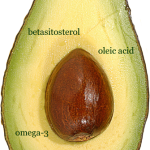
  • Avocado (Persea americana): This fruit is a rich source of monounsaturated fatty acids, primarily oleic acid. According to research published in the International Journal of Molecular Sciences, oleic acid acts as an emollient, softening the skin and enhancing the penetration of other beneficial compounds. Furthermore, avocados contain a significant amount of Vitamin E, a potent antioxidant that helps protect skin cells from oxidative stress and supports skin barrier function. Its creamy texture creates an occlusive layer, which helps reduce transepidermal water loss (TEWL).
  • Banana (Musa spp.): Bananas are rich in potassium, a mineral that functions as a humectant, helping to draw moisture into the skin’s outer layer (stratum corneum). Additionally, they contain Vitamin C, which is essential for collagen synthesis, and Vitamin B6, which supports overall skin health. The natural enzymes in ripe bananas may also offer a mild exfoliating effect, helping to slough off dry, dead skin cells.

Recipe and Application Guide

This simple, two-ingredient recipe can be prepared in minutes. For best results, perform a foot soak beforehand to soften the skin and improve the mask’s absorption.

Ingredients:

  • One half of a ripe avocado
  • One small, ripe banana

Instructions:

  1. Prepare Your Feet: First, soak your feet in warm water for 10-15 minutes. You may add Epsom salts to the water to help soften the skin further. Afterwards, gently pat your feet dry with a clean towel.
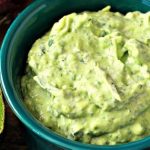
  2. Create the Mask: In a small bowl, mash the avocado and banana together with a fork until you achieve a smooth, creamy paste. For a completely lump-free consistency, you can use a blender.
  3. Apply the Mask: Generously apply the paste to your heels, focusing on the cracked and driest areas. You can extend the application to the entire sole of the foot.
  4. Allow it to Work: Leave the mask on for 15-20 minutes. To avoid making a mess, you can wrap your feet loosely in plastic wrap or place them in old socks you don’t mind getting dirty.
  5. Rinse and Moisturize: Finally, rinse the mask off with lukewarm water and pat your feet dry. Immediately apply a thick, natural moisturizer (like shea butter or a calendula-based cream) to lock in the hydration.

Administration Protocol and Safety Limits

While this is a gentle topical remedy, following a proper protocol ensures safety and effectiveness.

  • Frequency of Use: For optimal results, use this foot mask 2 to 3 times per week.
  • Application Duration: Do not leave the mask on for more than 20-30 minutes to prevent it from drying out on the skin.
  • Patch Test: Before applying the mask to a large area, perform a patch test on a small section of your skin (such as the inner arm) to check for any allergic reactions or irritation. Wait 24 hours to ensure no adverse effects occur.

Specific Biological Limitation

It is important to understand that this foot mask provides symptomatic relief for dry skin but does not address underlying medical causes of cracked heels. Conditions such as diabetes, hypothyroidism, psoriasis, or biomechanical issues (e.g., how you walk) can contribute to severe heel fissures. Therefore, if your condition is severe, painful, or does not improve with home care, consulting a healthcare provider or podiatrist is essential for a proper diagnosis and treatment plan.

Contraindications and Precautions

This natural remedy is not suitable for everyone. Please observe the following warnings carefully.

  • Latex-Fruit Syndrome: Individuals with a latex allergy may experience a cross-reaction to avocado and banana. This is a known allergic syndrome. Consequently, if you are allergic to latex, you must avoid this mask.
  • Open or Infected Fissures: Do not apply this mask to deep, bleeding, or infected cracks. The fruit sugars could potentially worsen an infection. This remedy is only for dry, non-broken skin.
  • Diabetes: People with diabetes should exercise extreme caution with any foot remedies. Due to the risk of neuropathy (nerve damage) and poor circulation, even minor skin issues can lead to serious complications. Therefore, always consult a podiatrist before trying new foot treatments.
  • Known Allergies: If you have a known allergy to avocados or bananas, do not use this mask.

Therapeutic Alternatives

If this mask is not suitable for you or if you wish to explore other options, several validated alternatives exist for managing dry and cracked heels.

Alternative Mechanism of Action Best For
Calendula (Calendula officinalis) Salve Promotes tissue regeneration, reduces inflammation, and provides antimicrobial properties. It is excellent for healing minor cracks and soothing irritated skin. Mild to moderate fissures with associated redness or irritation.
Shea Butter (Vitellaria paradoxa) A powerful emollient and occlusive, rich in fatty acids (oleic, stearic) and vitamins. It forms a protective barrier that locks in moisture and restores skin elasticity. Preventing dryness and treating thick, calloused heels.
Urea-Based Creams (10-25%) A pharmacological option that acts as both a humectant (drawing moisture in) and a keratolytic (breaking down thick, dead skin). Thick, stubborn calluses and severe heel fissures, often recommended by podiatrists.

Recent Medical Research (2020-2026)

While direct clinical trials on avocado-banana foot masks are scarce, recent research continues to validate the dermatological benefits of their key components.

A 2022 review in the journal Molecules highlighted the potential of avocado oil in dermatology, confirming its role in improving skin barrier function and providing anti-inflammatory and antioxidant effects, which are beneficial for conditions involving dry skin. Similarly, studies on banana peel extracts have shown significant antioxidant and anti-inflammatory properties, suggesting their potential for topical skin applications, although more research is needed on the fruit pulp itself for skin hydration.

The current scientific consensus supports using ingredients rich in fatty acids, vitamins, and humectants for managing xerosis. However, evidence for this specific combination remains largely traditional and anecdotal, supported by the known biochemical properties of the fruits.

Specialist’s Summary

The avocado and banana foot mask is a gentle, hydrating home remedy suitable for mild cases of dry, cracked heels. Its benefits stem from the emollient fats in avocado and the humectant properties of banana. However, it is contraindicated for individuals with latex allergies or open wounds and should be used with caution by those with diabetes. For persistent or severe cases, validated alternatives like calendula salve or urea-based creams are more appropriate.

Frequently Asked Questions

1. How often should I use an avocado foot mask?

For mild dryness, using the mask 2-3 times per week is generally sufficient. Listen to your skin; if you notice any irritation, reduce the frequency.

2. Can this mask cure severely cracked and bleeding heels?

No. This mask is for moisturizing dry, intact skin. You should never apply it to open, bleeding, or infected fissures. Severe cases require medical evaluation by a podiatrist or dermatologist.

3. Is it safe to use this mask if I have diabetes?

It is strongly recommended to consult your doctor or podiatrist before using any home remedies on your feet if you have diabetes. Foot care is critical in managing diabetes, and professional guidance is necessary to avoid complications like infections or ulcers.

4. Are there any allergy risks with this avocado and banana mask?

Yes. The primary risk is for individuals with Latex-Fruit Syndrome, as they can have a severe allergic reaction. Always perform a patch test before the first full application to check for sensitivity.

Sources and References

  • Lin, T. K., Zhong, L., & Santiago, J. L. (2017). Anti-Inflammatory and Skin Barrier Repair Effects of Topical Application of Some Plant Oils. International journal of molecular sciences, 19(1), 70. https://doi.org/10.3390/ijms19010070
  • Dreher, M. L., & Davenport, A. J. (2013). Hass avocado composition and potential health effects. Critical reviews in food science and nutrition, 53(7), 738–750. https://doi.org/10.1080/10408398.2011.556759
  • Kumar, K. S., Bhowmik, D., Duraivel, S., & Umadevi, M. (2012). Traditional and medicinal uses of banana. Journal of Pharmacognosy and Phytochemistry, 1(3), 51-63.

⚠️ Important Medical Information

This article is for educational and informational purposes only and is not intended as medical advice, diagnosis, or treatment. The information provided about this avocado and banana mask is based on traditional use and the known properties of its ingredients, which may have limited direct scientific evidence for this specific application.

Before using this remedy:

  • Consult a qualified healthcare provider, especially if you have diabetes, poor circulation, are pregnant, or have severely cracked or infected heels.
  • Do not use as a substitute for prescribed medications or professional medical treatment from a podiatrist.
  • Individual results may vary – what works for one person may not work for another.
  • Monitor for adverse reactions, such as redness, itching, or rash, and discontinue use immediately if negative symptoms occur.


You may also like

Leave a Comment