Avocado (Persea americana): A Nutritional and Therapeutic Profile

by Anda
0 comments
A+A-
Reset

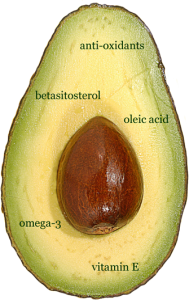
Avocado (Persea americana), often referred to as a “superfood,” is a fruit recognized for its exceptional nutrient density. While calorically rich, these calories are derived primarily from beneficial monounsaturated fatty acids (MUFAs), including oleic acid, and omega-3 fatty acids. Avocados are an excellent source of numerous vitamins and minerals, such as vitamins A, B-complex, C, E, and K, as well as essential minerals like copper, iron, magnesium, and potassium. Incorporating avocado into a balanced diet can offer a range of evidence-supported health benefits.

insideavocado

Evidence-Based Health Benefits of Avocado

Cardiovascular System Support

The high concentration of monounsaturated fats in avocados contributes significantly to cardiovascular health. These healthy fats help lower low-density lipoprotein (LDL) cholesterol, often termed “bad” cholesterol, while potentially increasing high-density lipoprotein (HDL) or “good” cholesterol. Furthermore, avocados contain beta-sitosterol, a phytosterol that has been shown in clinical studies to help maintain healthy cholesterol levels. The fruit’s substantial potassium content also plays a vital role in regulating blood pressure by counteracting the effects of sodium.

Neurological and Cognitive Health

Avocados are a rich source of folate (vitamin B9), a crucial nutrient for brain health. Adequate folate intake is associated with a lower risk of cognitive decline. Folate is essential for preventing the buildup of homocysteine, an amino acid that can impair circulation and the delivery of nutrients to the brain. The presence of vitamin E, a potent antioxidant, also helps protect brain cells from oxidative stress, a factor implicated in neurodegenerative conditions like Alzheimer’s disease.

Maternal and Fetal Health during Pregnancy

Folate is critically important during pregnancy for the proper development of the fetal brain and spinal cord. Sufficient intake of folic acid, both before and during pregnancy, significantly reduces the risk of neural tube defects such as spina bifida. As a natural source of folate, avocados are an excellent dietary addition for expectant mothers.

Metabolic Health and Blood Sugar Regulation

The monounsaturated fats in avocados can improve insulin sensitivity and help regulate blood sugar levels. Unlike carbohydrates that can cause rapid spikes in blood glucose, the fats and fiber in avocados slow down digestion. This gradual energy release helps prevent sharp increases in blood sugar, making avocados a suitable food for individuals with insulin resistance or type 2 diabetes, when consumed in moderation as part of a balanced meal plan.

Anti-Inflammatory and Antioxidant Properties

Avocados contain a variety of phytonutrients with documented anti-inflammatory effects, including polyphenols and flavonoids. They are also one of the few foods containing the powerful antioxidant glutathione, which supports liver function, cellular repair, and the overall immune system by combating oxidative damage.

Dermatological Applications

Avocado oil is widely used in cosmetic and dermatological preparations due to its moisturizing and nourishing properties. Rich in vitamins E and C, it helps protect the skin from oxidative damage and supports collagen production. While not a “cure,” its application may help soothe and manage symptoms of dry skin conditions like eczema and psoriasis due to its emollient and anti-inflammatory effects.

Weight Management

Despite being calorie-dense, avocados can support weight management. The combination of healthy fats and fiber promotes a strong sense of satiety, which can help reduce overall calorie intake by preventing overeating. The monounsaturated fats are used by the body as a source of slow-burning energy rather than being readily stored as body fat.

Administration Protocol and Safety Limits

Dietary Integration and Portion Control

As a food, avocado does not have a strict therapeutic protocol but should be integrated into a balanced diet with attention to portion size due to its high caloric and fat content.

    • Standard Serving Size: A typical serving is considered to be one-quarter to one-half of a medium-sized avocado (approximately 50-100 grams).
    • Recommended Daily Intake: For a healthy adult, consuming half an avocado daily is generally considered safe and beneficial. This provides a significant amount of nutrients without excessively increasing caloric intake.
    • Overconsumption Risk: Regularly exceeding one whole avocado per day without adjusting other caloric sources can contribute to unwanted weight gain.

Method of Consumption for Optimal Benefit

    • Timing: Consuming avocado with meals, particularly those containing vegetables like carrots, spinach, and tomatoes, can significantly enhance the absorption of fat-soluble vitamins (A, D, E, K) and carotenoids from those foods.
    • Incompatibilities: There are no major food incompatibilities, but its interaction with certain medications must be considered (see below).

Specific Biological Limitation

Vitamin K and Coagulation Cascade

Avocados contain a moderate amount of Vitamin K, a nutrient essential for the synthesis of clotting factors in the liver. This biological function is critical for proper blood coagulation. While beneficial for most people, this property becomes a significant risk for individuals on anticoagulant therapy.

Technical Warning: Vitamin K acts as a direct antagonist to coumarin-based anticoagulants like warfarin (Coumadin). A sudden increase in Vitamin K intake from foods like avocado can decrease the international normalized ratio (INR), reducing the drug’s efficacy and increasing the risk of thromboembolic events (blood clots).

Latex-Fruit Syndrome (Allergy Cross-Reactivity)

Some proteins in avocados are structurally similar to proteins found in natural rubber latex. This can lead to an allergic cross-reaction known as latex-fruit syndrome. Individuals with a known latex allergy may experience allergic symptoms after consuming avocado.

Contraindications and Precautions

Absolute Contraindications

    • Latex Allergy: Individuals with a confirmed allergy to latex should avoid avocados or consume them with extreme caution due to the high risk of cross-reactivity, which can range from oral allergy syndrome (itching of the mouth and throat) to anaphylaxis.

Vulnerable Populations

    • Pregnancy and Breastfeeding: Generally considered safe and beneficial.
    • Children: Safe and nutritious. Portion sizes should be adjusted according to age and caloric needs.
    • Chronic Kidney Disease: Avocados are very high in potassium. Patients with advanced kidney disease who are advised to follow a low-potassium diet must strictly limit or avoid avocado to prevent hyperkalemia (dangerously high blood potassium levels).

Major Drug Interactions

    • Anticoagulants (Warfarin/Coumadin): Patients taking warfarin must maintain a consistent intake of Vitamin K. Any significant, regular consumption of avocado should be discussed with their healthcare provider to allow for appropriate dose monitoring and adjustment.

Documented Adverse Effects

    • Common: Mild gastrointestinal upset, bloating, or diarrhea if consumed in excessive quantities due to high fiber and fat content.
    • Severe (Rare): Allergic reactions in susceptible individuals.

Quick Guide: Avocado Safety

Category Details
❌ Who should AVOID or Limit • Individuals with a known latex allergy.
• Patients with advanced chronic kidney disease (due to high potassium).
• Those on warfarin therapy should consult their doctor before regular consumption.
📊 Recommended Daily Intake • Adults: ¼ to ½ a medium avocado per day.
• No treatment duration or mandatory break is required as it is a food.
🚨 ALARM signs (Allergy) • Itching or swelling of the mouth, lips, or throat.
• Skin rashes or hives.
• Difficulty breathing (seek immediate medical attention).
💊 Major interactions • Warfarin (Coumadin) – may decrease drug efficacy.
⏱️ When to consult a doctor IMMEDIATELY if signs of an allergic reaction appear.
BEFORE regular consumption if you have kidney disease or are taking anticoagulants.

💡 Golden rule: When in doubt, consult a healthcare professional or registered dietitian.

Therapeutic Alternatives

If avocado is not suitable due to allergy, cost, or medical condition, other foods can provide similar nutritional benefits:

    • For Monounsaturated Fats: Extra virgin olive oil, almonds, cashews, and olives.
    • For Potassium: Bananas, sweet potatoes, spinach, and beans.
    • For Folate: Lentils, asparagus, and dark leafy greens like spinach and kale.

Recent Medical Research (2020-2026)

    • A 2022 study published in the Journal of the American Heart Association involving over 110,000 health professionals found that higher avocado intake (≥2 servings/week) was associated with a lower risk of cardiovascular disease and coronary heart disease.
    • Research from 2020 in the Journal of Nutrition indicated that daily avocado consumption improved attention and cognitive performance in overweight or obese adults.
    • Current Limitations: While research is promising, many studies are observational. More randomized controlled trials are needed to establish definitive cause-and-effect relationships between avocado consumption and specific health outcomes.

Specialist’s Summary

Avocado is a nutrient-dense fruit that primarily supports cardiovascular and metabolic health due to its high content of monounsaturated fats, fiber, and potassium. It is generally safe for daily consumption in moderation but is contraindicated for individuals with latex allergies and requires careful management for patients with advanced kidney disease or those on warfarin. Validated alternatives for its key nutrients include olive oil, nuts, and leafy greens.

Frequently Asked Questions

How much avocado is healthy to eat daily?

For most healthy adults, consuming one-quarter to one-half of a medium avocado per day is a beneficial and reasonable amount. This portion provides significant nutrients without contributing excessive calories to the diet.

Can avocado really help with weight loss?

Yes, avocado can be a valuable part of a weight loss diet. Its high fiber and healthy fat content promote satiety, helping you feel full longer and reducing the likelihood of overeating. However, it is calorie-dense, so portion control is essential.

Is avocado safe for people with kidney disease?

It depends on the stage of the disease. Avocados are very high in potassium. For individuals with early-stage kidney disease, it may be acceptable in small amounts, but for those with advanced kidney disease or on dialysis, it is typically restricted to prevent dangerous levels of potassium in the blood (hyperkalemia). Always consult a nephrologist or renal dietitian.

Sources and References


You may also like

Leave a Comment