As a phytotherapy specialist, I often see avocado (Persea americana) regarded as a cornerstone of a healthy diet. Indeed, its reputation is well-deserved. Traditionally valued in Central and South American cultures for its rich texture and nutritional content, modern science now confirms its significant health benefits. However, understanding how to incorporate it safely and effectively is key to harnessing its full potential. This article provides an evidence-based overview of avocado’s benefits, focusing on its role in nutrition and cardiovascular support, while also outlining crucial safety protocols.

1. Exceptional Nutrient Density
Avocado stands out for its impressive concentration of essential vitamins, minerals, and dietary fiber. Unlike most fruits, it is low in sugar and rich in healthy fats, making it a uniquely satisfying and nourishing food. For instance, a single medium-sized avocado (approximately 200 grams) provides a significant portion of the daily recommended intake for several key nutrients.
| Nutrient | Approximate % Daily Value (DV) | Primary Function |
|---|---|---|
| Vitamin K | ~53% | Essential for blood clotting and bone health. |
| Fiber | ~54% | Supports digestive health, regulates blood sugar, and promotes satiety. |
| Vitamin C | ~33% | A powerful antioxidant that supports immune function and skin health. |
| Potassium | ~28% | Helps regulate blood pressure and fluid balance. |
| Vitamin B6 | ~20% | Involved in brain development and immune function. |
2. Supports Cardiovascular Health
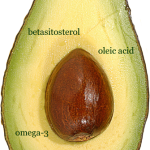
Perhaps the most researched benefit of avocado is its positive impact on heart health. This is primarily attributed to its high content of monounsaturated fats, particularly oleic acid, the same fatty acid found in olive oil. Furthermore, research consistently demonstrates that replacing saturated fats with monounsaturated fats can help lower LDL (“bad”) cholesterol and maintain healthy HDL (“good”) cholesterol levels. A landmark 2022 study published in the Journal of the American Heart Association found that higher avocado consumption was associated with a lower risk of cardiovascular disease.
Additionally, the high potassium content in avocados helps to counterbalance sodium levels in the body, which is a key mechanism for managing high blood pressure.
3. Rich in Protective Antioxidants for Eye Health
Avocado is an excellent source of the carotenoids lutein and zeaxanthin. These specific antioxidants accumulate in the macula of the eye, acting as a natural filter for harmful blue light. Consequently, a diet rich in these compounds is strongly linked to a reduced risk of age-related macular degeneration and cataracts, two leading causes of vision impairment in older adults. Importantly, the healthy fats in avocado also enhance the absorption of these fat-soluble antioxidants, making the fruit a particularly effective source.
4. May Aid in Weight Management and Digestion
Despite being calorie-dense, avocado can be a valuable tool for weight management. The combination of high fiber and healthy fats promotes a strong sense of satiety, which can help reduce overall calorie intake by preventing overeating. Moreover, the substantial fiber content supports a healthy digestive system by promoting regular bowel movements and feeding beneficial gut bacteria.
Administration Protocol and Safety Limits
While avocado is a food, not a medicine, mindful consumption is important for maximizing benefits and avoiding potential issues.
- Recommended Daily Intake: For most healthy adults, consuming half to one medium avocado per day is a reasonable and beneficial amount. This provides significant nutrients without excessive calories.
- Maximum Dose: There is no toxic dose, but excessive consumption can lead to weight gain due to its high calorie and fat content. Therefore, it is best to integrate it into a balanced diet rather than adding it on top of existing calorie intake.
- Method of Consumption: To maximize nutrient absorption, consume avocado with other foods, especially those containing fat-soluble vitamins like carrots (Vitamin A), leafy greens (Vitamin K), and bell peppers.
Specific Biological Limitation
Latex-Fruit Syndrome: Individuals with a latex allergy may experience an allergic reaction to avocado. This cross-reactivity occurs because some proteins in avocado are structurally similar to the allergenic proteins found in natural rubber latex. The immune system mistakenly identifies the avocado proteins as a threat, triggering symptoms that can range from mild oral itching (Oral Allergy Syndrome) to severe anaphylaxis. Consequently, anyone with a known latex allergy should exercise extreme caution and consult an allergist before consuming avocado.
Contraindications and Precautions
While generally safe for most people, certain situations require caution.
- Absolute Contraindications: Individuals with a confirmed avocado allergy or a severe latex allergy should avoid avocado completely.
- Drug Interactions: Avocado contains a moderate amount of Vitamin K, which plays a crucial role in blood clotting. As a result, individuals taking the anticoagulant medication Warfarin (Coumadin) should maintain a consistent intake of Vitamin K-containing foods, including avocado. Sudden increases or decreases in consumption can interfere with the medication’s effectiveness, potentially leading to dangerous clotting or bleeding. Always consult a healthcare provider to manage your diet while on this medication.
- Vulnerable Populations: Avocado is generally considered safe and beneficial during pregnancy, breastfeeding, and for children as part of a balanced diet. Its folic acid content is particularly valuable for fetal development.
Therapeutic Alternatives
If avocado is not suitable due to allergy or preference, other foods can provide similar nutritional benefits:
- For Monounsaturated Fats: Extra virgin olive oil, almonds, and macadamia nuts are excellent alternative sources of heart-healthy oleic acid.
- For Potassium: Bananas are well-known, but sweet potatoes, spinach, and beans often contain even higher levels of this essential mineral for blood pressure regulation.
- For Lutein and Zeaxanthin: Dark leafy greens like kale and spinach, as well as corn and egg yolks, are potent sources of these eye-protective antioxidants.
Recent Medical Research (2020-2026)
Modern research continues to validate and expand upon the health benefits of avocado.
- A 2022 prospective study in the Journal of the American Heart Association involving over 110,000 health professionals found that participants who ate at least two servings of avocado per week had a 16% lower risk of cardiovascular disease and a 21% lower risk of coronary heart disease compared to those who rarely ate avocados.
- A 2023 review in the journal Nutrients highlighted the potential role of avocado consumption in managing metabolic syndrome. The authors concluded that its unique combination of fiber, healthy fats, and bioactive compounds may help improve insulin sensitivity, lipid profiles, and inflammation.
Current Limitations: While the evidence is strong, most studies are observational. More randomized controlled trials are needed to definitively establish cause-and-effect relationships for all of its purported benefits.
Specialist’s Summary
Avocado is a highly nutritious fruit, particularly useful for supporting cardiovascular health through its rich content of monounsaturated fats and potassium. Its benefits for eye health and digestion are also well-supported. However, it is contraindicated for individuals with latex or avocado allergies and requires careful management for those on Warfarin. For most people, incorporating half to one avocado daily is a safe and effective way to enhance a balanced diet.
Frequently Asked Questions
1. How much avocado should I eat per day?
For most healthy adults, half to one medium avocado per day is a beneficial serving size that fits within a balanced diet. This provides key nutrients without contributing excessive calories.
2. Can eating avocado help with weight loss?
Yes, it may help. The high fiber and healthy fat content in avocado promotes satiety, which can help you feel full longer and reduce overall calorie consumption. However, it is still a calorie-dense food, so portion control is essential.
3. Who should not eat avocado?
Individuals with a known allergy to avocado or a severe latex allergy should avoid it. Additionally, people taking the blood thinner Warfarin should consult their doctor about maintaining a consistent intake, as the Vitamin K in avocado can interfere with the medication.
4. Is avocado safe to eat during pregnancy?
Yes, avocado is considered safe and highly beneficial during pregnancy. It is an excellent source of folate (folic acid), which is critical for preventing neural tube defects in the developing fetus. It also provides healthy fats and other essential nutrients for both mother and baby.
Sources and References
Recent Studies (2020-2026):
- Pacheco, L. S., et al. (2022). Avocado Consumption and Risk of Cardiovascular Disease in US Adults. Journal of the American Heart Association, 11(7), e024014. https://www.ahajournals.org/doi/10.1161/JAHA.121.024014
- Comerford, K. B., & Ayoob, K. T. (2023). The Role of Avocados in Maternal Diets during the Periconceptional Period, Pregnancy, and Lactation. Nutrients, 15(8), 1932. https://www.mdpi.com/2072-6643/15/8/1932
⚠️ Important Medical Information
This article is for educational and informational purposes only and is not intended as medical advice, diagnosis, or treatment. The information provided about Avocado is based on traditional use, preliminary research, and available scientific evidence, which may be limited.
Before using Avocado:
- Consult a qualified healthcare provider, especially if you are pregnant, breastfeeding, taking medications, or have existing health conditions like a latex allergy.
- Do not use as a substitute for prescribed medications or professional medical treatment.
- Individual results may vary – what works for one person may not work for another.
- Monitor for adverse reactions and discontinue use if negative symptoms occur.
1 comment
Consommer avec modération pour éviter la prise de poids….