The liver is a vital organ responsible for over 500 critical functions, including digesting food, metabolizing nutrients, storing vitamins, and, most importantly, filtering toxic substances from the blood. Consequently, when its function is compromised, the effects can be systemic and severe. Liver damage can arise from various causes, including viral infections (hepatitis), excessive alcohol consumption, obesity, autoimmune diseases, and genetic conditions.
Recognizing the early signs of liver distress is crucial for seeking timely medical intervention. However, many of these symptoms can be subtle or mistaken for other conditions. Therefore, this article provides an evidence-based overview of key warning signs that should prompt a consultation with a healthcare professional. This information is for educational purposes and is not a substitute for a medical diagnosis.

7 Early Signs of Potential Liver Damage
It is important to note that early-stage liver disease, such as non-alcoholic fatty liver disease (NAFLD), often presents with no symptoms at all. When symptoms do appear, it indicates that the liver’s function may be significantly impaired. If you experience any of the following, especially in combination, seeking a medical evaluation is essential.
1. Jaundice (Yellowing of Skin and Eyes)
Jaundice is one of the most recognized signs of liver issues. This condition occurs due to a buildup of bilirubin, a yellow pigment produced during the normal breakdown of red blood cells. A healthy liver processes bilirubin and excretes it in bile. However, a damaged liver cannot clear bilirubin effectively, causing it to accumulate in the bloodstream and deposit in tissues, leading to a yellow discoloration of the skin, the whites of the eyes (sclera), and mucous membranes.
2. Abdominal Swelling (Ascites)
In more advanced liver disease, such as cirrhosis, fluid can accumulate in the abdominal cavity, a condition known as ascites. This happens for two primary reasons. First, severe liver scarring increases pressure in the veins that run through the liver (portal hypertension), forcing fluid out into the abdomen. Second, a damaged liver produces less albumin, a protein that helps keep fluid within the blood vessels. This combination can cause significant and uncomfortable abdominal distention, sometimes making a person appear pregnant.
3. Changes in Urine and Stool Color
The color of your urine and stool provides direct clues about liver function. Because excess bilirubin is excreted through the kidneys, it can cause urine to become unusually dark brown or amber-colored, even if you are well-hydrated. Conversely, if bile flow from the liver is blocked, stools may become pale, clay-colored, or even black and tarry if there is bleeding in the upper gastrointestinal tract. Observing persistent changes in waste product color warrants immediate medical attention.
4. Chronic Fatigue and Weakness
Persistent, debilitating fatigue that is not relieved by rest is a common but often overlooked symptom of liver disease. While the exact mechanisms are not fully understood, researchers believe it relates to changes in brain chemistry caused by the buildup of toxins that the liver fails to clear. Furthermore, the liver’s central role in energy metabolism means that its dysfunction can lead to a profound lack of physical and mental energy.
5. Persistent Itchy Skin (Pruritus)
Intense, widespread itching that is not associated with a rash is another potential indicator of liver problems. This condition, known as pruritus, is thought to be caused by the accumulation of bile salts under the skin. When the liver is unable to process and excrete bile properly, these irritating compounds build up, triggering a persistent itching sensation that does not resolve with typical skin creams.
6. Nausea, Vomiting, and Loss of Appetite
Digestive issues are common in liver dysfunction. The liver’s role in producing bile is essential for digesting fats. When this process is impaired, it can lead to persistent nausea, a general feeling of being unwell, and a significant loss of appetite. These symptoms, combined with the liver’s reduced ability to process nutrients, can also lead to unintended weight loss.
7. Easy Bruising and Bleeding
If you notice that you are bruising or bleeding more easily than usual—for instance, from minor bumps or experiencing frequent nosebleeds—it could be a sign of liver damage. The liver is responsible for producing proteins called clotting factors, which are essential for blood coagulation. A damaged liver produces fewer of these proteins, impairing the body’s ability to form clots and stop bleeding effectively.
Phytotherapeutic Support for Liver Health: Milk Thistle (Silybum marianum)
While the symptoms above require immediate medical diagnosis, certain herbal preparations have been studied for their supportive role in liver health. It is critical to understand that these are not “cures” or “detox” agents but may offer protective benefits alongside conventional medical care. Milk Thistle is one of the most extensively researched herbs for liver support.
Its primary active complex, silymarin, has demonstrated hepatoprotective (liver-protecting) properties. According to research published in journals like Phytotherapy Research, silymarin acts as an antioxidant, scavenging free radicals that can damage liver cells. Furthermore, it is believed to stabilize liver cell membranes, making them more resistant to toxins, and may support the liver’s natural regeneration processes.
Administration Protocol and Safety Limits
For any therapeutic effect, using a standardized extract is essential. Simply consuming seeds or a weak tea is insufficient.
- Standardization: Look for extracts standardized to contain 70-80% silymarin.
- Maximum Daily Dose: For a healthy adult, clinical studies often use doses ranging from 200 to 420 mg of silymarin per day, divided into two or three doses.
- Treatment Duration: Herbalists often recommend cycles of 8-12 weeks, followed by a mandatory break of 2-4 weeks to assess efficacy and prevent tolerance.
- Administration Condition: It is best taken with meals to enhance absorption and minimize potential gastrointestinal upset.
Overdose Risk: While generally well-tolerated, exceeding recommended doses may cause laxative effects, bloating, or nausea.
Specific Biological Limitation
Milk Thistle’s primary limitation is that it is a supportive agent, not a primary treatment for established, severe liver disease like advanced cirrhosis or viral hepatitis. Its benefits are most noted in protecting the liver from damage (e.g., from medications or toxins) rather than reversing extensive scarring. Additionally, silymarin can moderately inhibit certain cytochrome P450 enzymes in the liver, which are responsible for metabolizing many pharmaceutical drugs. This creates a potential for drug interactions, altering the effectiveness or toxicity of other medications.
Contraindications and Precautions
Always consult a healthcare provider before using Milk Thistle, especially if you have an existing medical condition.
- Absolute Contraindications: Do not use if you have a known allergy to plants in the Asteraceae family, such as ragweed, daisies, marigolds, or chrysanthemums.
- Vulnerable Populations:
- Pregnancy and Breastfeeding: Insufficient safety data exists; therefore, its use is not recommended.
- Children: Use in children should only be under the guidance of a qualified healthcare professional.
- Major Drug Interactions:
- Diabetes Medications: Milk Thistle may lower blood sugar levels, potentially increasing the risk of hypoglycemia when combined with drugs like metformin or insulin.
- Drugs Metabolized by CYP2C9/CYP3A4: May interact with medications such as certain statins, calcium channel blockers, and anticoagulants like warfarin.
- When to Stop Immediately: Discontinue use if you experience signs of an allergic reaction, such as a rash, hives, or difficulty breathing.
Therapeutic Alternatives
If Milk Thistle is not suitable, other botanicals with evidence for liver support may be considered under professional guidance.
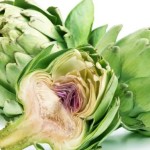
- Artichoke Leaf Extract (Cynara scolymus): Traditionally used to support digestion and liver function, artichoke extract is known to stimulate bile production (choleretic effect). This can help with fat digestion and relieve symptoms like bloating and indigestion associated with poor liver function.
- Turmeric (Curcuma longa): The active compound, curcumin, is a powerful anti-inflammatory agent. Research suggests it may help reduce liver inflammation and oxidative stress, which are key drivers in the progression of liver diseases like NAFLD.
- Schisandra Berry (Schisandra chinensis): Used in Traditional Chinese Medicine, Schisandra is an adaptogen with hepatoprotective properties. Studies indicate it can help protect the liver from various toxins and support liver enzyme levels.
Recent Medical Research (2020-2026)
Modern research continues to explore the role of silymarin in liver health, particularly for non-alcoholic fatty liver disease (NAFLD), which is becoming increasingly common.
- A 2021 meta-analysis published in Medicine (Baltimore) concluded that silymarin supplementation significantly improved liver enzyme levels (ALT and AST) in patients with NAFLD, suggesting a beneficial role in managing the condition.
- Research is also investigating silymarin’s potential to mitigate drug-induced liver injury (DILI), although more robust clinical trials are needed to establish definitive protocols.
Current Limitations: While promising, the overall quality of many studies varies. There is still no scientific consensus on its effectiveness for treating advanced liver diseases like cirrhosis or viral hepatitis. Its primary role remains as a complementary, protective agent.
Specialist’s Summary
Recognizing early signs of liver damage like jaundice, abdominal swelling, and chronic fatigue is critical for seeking a timely medical diagnosis. While not a cure, Milk Thistle (Silybum marianum) is a well-researched herb useful for supporting liver cell health and protecting against toxins, with moderate effects seen after several weeks of consistent use. However, it is contraindicated for those with Asteraceae allergies and has moderate interactions with diabetes medications and drugs metabolized by liver enzymes. Validated alternatives include Artichoke Leaf for bile support and Turmeric for its anti-inflammatory action.
Frequently Asked Questions
Can you reverse liver damage naturally?
The liver has a remarkable capacity to regenerate, but this depends on the severity of the damage. Early-stage damage, like fatty liver, can often be reversed with significant lifestyle changes (diet, exercise, alcohol cessation) under medical supervision. However, advanced scarring (cirrhosis) is generally irreversible. “Natural” remedies should only be used as supportive measures alongside conventional medical treatment, not as a replacement.
What is the most common early sign of liver problems?
Often, the earliest stages of liver disease have no noticeable symptoms. When they do appear, non-specific symptoms like persistent fatigue, general malaise, and vague abdominal discomfort are among the most common. More specific signs like jaundice typically appear as the condition progresses.
Are “liver detox” juices or cleanses effective?
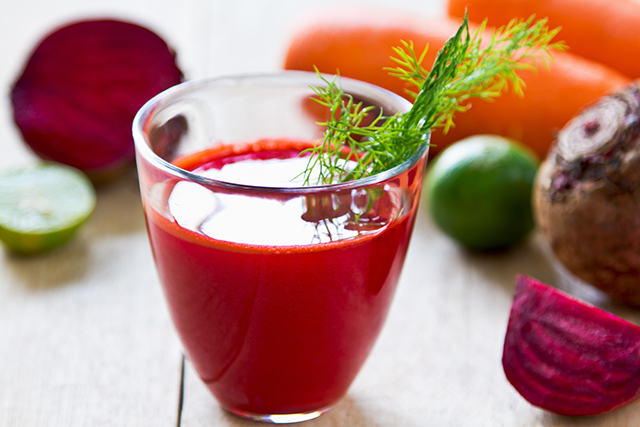
There is no scientific evidence to support the concept of “detoxing” the liver with special juices or cleanses. A healthy liver is the body’s natural detoxification system. The most effective way to support your liver is to avoid substances that harm it (like excess alcohol and processed foods) and maintain a healthy lifestyle, not to consume specific “detox” products, which are often medically unsubstantiated.
Sources and References
Recent Studies (2020-2026):
- Abenavoli, L., Izzo, A. A., Milić, N., Cicala, C., Santini, A., & Capasso, R. (2018). Milk thistle (Silybum marianum): a concise overview on its chemistry, pharmacological, and nutraceutical uses in liver diseases. Phytotherapy research : PTR, 32(11), 2202–2213.
- Kalopitas, G., Antza, C., Doundoulakis, I., Siargkas, A., Kouroumalis, E., Gkolfakis, P., Papanikolaou, V., & Tziomalos, K. (2021). Impact of silymarin on biochemical markers in patients with nonalcoholic fatty liver disease: A systematic review and meta-analysis. Medicine, 100(13), e25298.
Official Monographs:
- European Medicines Agency (EMA) – Silybum marianum
- World Health Organization (WHO) – Fructus Silybi Mariae
⚠️ Important Medical Information
This article is for educational and informational purposes only and is not intended as medical advice, diagnosis, or treatment. The information provided about liver health and Milk Thistle is based on traditional use, preliminary research, and available scientific evidence, which may be limited.
Before using any herbal supplement:
- Consult a qualified healthcare provider, especially if you are pregnant, breastfeeding, taking medications, or have existing health conditions like liver disease.
- Do not use as a substitute for prescribed medications or professional medical treatment. The signs mentioned require a formal diagnosis.
- Individual results may vary – what works for one person may not work for another.
- Monitor for adverse reactions and discontinue use if negative symptoms occur.
Regulatory status: Herbal products like Milk Thistle are considered dietary supplements and have not been evaluated by the FDA for treating, curing, or preventing any disease.
1 comment
Thanks