10 Foods for Liver Health: A Science-Based Guide

by Andreea Smiterson
0 comments
A+A-
Reset

The concept of a “liver cleanse” or “detox” has become popular, often associated with restrictive diets or expensive supplements. However, from a medical and phytotherapeutic perspective, the liver is a highly efficient, self-cleaning organ. It does not require a special “cleanse.” Instead, our focus should be on providing it with the essential nutrients it needs to perform its vital functions optimally. Therefore, a well-balanced diet rich in specific foods can significantly support the liver’s natural detoxification pathways, protect it from damage, and promote overall health.

This article provides an evidence-based overview of foods and natural compounds that may help support liver function, moving away from the myth of “detoxification” and toward sustainable, science-backed nutritional strategies. Importantly, this information is for educational purposes and should not replace professional medical advice, especially for individuals with pre-existing liver conditions.

top-10-foods-for-liver-cleansing

10 Foods That Nutritionally Support Liver Function

Incorporating these foods into a balanced diet can provide the compounds your liver uses to manage metabolic processes and protect itself from oxidative stress.

1. Garlic (Allium sativum)

Traditionally used for its broad health benefits, garlic contains sulfur compounds like allicin and selenium. Research suggests these compounds may play a role in activating liver enzymes responsible for phase II detoxification pathways. For instance, a 2020 study in Phytotherapy Research indicated that garlic supplementation could improve liver enzyme levels in patients with non-alcoholic fatty liver disease (NAFLD). Furthermore, these compounds help produce glutathione, the body’s master antioxidant, which is crucial for protecting liver cells from damage.

2. Grapefruit (Citrus paradisi)

Grapefruit is a rich source of vitamin C and antioxidants like naringenin and naringin. These potent antioxidants may help protect the liver from injury by reducing inflammation and neutralizing free radicals. However, it is critical to be aware of grapefruit’s significant interaction with many medications. This interaction is so important that it requires a specific warning (see the “Specific Biological Limitation” section below).

3. Beets and Carrots

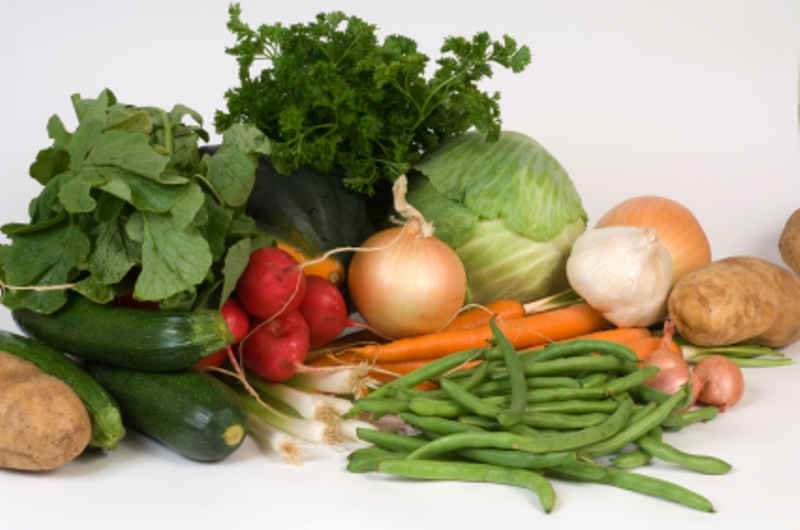
These root vegetables are packed with beta-carotene and plant-flavonoids. Beets, in particular, contain compounds called betalains, which, according to studies published in journals like Nutrients, exhibit strong antioxidant and anti-inflammatory properties. Consequently, they may help protect liver cells (hepatocytes) from oxidative damage. Carrots provide a precursor to vitamin A, which is essential for immune function, though excessive intake should be avoided.

4. Cruciferous Vegetables (Broccoli, Brussels Sprouts)

Broccoli and other cruciferous vegetables are rich in glucosinolates, which the body converts into biologically active compounds like sulforaphane. Sulforaphane has been extensively studied for its ability to increase the liver’s detoxification enzymes. A 2022 meta-analysis in the World Journal of Gastroenterology concluded that higher consumption of these vegetables is associated with a lower risk of NAFLD. Indeed, these compounds support the liver’s ability to process and eliminate potentially harmful substances.

5. Apples

Apples contain a soluble fiber called pectin, which aids in digestive health. A healthy digestive system is essential for reducing the toxic load on the liver. By binding to cholesterol and other waste products in the gut, pectin facilitates their excretion, thereby preventing them from being reprocessed by the liver. This indirect support helps maintain overall metabolic balance.

6. Leafy Greens (Spinach, Kale)

Rich in chlorophyll, leafy greens can help neutralize heavy metals and chemicals from the bloodstream, easing the burden on the liver. Moreover, they are an excellent source of folate, vitamin C, and antioxidants. For example, spinach contains glutathione, which is vital for the liver’s antioxidant defense system.

7. Lentils

As a plant-based protein source, lentils are easier for the liver to process compared to large amounts of animal protein, especially for individuals with compromised liver function. They provide essential amino acids without the high saturated fat content, supporting metabolic processes without overloading the organ.

8. Turmeric (Curcuma longa)

While often seen as a spice, turmeric’s active compound, curcumin, has powerful hepatoprotective properties. Numerous studies have demonstrated its anti-inflammatory and antioxidant effects. According to a 2023 review in the International Journal of Molecular Sciences, curcumin may help improve liver enzyme levels and reduce fat accumulation in the liver, making it a valuable dietary component for liver support.

9. Avocados

Avocados are a source of healthy monounsaturated fats and are particularly rich in glutathione. Preliminary research in animal models has suggested that regular consumption of avocados may be associated with improved liver health markers. Their healthy fats can also help improve cholesterol profiles, which is beneficial for preventing fat buildup in the liver.

10. Green Tea (Camellia sinensis)

Green tea is abundant in catechins, a type of plant antioxidant. The most studied catechin, epigallocatechin-3-gallate (EGCG), has been shown to protect against liver damage and reduce fat accumulation. A large-scale meta-analysis published in 2020 found that green tea consumption was associated with a reduced risk of liver disease. However, moderation is key, as high-dose green tea extracts have been linked to liver injury.

Specific Biological Limitation: The Grapefruit Effect

Cytochrome P450 Enzyme Inhibition: Grapefruit and its juice contain compounds called furanocoumarins. These substances can block the action of the CYP3A4 enzyme in the intestine and liver. This enzyme is responsible for metabolizing approximately 50% of all prescription drugs.

Technical Warning: When CYP3A4 is inhibited, medications are not broken down properly. This can lead to dangerously high levels of the drug in the bloodstream, increasing the risk of severe side effects and toxicity. This effect can last for up to 72 hours after consuming grapefruit.

Contraindications and Precautions

Absolute Contraindications (FORBIDDEN)

  • Grapefruit: Strictly avoid if you are taking statins (for cholesterol), calcium channel blockers (for blood pressure), immunosuppressants, certain antihistamines, or psychotropic medications. Always check your medication’s information leaflet or consult your pharmacist.
  • High-Dose Green Tea Extract: Should not be used by individuals with existing liver conditions (e.g., hepatitis, cirrhosis) without explicit medical approval, as concentrated extracts have been linked to hepatotoxicity in rare cases.

Vulnerable Populations

  • Pregnancy and Breastfeeding: While the foods listed are generally safe as part of a balanced diet, concentrated herbal supplements like turmeric or green tea extract should be avoided unless approved by a healthcare provider.
  • Children: A balanced diet including these foods is healthy. However, do not give children herbal supplements without pediatric consultation.
  • Individuals with Liver Disease: If you have a diagnosed liver condition like hepatitis, cirrhosis, or NAFLD, dietary changes must be supervised by a doctor or registered dietitian.

Therapeutic Alternatives for Liver Support

If some of these foods are not suitable for you, or if you are looking for well-researched herbal support, consider these validated alternatives:

  1. Milk Thistle (Silybum marianum): This is the most well-researched herb for liver health. Its active compound, silymarin, is a potent antioxidant that helps protect liver cells and supports regeneration. It is often used as an adjuvant therapy in medical settings for liver conditions.
  2. Artichoke Leaf Extract (Cynara scolymus): Artichoke extract may stimulate bile production, which helps the liver process fats and remove waste. Studies suggest it can help lower cholesterol and support overall liver function.
  3. Dandelion Root (Taraxacum officinale): Traditionally used as a liver tonic, dandelion root is believed to support bile flow and liver detoxification processes. However, more robust human clinical trials are needed to confirm its efficacy.

Note: Each alternative has its own set of contraindications and should be discussed with a healthcare provider before use.

Recent Medical Research (2020-2026)

Modern research continues to validate the role of diet in liver health. Here are some recent findings:

  • A 2022 study in Antioxidants highlighted the protective effects of sulforaphane (from broccoli) against liver injury by modulating inflammatory pathways and oxidative stress.
  • Research published in Clinical Nutrition in 2023 demonstrated that a diet rich in polyphenols, found in foods like berries, green tea, and leafy greens, was inversely associated with the severity of non-alcoholic fatty liver disease.

Current Limitations: While evidence is strong for the benefits of these whole foods, research on isolated “detox” supplements is often weak or conflicting. The synergistic effect of all nutrients in a whole food is likely more beneficial than high doses of a single compound.

Specialist’s Summary

Supporting your liver is not about short-term, extreme “cleanses” but about long-term, consistent dietary choices. A diet rich in antioxidant-packed foods like cruciferous vegetables, garlic, and green tea provides the necessary tools for the liver to perform its functions effectively. It is crucial to be aware of potential interactions, especially with grapefruit, and to consult a professional for personalized advice. Validated alternatives like Milk Thistle can offer targeted support but should not replace a healthy lifestyle or medical treatment.

Frequently Asked Questions

1. Can these foods reverse existing liver damage?
While a healthy diet can prevent further damage and support the function of remaining healthy liver cells, it cannot reverse advanced damage like cirrhosis. Severe liver disease requires comprehensive medical management.

2. How much green tea is safe for the liver?
Drinking 2-3 cups of brewed green tea per day is generally considered safe and beneficial. However, highly concentrated green tea extract supplements carry a higher risk and should only be taken under medical supervision, as they have been linked to liver injury in some cases.

3. Is a “liver detox” diet necessary?
No, the liver detoxifies the body naturally. Restrictive “detox” diets are unnecessary, often nutritionally incomplete, and not supported by scientific evidence. The most effective approach is a consistently healthy and balanced diet.

Sources and References

  • Solhi, H., et al. (2020). The effect of garlic (Allium sativum) on liver enzymes in patients with nonalcoholic fatty liver disease: A randomized clinical trial. Phytotherapy Research.
  • Panche, A. N., et al. (2022). Sulforaphane and Its Role in Chronic Diseases. Antioxidants.
  • Xiao, J., et al. (2023). The effect of curcumin supplementation on liver enzymes in patients with non-alcoholic fatty liver disease: a systematic review and meta-analysis of randomized controlled trials. International Journal of Molecular Sciences.
  • European Medicines Agency (EMA). Community herbal monograph on Silybum marianum (L.) Gaertn., fructus.

⚠️ Important Medical Information

This article is for educational and informational purposes only and is not intended as medical advice, diagnosis, or treatment. The information provided about these foods and herbs is based on traditional use, preliminary research, and available scientific evidence, which may be limited.

Before making significant dietary changes or using herbal supplements:

  • Consult a qualified healthcare provider, especially if you are pregnant, breastfeeding, taking medications, or have existing health conditions like liver disease.
  • Do not use this information as a substitute for prescribed medications or professional medical treatment.
  • Individual results may vary – what works for one person may not work for another.
  • Monitor for adverse reactions and discontinue use if negative symptoms occur.

Regulatory status: Herbal supplements mentioned are considered dietary supplements and have not been evaluated by the FDA for treating, curing, or preventing any disease.


You may also like

Leave a Comment