Exploring Natural Antimicrobials: An Evidence-Based Guide to Supportive Botanicals

by Elena Martin
2 comments
A+A-
Reset

The use of botanicals with antimicrobial properties has a long history in traditional medicine for supporting the body’s defenses against minor infections and promoting healing. As scientific interest grows, researchers are investigating these natural compounds, not as replacements for conventional antibiotics, but as potential complementary therapies. It is crucial, however, to understand their appropriate uses, limitations, and safety profiles to avoid harm and the dangerous delay of necessary medical treatment.

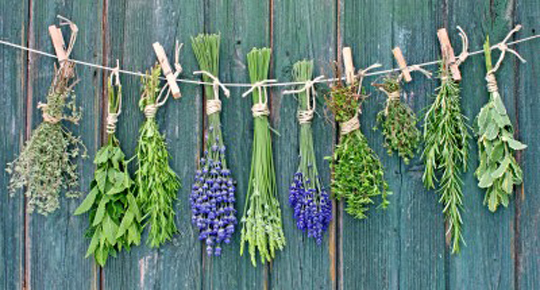
Hanging_Herbs

This article explores several well-researched botanicals and natural products, focusing on their evidence-based applications and essential safety protocols.

⚠️ **CRITICAL WARNING – Do Not Replace Prescription Antibiotics!**
*Natural remedies should never be used to self-treat serious bacterial infections such as pneumonia, sepsis, meningitis, or deep tissue infections. Delaying or replacing prescribed antibiotic therapy for such conditions can lead to severe complications, permanent disability, or death. Always consult a qualified healthcare professional for a proper diagnosis and treatment plan.*

1. Garlic (Allium sativum)

Garlic is renowned for its potent antimicrobial properties, which are primarily attributed to a sulfur compound called allicin. Allicin is formed only when a garlic clove is crushed or chopped and is responsible for its characteristic pungent aroma. Research indicates that allicin exhibits broad-spectrum activity against various bacteria, fungi, and viruses. Consequently, herbalists often recommend it for supporting immune function during colds and minor infections.

Administration Protocol and Safety Limits

  • Treatment Duration: For therapeutic purposes, use in cycles of 10-14 days, followed by a 7-day break. Culinary use is generally not restricted.
  • Maximum Daily Dose: 2-4 fresh cloves (approximately 4-8 grams) per day for a healthy adult.
  • Dose Per Administration: 1-2 cloves, 2 times per day.
  • Administration Condition: For maximum allicin release, crush or chop the garlic and let it sit for 10-15 minutes before consumption. It is best consumed raw (e.g., in salads or mixed with honey) as heat deactivates allicin. Taking it with food can help minimize gastric irritation.
  • Overdose Risk: Exceeding 5 cloves per day may significantly increase the risk of gastrointestinal upset, bad breath, and potential bleeding complications.

Specific Biological Limitation

Garlic’s active compounds, particularly ajoene and other sulfur derivatives, possess antiplatelet properties. This means they can inhibit the ability of blood platelets to clump together, which is a crucial step in blood clotting. While this can be beneficial for cardiovascular health, it becomes a significant risk for individuals with bleeding disorders or those scheduled for surgery.

Contraindications and Precautions

  • Absolute Contraindications: Individuals with bleeding disorders (e.g., hemophilia), active stomach ulcers, or a known allergy to garlic. It should be discontinued at least two weeks before any scheduled surgery.
  • Vulnerable Populations:
    • Pregnancy/Breastfeeding: Generally safe in food amounts, but high therapeutic doses are not recommended due to a lack of safety data.
    • Children: Use with caution and in much smaller doses. Not recommended for infants.
  • Major Drug Interactions:
    • Anticoagulants (e.g., Warfarin) and Antiplatelet drugs (e.g., Aspirin, Clopidogrel): Garlic significantly increases the risk of bleeding. This combination requires medical supervision.
    • HIV Protease Inhibitors (e.g., Saquinavir): Garlic can reduce the effectiveness of these medications.
  • Documented Adverse Effects: Common effects include breath and body odor, heartburn, and stomach upset.

2. Echinacea (Echinacea purpurea)

Echinacea is one of the most popular herbs for immune support. Rather than acting as a direct antibiotic that kills pathogens, it functions as an immunomodulator. This means it helps stimulate the body’s own immune cells, such as macrophages and natural killer cells, making them more effective at fighting off pathogens. For this reason, it is primarily used for the prevention and early treatment of upper respiratory infections like the common cold.

Administration Protocol and Safety Limits

  • Treatment Duration: Best used for short periods. Take for 7-14 days at the first sign of illness. Continuous long-term use is not recommended as it may decrease efficacy.
  • Mandatory Break: A break of at least 7 days is advised between treatment cycles.
  • Maximum Daily Dose: Varies by preparation. Follow the manufacturer’s instructions on standardized products (capsules or tinctures).
  • Administration Condition: Take with a small amount of water. It can be taken with or without food. Efficacy is highest when started within 24-48 hours of symptom onset.

Specific Biological Limitation

Echinacea’s primary mechanism involves stimulating the immune system. This effect, while beneficial for fighting acute infections in healthy individuals, can be dangerous for people with autoimmune diseases. In conditions like rheumatoid arthritis, lupus, or multiple sclerosis, the immune system is already overactive and mistakenly attacks the body’s own tissues. Stimulating it further could potentially exacerbate the condition or trigger a flare-up.

Contraindications and Precautions

  • Absolute Contraindications: Individuals with autoimmune diseases, tuberculosis, or HIV/AIDS. Also forbidden for those with allergies to the Asteraceae (daisy) family, which includes ragweed, chrysanthemums, and marigolds.
  • Vulnerable Populations:
    • Pregnancy/Breastfeeding: Consult a healthcare provider before use; safety is not well-established.
    • Children: Some studies suggest a risk of rash in young children. Consult a pediatrician.
  • Major Drug Interactions:
    • Immunosuppressants (e.g., Cyclosporine, Tacrolimus): Echinacea may counteract the effects of these drugs, which is particularly dangerous for organ transplant recipients.
    • Caffeine: Echinacea can slow the breakdown of caffeine, potentially increasing its side effects like jitteriness and headache.

3. Goldenseal (Hydrastis canadensis)

Goldenseal contains a powerful alkaloid called berberine, which is responsible for its antimicrobial effects. Berberine has been shown to inhibit the growth of bacteria and protozoa, particularly on mucous membranes. Traditionally, it has been used for infections of the sinuses, throat, and urinary tract. It also appears to prevent bacteria, such as E. coli, from adhering to bladder walls.

⚠️ Ethical Consideration: Goldenseal is an endangered plant due to overharvesting. As a responsible alternative, consider using other berberine-containing plants that are more sustainable, such as Oregon Grape (Mahonia aquifolium) or Barberry (Berberis vulgaris).

Administration Protocol and Safety Limits

  • Treatment Duration: Strictly for short-term use. Do not exceed 7-10 consecutive days.
  • Maximum Daily Dose: Dependent on standardized berberine content. Typically 500-1500 mg of berberine daily, in divided doses.
  • Administration Condition: Take with meals to reduce potential gastrointestinal irritation. Ensure adequate hydration.

Specific Biological Limitation

Berberine can displace bilirubin from its binding sites on albumin, a protein in the blood. This can lead to an increase in free bilirubin levels in the bloodstream. In newborns, whose livers are not fully developed to process bilirubin, this can lead to a dangerous condition called kernicterus (a type of brain damage). Therefore, its use is absolutely forbidden in pregnant women and infants.

Contraindications and Precautions

  • Absolute Contraindications: Pregnancy (it can stimulate uterine contractions), breastfeeding, and use in infants and young children.
  • Major Drug Interactions:
    Drug Class Interaction and Consequence
    Metformin Berberine can enhance the blood-sugar-lowering effect, increasing the risk of hypoglycemia.
    Cyclosporine Berberine can increase levels of this immunosuppressant, raising the risk of toxicity.
    Blood Thinners May have a mild blood-thinning effect, use with caution alongside anticoagulants.
  • Documented Adverse Effects: Nausea, vomiting, and digestive upset are common.

4. Olive Leaf Extract (Olea europaea)

Olive leaf extract contains a potent compound called oleuropein, which has demonstrated significant antiviral, antibacterial, and antifungal properties in laboratory studies. It is believed to work by interfering with pathogen replication and stimulating phagocytosis, a process where immune cells engulf and destroy microbes. It is often used to support the immune system during viral infections like influenza or the common cold.

Administration Protocol and Safety Limits

  • Treatment Duration: Can be used for up to 4 weeks for an acute issue, followed by a 1-2 week break.
  • Maximum Daily Dose: Typically 500-1000 mg of a standardized extract (containing 15-20% oleuropein) per day.
  • Frequency: Divided into two doses per day.
  • Administration Condition: Can be taken with or without food. If stomach upset occurs, take it with a meal.

Specific Biological Limitation

Oleuropein has a well-documented hypotensive (blood pressure-lowering) effect. This is beneficial for individuals with hypertension but can be problematic for those who already have low blood pressure (hypotension). Taking olive leaf extract could cause their blood pressure to drop to unsafe levels, leading to symptoms like dizziness, lightheadedness, and fainting.

Contraindications and Precautions

  • Absolute Contraindications: Individuals with hypotension (low blood pressure) or a known allergy to olives.
  • Vulnerable Populations:
    • Pregnancy/Breastfeeding: Insufficient data available; consult a healthcare professional.
  • Major Drug Interactions:
    • Antihypertensive Drugs: May amplify the effect of blood pressure medications, increasing the risk of hypotension.
    • Diabetes Medications: May lower blood sugar levels, potentially increasing the risk of hypoglycemia when combined with insulin or other antidiabetic drugs.
  • Documented Adverse Effects: Some individuals may experience a “Herxheimer reaction” (die-off effect) as pathogens are eliminated, leading to temporary fatigue, headache, or muscle aches.

Therapeutic Alternatives

If the botanicals listed above are not suitable, other evidence-based options may be considered for immune support:

  • Oregano Oil (Origanum vulgare): Contains carvacrol, a powerful antimicrobial agent. It is very potent and must be diluted properly before use. It is particularly noted for its effectiveness against bacterial and fungal pathogens.
  • Manuka Honey (Topical Use): For external applications, medical-grade Manuka honey is an excellent choice for wound and burn care due to its high methylglyoxal (MGO) content, which provides strong, localized antibacterial action. It is not a treatment for systemic infections.

Note: Each alternative has its own distinct set of contraindications and safety protocols.

Recent Medical Research (2020-2026)

Recent scientific inquiry continues to validate and clarify the mechanisms of these natural compounds.

  • A 2023 review on Allium sativum (garlic) highlighted the significant potential of its organosulfur compounds in combating antibiotic-resistant bacteria, suggesting a role in future combination therapies.
  • A 2022 meta-analysis on Echinacea for preventing and treating common colds concluded that it shows weak but positive effects, particularly in reducing the duration of symptoms when taken early.
  • Research published in 2024 on berberine continues to explore its role in modulating gut microbiota, which indirectly supports immune health and may help manage low-grade inflammation associated with metabolic disorders.

Current Limitations: A significant gap remains between in-vitro (lab) results and large-scale human clinical trials. More research is needed to establish standardized, effective, and safe dosages for many conditions.

Specialist’s Summary

Botanicals like Garlic, Echinacea, and Olive Leaf Extract offer valuable support for the immune system, particularly for minor, self-limiting conditions like the common cold. Their effects are generally supportive rather than curative and appear after consistent, short-term use. However, they are strongly contraindicated in specific situations (e.g., Goldenseal in pregnancy, Echinacea with autoimmune disease) and have clinically significant interactions with medications like anticoagulants and immunosuppressants. Always prioritize professional medical advice for any suspected infection.

Frequently Asked Questions

Can natural antimicrobials replace prescription antibiotics?
Absolutely not. For serious bacterial infections, prescription antibiotics are life-saving and irreplaceable. Natural remedies should only be considered for supporting the body during minor ailments or as a complementary therapy under professional guidance.

Which is the most powerful natural antimicrobial?
There is no single “most powerful” one. The effectiveness depends on the specific pathogen and the application. For example, garlic has broad-spectrum activity, oregano oil is potent against certain bacteria and fungi, and topical Manuka honey is excellent for skin infections.

Are natural remedies safe because they come from plants?
No. “Natural” does not automatically mean “safe.” Many plants contain powerful chemical compounds that can cause severe side effects, trigger allergic reactions, and interact dangerously with prescription medications. Always adhere to safety protocols and consult a professional.

Sources and References

Recent Studies (2020-2026):

  1. Getti, G., & Poole, K. (2023). The “Spice of Life”: A Review of the Antibacterial Properties of Allium sativum (Garlic) and Its Organosulfur Compounds against Pathogenic Bacteria. Antibiotics (Basel, Switzerland), 12(2), 403. https://doi.org/10.3390/antibiotics12020403
  2. David, S., & Cunningham, R. (2022). Echinacea for preventing and treating the common cold. Cochrane Database of Systematic Reviews.

Official Monographs:

  • World Health Organization (WHO). (1999). WHO Monographs on Selected Medicinal Plants – Volume 1. [Includes monographs on Allium sativum and Echinacea purpurea].
  • European Medicines Agency (EMA) – Committee on Herbal Medicinal Products (HMPC). [Monographs available for various herbs via their public database].


You may also like

2 comments

Chris Gaffney
Chris Gaffney June 28, 2014 - 19:24

Also great to put in your drawers !

Reply
Chris Gaffney via Facebook June 28, 2014 - 19:24

Also great to put in your drawers !

Reply

Leave a Comment