Natural antibiotics are available to you right at your kitchen easily
Over the last several decades, over-use of antibiotics has reached an all-time high. The result has been drug-resistant bacteria and “superbugs” that evolve faster than scientists can figure out how to fight them. A future where bacteria are at the top of the food chain is not unheard of.
Long before there were pharmaceutical antibiotics – developed in the 1940s, there were foods and herbs that helped guard against infection and disease on a daily basis. Many of these natural defenders are still in use today with holistic healers around the globe.
Instead of waiting until you get sick or discover that drugs don’t work on whatever strain of virus or disease you have, you can start building up your immune system in advance.
These foods and herbs haven’t lost their ability to fight bacteria. Bugs do not become immune or resistant to them. From hundreds of years ago to our modern time, what worked then still works today

Garlic
Flavorful and wonderful on a piece of butter toast, this plant also has very powerful qualities to it. Garlic can fight such simple infections as the common cold, pushing the germs away before they have a change to disrupt your life. Using the allicin that it contains, garlic protects against yeast, parasites, bacteria, and more. If you are looking for a simple way to live healthier, add more garlic to your diet.
Honey
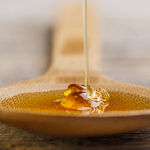
Ancient Romans used honey on the battlefield to treat wounds and prevent infection.
Civilizations all over the world continue to consider honey one of the best natural antibiotics, antimicrobials, anti-inflammatories, and antiseptics known to man after thousands of years.
New Zealand’s Manuka honey has been proven to have the highest levels of antioxidants and curative powers.
An enzyme found in honey releases hydrogen peroxide. This process helps your body fight infection and prevents the growth of bacteria. Soothing to the digestive system, honey removes toxins from the blood and helps your liver operate more efficiently.
A great boost to the immune system, consider combining honey with cinnamon to strengthen your white blood cells! Raw, organic honey is the best option since most pasteurization methods kills the antioxidant effects.
Turmeric
This spice isn’t just rich in color and flavor, but it also products your body against harm. Turmeric and be both consumed and applied externally, making it a great choice for fighting against bacteria. For extra benefit, from combining two bacteria fighting substances, you can mix turmeric with honey and create a paste to apply to infected areas on your skin.
You can protect your body against infections and bacteria based sicknesses by taking advantage of these safe and natural remedies that are available in the average kitchen. Protect your body without the use of prescription drugs by using honey, oregano, garlic, echinacea, and turmeric.
Grapefruit Seed Extract
The Journal of Alternative and Complementary Medicine published a study that found grapefruit seed extract (GSE) effective against more than 800 forms of viruses and bacteria, more than a hundred strains of fungus, and many parasites.
High in many antioxidants, GSE boosts immunity, alkalizes the body naturally, and aids in digestion by improving your beneficial gut flora.
Echinacea
So, you might not have as much experience with this product, but it is a safe herb that is found in many kitchens. The consumption of this herb has been proven to reduce the amount of colds that a person deals with in their life, and shorten the colds that the person does have to face. This herb is a great choice when taken as a preventative measure.
Cabbage
There are sulfur compounds found in cabbage – a member of the cruciferous family that includes broccoli and kale – that have been shown effective as cancer fighters.
What many people don’t realize is how much vitamin C is found in cabbage. One cup provides 75% of what you need every day.
Naturally antibacterial, eating shredded raw cabbage in your salad, as a side dish in the form of slaw, or drinking fresh cabbage juice (with honey added to sweeten) is an excellent way to improve digestion, prevent disease, and even manage your weight!
Oregano and the oil of oregano
You’ve probably used oregano as a flavoring in your favorite Italian dishes without even realizing the health benefits that it contains. Beyond its antibacterial properties, oregano can help with digestion and aid in weight loss. An oil that is found in oregano, Carvacrol, has been found to fight the bacteria that can lead to infections. The oil of oregano has been found to treat digestive infections, and even one particular yeast infection. It is more than just a food flavoring.
Raw Apple Cider Vinegar (ACV)
The far-reaching benefits of daily doses of apple cider vinegar (ACV) include antibiotic and antiseptic properties, naturally alkalizing your system, and can aid you in everything from managing your weight to lowering cholesterol and your risk of cancer.
A chemical-free astringent, ACV can be used topically to disinfect and sterilize.
Extra Virgin Coconut Oil
There is not enough that can be said for the benefits of coconut oil. It has naturally occurring anti-fungal and anti-microbial properties and is packed with antioxidants you can’t find anywhere else in nature.
Use it to boost your immune system, balance thyroid, cholesterol, and blood sugar levels, and even improve brain function. Safe to use internally and externally, coconut oil is one of the most versatile and unique gifts from Mother Nature.
Stir a spoonful into your morning coffee for added energy and a clearer head all day.
Colloidal Silver
A natural antibiotic, colloidal silver is a mixture of silver particles suspended in fluid that have been used for centuries.
This treatment is temporary since too much silver – a heavy metal – can be toxic. However, it disables the enzyme that single-cell bacteria require to multiply. Deprived of their oxygen supply, the bacteria and viruses are destroyed without damage to you.
Fermented Foods
Probiotics are one of the most incredible discoveries in the last decade. They work to boost and preserve the natural gut flora (good bacteria) found in your digestive system.
Research has proven that a balanced gut is one of the keys to overall wellness and cancer prevention.
These good bacteria are so critical to your health that doctors now recommend a probiotic while their patients are on prescription antibiotics.
Fermented foods are packed with antioxidants and microorganisms that your body processes far better than supplements.
Unpasteurized sauerkraut, apple cider vinegar, raw pickles, probiotic yogurt, and kim chi (a Korean cabbage dish) are excellent ways to improve the balance in your intestines.



Echinacea is safe to use but it is mildly toxic, so the doses need to be monitored carefully xx
Homeopathic remedy = similar symptoms caused thus causing the body to clear out the toxins. Hence why good for colds, skin issues and the like x
Very informative