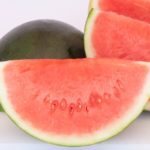
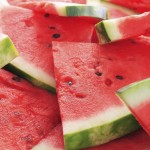
While many people discard them, watermelon seeds are a nutrient-dense food that has been consumed in various cultures for centuries, particularly in Asia and the Middle East where they are often roasted and seasoned. From a phytotherapy perspective, these seeds are not a potent medicinal remedy but rather a functional food, offering significant nutritional value that can support overall health, particularly cardiovascular and metabolic function. This article provides an evidence-based overview of their benefits, safe consumption methods, and potential limitations.
Understanding their value begins with recognizing that, like many seeds, they are a concentrated source of minerals, healthy fats, and proteins.

Nutritional Profile of Watermelon Seeds
The primary benefits of Watermelon seeds stem from their rich concentration of macronutrients and micronutrients. A typical 30-gram (about 1/4 cup) serving of shelled watermelon seeds provides a substantial nutritional boost.
| Nutrient | Approximate Amount per 30g | Potential Health Contribution |
|---|---|---|
| Magnesium | ~150 mg (38% DV) | Supports blood pressure regulation, nerve function, and blood sugar control. |
| Protein | ~10 g | Provides essential amino acids like arginine, crucial for nitric oxide synthesis and cardiovascular health. |
| Healthy Fats | ~15 g | Rich in monounsaturated and polyunsaturated fats, which help manage cholesterol levels. |
| Zinc | ~3 mg (27% DV) | Essential for immune function, skin health, and cellular repair. |
| Iron | ~2 mg (11% DV) | Supports oxygen transport in the blood and helps prevent anemia. |
Key Health Benefits Supported by Nutritional Science
The synergistic effect of these nutrients may contribute to several health benefits. However, it is important to note that these effects are associated with the nutrients themselves, and research on whole watermelon seeds is still emerging.
- Cardiovascular Support: The high magnesium content helps relax blood vessels, which may contribute to healthy blood pressure levels. Furthermore, the amino acid arginine is a precursor to nitric oxide, a compound that promotes vasodilation. The monounsaturated and polyunsaturated fats also support healthy cholesterol profiles.
- Metabolic Health: Magnesium plays a critical role in carbohydrate metabolism and insulin sensitivity. According to the National Institutes of Health, adequate magnesium intake is associated with a lower risk of type 2 diabetes. The fiber in whole seeds also helps slow sugar absorption.
- Nervous System and Skin Health: B vitamins, particularly niacin (B3), are vital for converting food into energy and maintaining the health of the nervous system, digestive system, and skin. Additionally, zinc is crucial for skin integrity and wound healing.
Administration Protocol and Safety Limits
As watermelon seeds are a food, not a standardized supplement, there is no formal therapeutic dosage. However, for safe and effective dietary inclusion, follow these guidelines.
Preparation for Optimal Digestion
Raw watermelon seeds contain phytic acid, an anti-nutrient that can impair the absorption of minerals like iron and zinc. To maximize their nutritional value, proper preparation is essential.
- Sprouting: Soaking seeds in water for 12-24 hours and allowing them to sprout can reduce phytic acid content and enhance nutrient bioavailability.
- Roasting: Roasting the seeds at a low temperature (around 160°C or 325°F) for 15-20 minutes until crisp makes them easier to digest and improves their flavor.
Recommended Consumption Limits
- Maximum daily intake for a healthy adult: A portion of 30-40 grams (about 1/4 to 1/3 cup) of shelled, roasted, or sprouted seeds is a reasonable daily limit.
- Frequency: They can be consumed daily as part of a balanced diet. There is no need for mandatory breaks as with potent medicinal herbs.
- Overconsumption Risk: Exceeding this amount regularly can lead to excessive calorie intake due to their high fat content and may cause digestive discomfort, such as bloating or constipation, due to their fiber content.
Specific Biological Limitation
Phytic Acid Content: Watermelon seeds, like most nuts and seeds, contain phytic acid. This compound can bind to minerals such as iron, zinc, and calcium in the digestive tract, forming insoluble complexes that prevent their absorption. For individuals with balanced diets, this is rarely a concern. However, for those with mineral deficiencies (e.g., iron-deficiency anemia) or diets heavily reliant on grains and legumes, high consumption of unprepared seeds could potentially exacerbate these issues. Therefore, sprouting or roasting is highly recommended to mitigate this effect.
Contraindications and Precautions
While generally safe for most people, certain individuals should exercise caution.
- Digestive Sensitivities: People with diverticulitis or sensitive digestive tracts may experience discomfort from consuming whole seeds. Ground watermelon seed flour or butter may be better tolerated.
- High Calorie and Fat Content: Individuals on a calorie-restricted diet should be mindful of portion sizes, as the seeds are calorie-dense.
- Kidney Conditions: Those with advanced kidney disease must monitor their intake of phosphorus and potassium, both of which are present in watermelon seeds. Consultation with a healthcare provider or registered dietitian is essential.
- Children: Whole seeds can pose a choking hazard for young children. It is safer to provide them in a ground form, such as mixed into smoothies or yogurt.
Therapeutic Alternatives
If watermelon seeds are not suitable or available, other seeds offer similar or complementary nutritional profiles.
- Pumpkin Seeds (Pepitas): An excellent alternative, particularly for their high magnesium and zinc content. They are also a good source of iron and plant-based omega-3 fatty acids (ALA).
- Sunflower Seeds: A superior source of Vitamin E, a powerful antioxidant, and selenium, which is important for thyroid function and immune health.
- Flax Seeds: While lower in protein, they are one of the richest plant sources of alpha-linolenic acid (ALA), an essential omega-3 fatty acid that watermelon seeds lack. They must be ground to unlock their benefits.
Recent Medical Research (2020-2026)
Recent research has focused on valorizing watermelon by-products, including seeds, for their functional food potential.
- A 2021 study published in the journal Foods highlighted that watermelon seed flour is a promising ingredient for enriching food products due to its high protein and mineral content. The research confirmed its potential to improve the nutritional value of baked goods.
- Research in the International Journal of Food Properties (2022) investigated the antioxidant and antimicrobial properties of watermelon seed oil, suggesting its potential use in both food preservation and cosmetic applications.
Current Limitations: While the nutritional composition is well-documented, human clinical trials specifically investigating the health outcomes of consuming whole watermelon seeds are limited. Most evidence is extrapolated from the known benefits of their individual nutrients.
Specialist’s Summary
Watermelon seeds are a highly nutritious food, particularly beneficial for supporting cardiovascular and metabolic health due to their high concentration of magnesium, healthy fats, and arginine. For safe consumption, they should be sprouted or roasted to improve digestibility and nutrient absorption, with a recommended daily limit of around 30-40 grams. They are contraindicated for individuals with severe kidney disease or digestive sensitivities. Excellent alternatives include pumpkin seeds for magnesium and zinc or flax seeds for omega-3 fatty acids.
Frequently Asked Questions
1. Is it safe to eat watermelon seeds directly from the fruit?
Yes, eating a few raw seeds along with the fruit is generally harmless. However, for regular consumption and to get the most nutritional benefit, it is best to dry and then sprout or roast them to reduce anti-nutrients and make them easier to digest.
2. Can watermelon seeds help with kidney stones?
This is a persistent myth without scientific backing. While staying hydrated with watermelon fruit is good for kidney health, there is no clinical evidence that the seeds can treat or dissolve kidney stones. Individuals with existing kidney conditions should consult a doctor before increasing their intake of high-potassium or high-phosphorus foods like seeds.
3. How can I incorporate watermelon seeds into my diet?
Roasted seeds make a great snack on their own. You can also sprinkle them on salads, yogurt, or oatmeal. Ground watermelon seed flour can be added to smoothies, baked goods, or used as a thickening agent for sauces.
Sources and References
- National Institutes of Health. (2022). Magnesium – Fact Sheet for Health Professionals.
- Rezig, L., et al. (2021). Watermelon By-Products as a Source of Bioactive Compounds and Their Potential in Food Applications. Foods.
- Ullah, Z., et al. (2022). Physicochemical characterization, antioxidant and antimicrobial activities of watermelon seed oil. International Journal of Food Properties.
⚠️ Important Medical Information
This article is for educational and informational purposes only and is not intended as medical advice, diagnosis, or treatment. The information provided about Watermelon Seeds is based on traditional use, nutritional science, and available scientific evidence, which may be limited.
Before using Watermelon Seeds for health purposes:
- Consult a qualified healthcare provider, especially if you are pregnant, breastfeeding, taking medications, or have existing health conditions like kidney disease.
- Do not use as a substitute for prescribed medications or professional medical treatment.
- Individual results may vary – what works for one person may not work for another.
- Monitor for adverse reactions and discontinue use if negative symptoms occur.
Regulatory status: Watermelon Seeds are considered a food product and have not been evaluated by the FDA for treating, curing, or preventing any disease.
2 comments
Interesting
NEVER eat SEEDLESS FRUIT…..they are genetically modified. ALL REAL FRUIT HAS SEEDS!!!