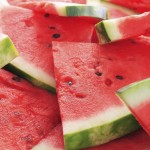
Often discarded after enjoying the sweet, red flesh, the watermelon rind is an edible and nutritionally valuable part of the fruit. In many cultures, particularly in Southern US and Asian cuisines, the rind is traditionally pickled, stewed, or stir-fried. From a phytotherapeutic perspective, watermelon rind (Citrullus lanatus) is gaining attention not just for its culinary versatility but for its potential health benefits, primarily linked to its rich concentration of the amino acid L-citrulline.

This article provides an evidence-based overview of the potential benefits of watermelon rind, focusing on its scientifically supported uses, clear safety protocols, and appropriate administration.
Potential Health Benefits of Watermelon Rind
The therapeutic interest in watermelon rind is largely due to its dense nutritional profile, which differs from the fruit’s flesh. Importantly, it is one of the richest natural sources of L-citrulline.
1. May Support Cardiovascular Health and Blood Pressure
The most significant benefit of watermelon rind is its high L-citrulline content. In the body, L-citrulline is converted into another amino acid, L-arginine, which is a precursor to nitric oxide (NO). Nitric oxide is a powerful vasodilator, meaning it helps relax and widen blood vessels. Consequently, this improved blood flow can help lower blood pressure.
According to a meta-analysis published in the Journal of Human Hypertension, supplementation with L-citrulline has been shown to significantly reduce both systolic and diastolic blood pressure. While most studies use concentrated supplements, incorporating citrulline-rich foods like watermelon rind into the diet may contribute to this effect. Furthermore, this vasodilatory action also suggests potential benefits for athletic performance by improving oxygen and nutrient delivery to muscles.
2. Contributes to Digestive Health and Weight Management
Watermelon rind is an excellent source of dietary fiber. Fiber is essential for maintaining healthy digestion, promoting regular bowel movements, and preventing constipation. Additionally, fiber increases satiety, the feeling of fullness, which can help prevent overeating and support weight management goals. The rind’s low-calorie, high-fiber nature makes it a beneficial addition to a balanced diet.
3. Provides Hydration and Supports Kidney Function
Like the flesh, the rind has a high water content, contributing to overall hydration. Proper hydration is crucial for all bodily functions, particularly for kidney health. The mild diuretic effect associated with watermelon helps promote urine production, which aids the kidneys in flushing out waste products and maintaining a healthy urinary tract. However, this is a supportive function and not a treatment for any kidney disease.
Administration Protocol and Safety Limits
While watermelon rind is a food, consuming it for therapeutic purposes requires attention to dosage and duration to ensure safety and efficacy.
Treatment Duration
- Dietary Inclusion: As a regular part of a balanced diet, it can be consumed without a specific time limit.
- For Therapeutic Support: If using a concentrated form like a daily juice or extract for specific goals (e.g., blood pressure support), consider a cycle of 4-6 weeks followed by a 1-2 week break to assess its effects.
- Maximum Treatments Per Year: Up to 6 cycles per year are generally considered safe for healthy adults.
Quantity and Maximum Dose
- Maximum Daily Dose: For a healthy adult, consuming up to 2 cups (approximately 300g) of fresh watermelon rind per day is considered safe.
- Dose Per Administration: Incorporate 1 cup of rind into a meal, such as a smoothie or stir-fry, once or twice daily.
- Overdose Risk: Exceeding 3-4 cups daily may lead to gastrointestinal distress, such as bloating, gas, or diarrhea, due to the high fiber content.
Administration Condition
- Timing: Consume with meals to mitigate potential digestive upset from the fiber.
- Method of Consumption: Raw rind can be tough. It is best consumed blended into smoothies, juiced, pickled, or cooked in stir-fries and stews. Cooking can soften the texture and improve digestibility.
- Hydration: Ensure adequate water intake (at least 8 glasses per day) to support the fiber’s function and the rind’s diuretic effect.
Specific Biological Limitation
Potassium Content: Watermelon and its rind are sources of potassium. While this mineral is vital for heart and nerve function, its metabolism is managed by the kidneys. For individuals with chronic kidney disease (CKD) or conditions causing hyperkalemia (high blood potassium), the kidneys cannot effectively excrete excess potassium. Therefore, consuming potassium-rich foods like watermelon rind can lead to dangerously high levels of potassium in the blood, which can cause cardiac arrhythmias and other serious health issues.
Contraindications and Precautions
| Category | Warning and Explanation |
|---|---|
| Absolute Contraindications | Individuals with a known allergy to watermelon. People with severe chronic kidney disease or hyperkalemia should avoid it due to its potassium content. |
| Vulnerable Populations |
|
| Major Drug Interactions |
|
| Documented Adverse Effects | The most common side effects are gastrointestinal, including bloating, gas, and diarrhea, especially in individuals with Irritable Bowel Syndrome (IBS) as watermelon contains FODMAPs. |
Therapeutic Alternatives
If watermelon rind is not suitable, other botanicals with evidence for supporting cardiovascular health can be considered.
- Beetroot (Beta vulgaris): An excellent source of dietary nitrates, which convert to nitric oxide in the body via a different pathway than L-citrulline. Research strongly supports beetroot juice for lowering blood pressure.
- Hibiscus (Hibiscus sabdariffa): Tea made from hibiscus calyces has been shown in multiple clinical trials to effectively lower blood pressure, with a mechanism thought to involve mild diuretic action and ACE inhibition.
- Garlic (Allium sativum): Aged garlic extract contains compounds like S-allylcysteine that may help relax blood vessels and have a modest but consistent blood pressure-lowering effect.
Note: Each alternative has its own distinct safety profile and contraindications.
Recent Medical Research (2020-2026)
Recent research continues to focus on the effects of L-citrulline from watermelon sources.
- A 2021 study in Nutrients investigated the effects of watermelon juice on post-exercise muscle soreness and performance, reaffirming the role of L-citrulline in enhancing recovery and blood flow.
- Research published in Current Hypertension Reports in 2022 continues to explore L-citrulline and L-arginine supplementation as a non-pharmacological strategy for managing hypertension, highlighting its favorable safety profile.
Current Limitations: Most high-level evidence comes from studies using concentrated L-citrulline supplements, not whole watermelon rind. More research is needed to determine the exact dosage of whole rind required to achieve clinically significant effects.
Specialist’s Summary
Watermelon rind is a nutrient-dense food primarily useful for its high L-citrulline content, which may offer modest support for cardiovascular health and blood pressure regulation. Its effects are supportive and appear with consistent dietary inclusion. However, it is contraindicated in individuals with severe kidney disease and requires caution for those on blood pressure medications due to potential interactions. Validated alternatives with stronger evidence for blood pressure management include beetroot and hibiscus tea.
Frequently Asked Questions
1. Can you eat watermelon rind raw?
Yes, the rind is edible raw, though its tough and fibrous texture can be unpalatable. For better taste and digestibility, it is often blended into smoothies, juiced, pickled, or cooked in dishes like stir-fries.
2. How much watermelon rind is safe to eat daily?
For a healthy adult, up to two cups (around 300g) per day is generally considered safe. Exceeding this amount may cause digestive discomfort like bloating or gas due to its high fiber content.
3. Does watermelon rind help with erectile dysfunction (ED)?
The L-citrulline in watermelon rind improves blood flow, which is the same basic mechanism targeted by some ED medications. Some studies on L-citrulline supplements have shown modest benefits for mild ED. However, the amount of rind needed to achieve a therapeutic dose is very high, and it should not be considered a treatment for ED.
4. Is watermelon rind safe during pregnancy?
Yes, when consumed in normal food quantities as part of a balanced diet, watermelon rind is safe during pregnancy and breastfeeding. Concentrated supplements or very large quantities should be avoided due to a lack of specific safety studies in these populations.
Sources and References
Recent Studies (2020-2026):
- Mahdavi-Roshan, M., et al. (2022). The effects of L-arginine and L-citrulline supplementation on blood pressure in adults: a systematic review and meta-analysis of randomized controlled trials. Current Hypertension Reports.
- Martínez-Sánchez, A., et al. (2021). Watermelon Juice: Potential Functional Drink for Sore Muscle Relief in Athletes. Nutrients, 13(3), 801.
- Figueroa, A., et al. (2017). Watermelon Extract Supplementation Reduces Ankle Blood Pressure and Carotid Augmentation Index in Obese Adults With Prehypertension or Hypertension. American Journal of Hypertension, 30(7), 640-644.
Official Monographs:
As watermelon rind is considered a food product, it is not typically covered by official monographs from bodies like the EMA or WHO in the same way as medicinal herbs.
⚠️ Important Medical Information
This article is for educational and informational purposes only and is not intended as medical advice, diagnosis, or treatment. The information provided about Watermelon Rind is based on traditional use, preliminary research, and available scientific evidence, which may be limited.
Before using Watermelon Rind:
- Consult a qualified healthcare provider, especially if you are pregnant, breastfeeding, taking medications, or have existing health conditions like kidney disease or hypertension.
- Do not use as a substitute for prescribed medications or professional medical treatment.
- Individual results may vary – what works for one person may not work for another.
- Monitor for adverse reactions and discontinue use if negative symptoms occur.