Turmeric for Asthma: Benefits and Safe Use

by Elena Martin
1 comment
A+A-
Reset

Bronchial asthma is a chronic inflammatory condition of the airways affecting millions of people worldwide. It is characterized by symptoms such as wheezing, coughing, chest tightness, and difficulty breathing. Because inflammation is a core component of asthma, researchers have become increasingly interested in the potential role of natural anti-inflammatory compounds. Specifically, turmeric (Curcuma longa) and its primary active compound, curcumin, have been investigated for their potential to support respiratory health in individuals with asthma.

This article provides an evidence-based overview of how turmeric may help manage asthma symptoms, based on scientific research and traditional use, while emphasizing critical safety protocols. It is important to note that this information is for educational purposes and should not replace conventional medical treatment for asthma.

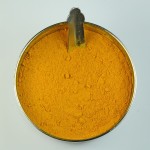
Fresh turmeric root, and ground spice - shallow depth of field

Fresh turmeric root, and ground spice – shallow depth of field

How Curcumin May Influence Airway Inflammation

The potential benefits of turmeric in asthma are attributed to the powerful anti-inflammatory and antioxidant properties of curcumin. Asthma involves a complex inflammatory cascade in the bronchial passages. Therefore, scientific inquiry has focused on how curcumin might interrupt these processes.

Research suggests curcumin works through several mechanisms:

  • Inhibition of Inflammatory Pathways: Curcumin has been shown to downregulate key inflammatory mediators, such as nuclear factor-kappa B (NF-κB), which is a master regulator of the inflammatory response in the body.
  • Reduction of Cytokines: Furthermore, it may help reduce the production of pro-inflammatory cytokines like tumor necrosis factor-alpha (TNF-α) and various interleukins, which are heavily involved in asthmatic inflammation.
  • Antioxidant Effects: Oxidative stress contributes to airway damage in asthma. As a potent antioxidant, curcumin helps neutralize harmful free radicals, potentially protecting the airway lining.

These actions, observed primarily in laboratory and preliminary clinical studies, suggest that curcumin could help reduce the underlying inflammation that causes airway obstruction and hyperresponsiveness in asthma.

Administration Protocol and Safety Limits

Proper administration is crucial for both safety and efficacy. Consequently, if you are considering a turmeric supplement, it is vital to follow established guidelines and consult a healthcare professional.

Treatment Duration and Dosage

Parameter Guideline
Standardized Curcumin Extract (95% curcuminoids) 500 mg, taken 1-2 times per day.
Maximum Daily Dose Generally considered safe up to 2,000 mg per day for healthy adults, but higher doses increase the risk of side effects. Do not exceed the product’s recommended dose.
Treatment Cycle Typically used for 4-8 weeks.
Mandatory Break A break of at least 2-4 weeks is recommended between cycles to assess effectiveness and prevent potential side effects.

Administration Conditions

  • Timing: Always take curcumin supplements with a meal, preferably one containing healthy fats (like olive oil or avocado), to enhance absorption and minimize potential gastrointestinal upset.
  • Bioavailability: Curcumin is poorly absorbed on its own. For this reason, most effective supplements include piperine (from black pepper) or are formulated with phytosomes or nanoparticles to increase bioavailability.
  • Hydration: Maintain adequate fluid intake throughout the day while taking turmeric supplements.

Specific Biological Limitation

Anticoagulant (Blood-Thinning) Effect

One of the most significant biological effects of curcumin is its ability to inhibit platelet aggregation. In other words, it can act as a mild blood thinner. While this can be beneficial for cardiovascular health in some contexts, it poses a significant risk for individuals with certain conditions.

Technical Warning: This antiplatelet activity means that high doses of curcumin can increase the risk of bleeding, especially when combined with anticoagulant or antiplatelet medications. Therefore, it is strictly contraindicated for individuals with bleeding disorders or those scheduled for surgery.

Contraindications and Precautions

Despite its reputation as a safe spice, concentrated turmeric supplements are not suitable for everyone. It is essential to be aware of the following contraindications.

Absolute Contraindications

  • Bleeding Disorders: Individuals with conditions like hemophilia or von Willebrand disease should avoid turmeric supplements.
  • Bile Duct Obstruction or Gallstones: Turmeric stimulates bile production, which can worsen pain and complications in people with blocked bile ducts or active gallstones.
  • Upcoming Surgery: Discontinue use at least two weeks before any scheduled surgical procedure to reduce the risk of excessive bleeding.

Vulnerable Populations

  • Pregnancy: High doses of turmeric may act as a uterine stimulant. For this reason, supplements are not recommended during pregnancy.
  • Breastfeeding: There is insufficient data on the safety of curcumin supplements during lactation. It is best to avoid them.
  • Children: The safety of turmeric supplements has not been established in children. Always consult a pediatrician before use.

Major Drug Interactions

  • Anticoagulants and Antiplatelets (e.g., Warfarin, Clopidogrel, Aspirin): Combining these with curcumin significantly increases the risk of bruising and serious bleeding.
  • Antidiabetic Drugs: Curcumin may enhance the effects of medications that lower blood sugar, potentially leading to hypoglycemia. Close monitoring is required.
  • Stomach Acid Reducers (e.g., Omeprazole): Turmeric may interfere with the action of these drugs, potentially increasing stomach acid production.

Therapeutic Alternatives

If turmeric is not a suitable option, other natural compounds with scientific backing may offer support for airway inflammation. However, always discuss these alternatives with your healthcare provider.

  1. Boswellia serrata (Frankincense): This herb contains boswellic acids, which inhibit a different inflammatory pathway (leukotriene synthesis) that is highly relevant in asthma. It is often used to support joint and respiratory health.
  2. Omega-3 Fatty Acids (Fish Oil): Found in fatty fish, EPA and DHA are powerful anti-inflammatory agents that can help balance the body’s inflammatory response. They are a well-researched option for managing chronic inflammatory conditions.
  3. Magnesium: This essential mineral plays a role in relaxing the smooth muscles of the bronchi. While not an anti-inflammatory, it can help with bronchodilation, and low magnesium levels have been linked to asthma severity.

Recent Medical Research (2020-2026)

Modern research continues to explore curcumin’s role as an adjuvant therapy for asthma. Importantly, studies consistently position it as a complementary aid, not a replacement for standard medical care.

  • A 2020 systematic review published in Phytotherapy Research concluded that curcumin supplementation could improve lung function tests (FEV1) in patients with mild-to-moderate asthma, highlighting its potential as a safe add-on therapy.
  • Similarly, a 2022 meta-analysis in Frontiers in Pharmacology reinforced these findings, noting significant improvements in airway obstruction and blood markers of inflammation without significant adverse effects.

Current Limitations: Despite these positive findings, researchers consistently call for larger, long-term clinical trials to establish definitive dosage, long-term safety, and its precise role alongside conventional asthma treatments.

Specialist’s Summary

Turmeric’s active compound, curcumin, shows notable potential as an adjuvant therapy for asthma due to its well-documented anti-inflammatory properties. Clinical observations suggest it may help reduce airway obstruction in some patients when used alongside conventional treatment. However, it is strictly contraindicated for individuals with bleeding disorders, gallstone issues, or those taking blood-thinning medications. Validated alternatives with different mechanisms of action include Boswellia serrata and Omega-3 fatty acids.

Frequently Asked Questions

Can turmeric replace my asthma inhaler?
Absolutely not. Turmeric supplements are considered a complementary or adjuvant therapy. They are not a rescue treatment and cannot replace prescribed medications like bronchodilators (inhalers) or corticosteroids, which are essential for managing asthma attacks and controlling long-term inflammation.

How long does it take for turmeric to work for asthma symptoms?
The anti-inflammatory effects of curcumin are not immediate. If it is effective for an individual, subtle improvements may be noticed over several weeks of consistent use. It does not provide rapid relief like a rescue inhaler.

Is it better to use turmeric spice or a curcumin supplement?
For a therapeutic effect, a standardized curcumin supplement is necessary. The amount of curcumin in culinary turmeric spice is very low (around 3% by weight) and poorly absorbed. Supplements provide a concentrated, bioavailable dose that is required to achieve the levels used in clinical studies.

Sources and References

  1. Jahromi, M., et al. (2022). The effect of curcumin on lung function, clinical symptoms, and inflammatory biomarkers in patients with asthma: A systematic review and meta-analysis. Frontiers in Pharmacology.
  2. Abdolahi, M., et al. (2020). The effects of curcumin on the management of asthma: A systematic review of randomized clinical trials. Phytotherapy Research.
  3. World Health Organization (WHO). (1999). WHO Monographs on Selected Medicinal Plants – Volume 1. (Rhizoma Curcumae Longae).

⚠️ Important Medical Information

This article is for educational and informational purposes only and is not intended as medical advice, diagnosis, or treatment. The information provided about Turmeric is based on traditional use, preliminary research, and available scientific evidence, which may be limited.

Before using Turmeric:

  • Consult a qualified healthcare provider, especially if you are pregnant, breastfeeding, taking medications, or have existing health conditions like asthma, gallstones, or bleeding disorders.
  • Do not use as a substitute for prescribed medications or professional medical treatment for asthma.
  • Individual results may vary – what works for one person may not work for another.
  • Monitor for adverse reactions and discontinue use if negative symptoms occur.

Regulatory status: Turmeric supplements are considered dietary supplements and have not been evaluated by the FDA for treating, curing, or preventing any disease.


You may also like

1 comment

Lita Davidson
Lita Davidson October 16, 2015 - 11:18

Love turmeric, but be careful on using too much ??

Reply

Leave a Comment