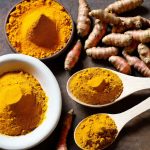
Turmeric for Inflammation: Benefits, Dosage, and Safety Guide
Turmeric (Curcuma longa), often called “the spice of life,” has been a cornerstone of Ayurvedic and traditional Indonesian medicine for over 5,000 years. Historically, practitioners have used it to support digestion, liver function, and skin health. However, in recent decades, modern science has focused on its potent anti-inflammatory properties, making it one of the most researched botanicals worldwide.
The primary active compounds responsible for its effects are called curcuminoids, with curcumin being the most significant. Indeed, research suggests that curcumin is the main driver behind turmeric’s therapeutic potential. This article provides an evidence-based overview of how to use turmeric effectively and safely, moving beyond anecdotal claims to focus on scientific understanding.

The Challenge of Bioavailability: Why Turmeric Needs Help
Despite its powerful properties, a significant challenge exists with curcumin: poor bioavailability. This means that when you consume turmeric, your body metabolizes and eliminates most of the curcumin before it can be absorbed into the bloodstream. Consequently, its therapeutic effects can be minimal if not consumed correctly. Fortunately, researchers have identified two key strategies to dramatically improve its absorption.
1. Combine Turmeric with Healthy Fats
Curcumin is lipophilic, which means it dissolves in fats rather than water. Therefore, consuming turmeric with a source of healthy fat allows it to be absorbed more easily through the lymphatic system. Instead of simply mixing turmeric powder with water, you should incorporate it into meals containing oil or fat.
- Practical Application: Add turmeric powder to salad dressings made with olive oil, blend it into smoothies containing coconut oil or avocado, or stir it into scrambled eggs.
2. Add Black Pepper (Piperine)
This is perhaps the most well-documented method for enhancing curcumin absorption. Black pepper contains an alkaloid called piperine, which significantly boosts curcumin’s bioavailability. The mechanism is well-understood: piperine inhibits a process in the liver and intestinal wall called glucuronidation, which normally deactivates and eliminates curcumin from the body. By slowing this process, piperine allows more active curcumin to enter the bloodstream.
- Clinical Evidence: A foundational study published in the journal Planta Medica found that co-administering 20 mg of piperine with 2 grams of curcumin increased the bioavailability of curcumin by an astounding 2000% in human subjects. For this reason, most high-quality turmeric supplements now include a piperine extract (often patented as BioPerine®).
Administration Protocol and Safety Limits
To use turmeric therapeutically, it is essential to follow a structured protocol regarding dosage, duration, and administration. Always consult a healthcare provider to determine the appropriate approach for your specific needs.
| Parameter | Recommendation |
|---|---|
| Standardized Extract (95% Curcuminoids) | 500 mg, taken 2-3 times per day. Do not exceed 2,000 mg daily without medical supervision. |
| Dried Turmeric Powder (Culinary) | 1-3 grams (approx. 1/2 to 1.5 teaspoons) per day. |
| Treatment Duration | For chronic conditions like osteoarthritis, a typical cycle is 4-8 weeks of continuous use. |
| Mandatory Break | Follow each treatment cycle with a mandatory break of at least 2-4 weeks to assess efficacy and prevent potential side effects. |
| Administration Condition | Always take with a meal that contains fat and a pinch of black pepper to maximize absorption. |
Overdose Risk: While generally safe, consuming excessively high doses (over 8 grams of curcumin daily) for prolonged periods may lead to gastrointestinal distress, nausea, or diarrhea.
Specific Biological Limitation
Bile Production and Blood Thinning Effects: Curcumin exhibits two specific biological actions that can be beneficial for some but dangerous for others. First, it is a cholagogue, meaning it stimulates the gallbladder to produce and release bile. While this can aid digestion, it can cause severe pain or complications in individuals with bile duct obstruction. Secondly, curcumin has mild antiplatelet effects, meaning it can inhibit blood clotting. This effect becomes a significant risk when combined with anticoagulant or antiplatelet medications.
Contraindications and Precautions
Before incorporating therapeutic doses of turmeric into your routine, it is critical to review the following safety information.
Absolute Contraindications (Do Not Use)
- Bile Duct Obstruction: Due to its bile-stimulating effects, turmeric should not be used by individuals with a blocked bile duct.
- Bleeding Disorders: Those with conditions like hemophilia should avoid turmeric supplements due to their antiplatelet activity.
- Upcoming Surgery: Discontinue use at least two weeks before any scheduled surgery to reduce the risk of excessive bleeding.
Vulnerable Populations
- Pregnancy: Turmeric is not recommended in supplemental doses during pregnancy as it may stimulate uterine contractions. Culinary use is generally considered safe.
- Breastfeeding: There is insufficient data on the safety of turmeric supplements while breastfeeding. Therefore, it is best to avoid them.
- Gallstones: Consult a doctor before use. While it may help prevent gallstones, it can cause problems if stones are already present.
Major Drug Interactions
- Anticoagulants and Antiplatelets (e.g., Warfarin, Aspirin, Clopidogrel): Turmeric can amplify the effects of these drugs, significantly increasing the risk of bruising and bleeding.
- Diabetes Medications: Curcumin may lower blood sugar levels. Combining it with diabetes medication could lead to hypoglycemia (dangerously low blood sugar).
- Stomach Acid Reducers (e.g., Omeprazole): Turmeric may interfere with the action of these drugs, potentially increasing stomach acid production.
Therapeutic Alternatives
If turmeric is not suitable for you due to contraindications or interactions, several other botanicals with strong anti-inflammatory evidence are available. Importantly, each has its own unique safety profile.
- Boswellia (Boswellia serrata): Also known as Indian Frankincense, Boswellia works by inhibiting a specific inflammatory enzyme called 5-lipoxygenase (5-LOX). This makes it a great alternative for joint health, particularly osteoarthritis, as it targets a different inflammatory pathway than turmeric.
- Devil’s Claw (Harpagophytum procumbens): Traditionally used in Africa for pain relief, Devil’s Claw is recognized by health authorities like the German Commission E for its potential in managing low back pain and degenerative joint conditions.
- Ginger (Zingiber officinale): A close botanical relative of turmeric, ginger contains compounds called gingerols that inhibit COX-2, an enzyme involved in the inflammatory response. Furthermore, it is an excellent digestive aid and can help with nausea.
Recent Medical Research (2020-2026)
Modern research continues to explore the benefits of curcumin, with a focus on well-designed clinical trials.
- A 2021 meta-analysis published in BMJ Open Sport & Exercise Medicine concluded that turmeric supplementation provides significant pain relief and functional improvement in patients with knee osteoarthritis, with an efficacy comparable to non-steroidal anti-inflammatory drugs (NSAIDs) but with fewer side effects.
- Research published in Nutrients in 2023 explored curcumin’s role in managing metabolic syndrome. The review suggested that curcumin may help improve insulin sensitivity, reduce blood lipids, and lower inflammatory markers associated with the condition.
Current Limitations: While promising, much of the research uses highly concentrated, bioavailable curcumin extracts, not culinary turmeric powder. Therefore, achieving the same results from food alone may be difficult. More long-term human studies are still needed to confirm its efficacy for conditions beyond osteoarthritis.
Specialist’s Summary
Turmeric, powered by its active compound curcumin, is a well-researched botanical primarily useful for managing inflammation, especially in conditions like osteoarthritis. Its efficacy is critically dependent on enhancing absorption with fats and black pepper. However, it is contraindicated for individuals with bile duct obstruction or bleeding disorders and interacts significantly with anticoagulant medications. Validated alternatives with different mechanisms of action include Boswellia and Devil’s Claw.
Frequently Asked Questions
1. How long does it take for turmeric to work for inflammation?
For chronic inflammatory conditions like osteoarthritis, consistent use is necessary. Most clinical studies report noticeable improvements in pain and function after 4 to 8 weeks of daily supplementation with a bioavailable curcumin extract.
2. Can I just eat fresh turmeric root instead of taking a supplement?
While eating fresh or dried turmeric is beneficial for overall health and provides some anti-inflammatory effects, the concentration of curcumin is much lower than in standardized extracts. For a targeted therapeutic effect, a high-quality supplement with enhanced bioavailability is generally more effective.
3. What is the best way to take turmeric for maximum absorption?
The most effective method is to take a standardized curcumin supplement that already includes a bioavailability enhancer like piperine (black pepper extract). If using turmeric powder, always consume it with a meal containing healthy fats (like olive oil or avocado) and a pinch of black pepper.
4. Is turmeric safe for people with kidney problems?
Turmeric is high in oxalates, which can contribute to the formation of kidney stones in susceptible individuals. People with a history of kidney stones or chronic kidney disease should consult their healthcare provider before using turmeric supplements.
Sources and References
- Shoba, G., Joy, D., Joseph, T., Majeed, M., Rajendran, R., & Srinivas, P. S. (1998). Influence of piperine on the pharmacokinetics of curcumin in animals and human volunteers. Planta medica, 64(4), 353–356. Link to study
- Paultre, K., Cade, W., Hernandez, D., et al. (2021). Therapeutic effects of turmeric or curcumin extract on pain and function for individuals with knee osteoarthritis: a systematic review. BMJ Open Sport & Exercise Medicine, 7(1), e000935. Link to study
- World Health Organization. (1999). WHO Monographs on Selected Medicinal Plants – Volume 1. Rhizoma Curcumae Longae. Link to monograph
⚠️ Important Medical Information
This article is for educational and informational purposes only and is not intended as medical advice, diagnosis, or treatment. The information provided about Turmeric (Curcuma longa) is based on traditional use, preliminary research, and available scientific evidence, which may be limited.
Before using Turmeric:
- Consult a qualified healthcare provider, especially if you are pregnant, breastfeeding, taking medications, or have existing health conditions like gallbladder disease or bleeding disorders.
- Do not use as a substitute for prescribed medications or professional medical treatment.
- Individual results may vary – what works for one person may not work for another.
- Monitor for adverse reactions and discontinue use if negative symptoms occur.