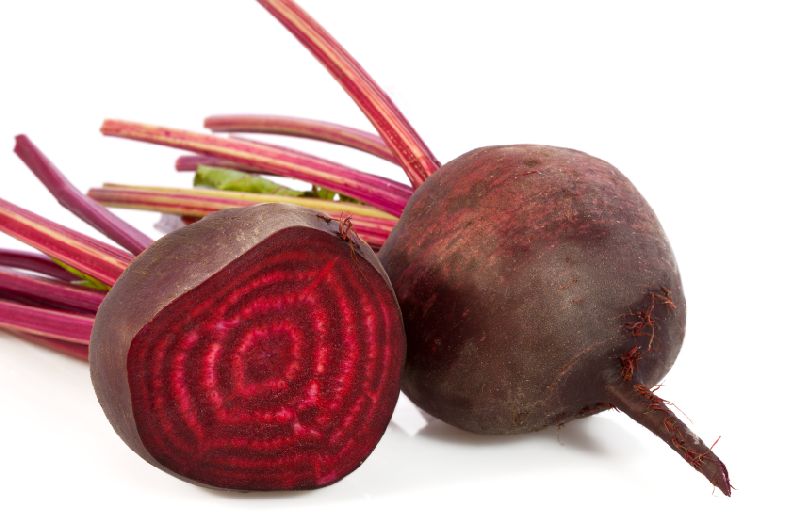
Beetroot (Beta vulgaris) is a root vegetable recognized for its dense nutritional profile and has been investigated for its potential health benefits. While traditional folklore has often ascribed potent medicinal properties to it, modern scientific evaluation positions beetroot not as a primary treatment for diseases like cancer, but as a valuable component of a supportive diet. Its role should be understood as complementary to, and never a replacement for, conventional medical therapies.
⚠️ CRITICAL WARNING: NOT A CANCER TREATMENT
Beetroot and its juice are NOT a cure for cancer, leukemia, or any other disease. No robust clinical trials in humans have demonstrated that beetroot can treat or cure cancer. Relying on beetroot as a standalone therapy can have fatal consequences by delaying or replacing proven medical treatments such as chemotherapy, radiation, or surgery. This article discusses its potential role as a dietary supplement for antioxidant support, which must only be considered under the direct supervision of an oncologist or registered dietitian.
The Science Behind Beetroot’s Bioactive Compounds
Beetroot’s vibrant color comes from a class of pigments called betalains, which include the red-violet betacyanins (like betanin) and the yellow betaxanthins. These compounds are the primary focus of scientific interest due to their powerful antioxidant properties.
In laboratory (in vitro) and animal studies, researchers have observed that betalains can help neutralize unstable molecules called free radicals. Consequently, this action may help protect cells from oxidative stress, a process linked to chronic inflammation and cellular damage. Some pre-clinical research suggests these compounds may interfere with cancer cell signaling pathways. However, it is crucial to understand that these findings are preliminary and have not been replicated as a therapeutic effect in human cancer patients.

What the Evidence Actually Shows
The claim that most cancer patients respond well to beetroot therapy is not supported by credible medical evidence. The studies that exist are largely pre-clinical. For instance, some research has shown that beetroot extract can inhibit the growth of certain cancer cell lines in a laboratory setting. Nevertheless, these results cannot be directly extrapolated to humans. The human body metabolizes compounds differently, and the concentrations used in lab studies are often far higher than what can be achieved through dietary intake.
Therefore, while including beetroot in a balanced diet can contribute to overall health and antioxidant intake, it should not be viewed as a targeted anti-cancer “treatment.”
Administration Protocol and Safety Limits
If you choose to incorporate beetroot juice into your diet as a supportive measure, you must adhere to strict safety protocols to avoid adverse effects. Always discuss this with your healthcare provider first.
Treatment Duration
-
- Standard Cycle: Consume daily for a maximum of 3-4 weeks.
- Mandatory Break: Follow each cycle with a mandatory break of at least 2 weeks. This helps prevent the accumulation of oxalates.
- Maximum Frequency: Do not exceed 4-5 cycles per year without a thorough medical evaluation, including kidney function tests.
Quantity and Maximum Dose
-
- Maximum Daily Dose (Healthy Adult): 250 ml (approximately 8.5 oz) of fresh beetroot juice per day.
- Dose Per Administration: It is best to divide the daily amount into two servings of 125 ml each.
- Overdose Risk: Exceeding 300 ml daily significantly increases the risk of adverse effects, particularly the formation of kidney stones in susceptible individuals and potential gastrointestinal distress.
Administration Condition
-
- Timing: Consume with or shortly after a meal to buffer its effects on blood sugar and reduce the risk of gastric irritation. Avoid drinking it on a completely empty stomach.
- Hydration: Increase your daily water intake to a minimum of 2 liters to help flush oxalates from your system.
- Normal Side Effect: Be aware of “beeturia,” a harmless condition where urine and stools turn a reddish color. This is normal and not a sign of bleeding.
Specific Biological Limitation
High Oxalate Content and Kidney Stone Risk
Beetroot is one of the richest dietary sources of oxalates. In susceptible individuals, high oxalate intake can bind with calcium in the urinary tract to form calcium oxalate crystals. Indeed, these are the most common type of kidney stones. For this reason, individuals with a personal or family history of kidney stones must avoid regular consumption of beetroot.
Hypotensive Effect due to Nitrates
Beetroot is naturally rich in inorganic nitrates. The body converts these nitrates into nitric oxide, a potent vasodilator that relaxes and widens blood vessels, subsequently lowering blood pressure. While this can be beneficial for individuals with hypertension, it poses a significant risk for those with naturally low blood pressure (hypotension) or those taking antihypertensive medications, as it can lead to dizziness, lightheadedness, and fainting.
Contraindications and Precautions
Absolute Contraindications
-
- History of Kidney Stones: Specifically calcium oxalate stones. Consumption is strictly forbidden.
- Kidney Disease: Individuals with chronic kidney disease (CKD) or impaired renal function should avoid beetroot due to both the oxalate and potassium content.
- Wilson’s Disease: Beetroot contains a moderate amount of copper, making it unsuitable for individuals with this genetic disorder of copper metabolism.
Vulnerable Populations
-
- Pregnancy and Breastfeeding: Safety has not been established. Due to its potent effects on blood pressure, it is best to avoid therapeutic doses.
- Children: Use with caution and in much smaller, age-appropriate doses under pediatric supervision.
- Diabetics: Beetroot juice can cause a rapid spike in blood sugar. If consumed, it must be in small quantities and blood glucose levels should be monitored closely.
Major Drug Interactions
-
- Antihypertensives (e.g., beta-blockers, ACE inhibitors): Combining them with beetroot juice can cause an additive effect, leading to dangerously low blood pressure (hypotension).
- Vasodilators (e.g., Nitroglycerin): The risk of severe hypotension is significantly increased.
- Anticoagulants (e.g., Warfarin): Beetroot contains Vitamin K, which can interfere with the efficacy of blood thinners. While the amount is not extremely high, consistent daily intake could affect INR levels.
Documented Adverse Effects
-
- Common: Beeturia (red urine/stools), stomach cramps, diarrhea.
- Severe (Rare): Aggravation of kidney stones, significant hypotension.
Quick Guide: Beetroot Safety
| Category | Details |
|---|---|
| ❌ Who should AVOID | • Individuals with a history of kidney stones • Patients with chronic kidney disease • People with low blood pressure (hypotension) • Patients with Wilson’s disease |
| 📊 Maximum safe dose | • Adults: 250 ml of juice per day • Treatment duration: 3-4 weeks maximum • Mandatory break: 2 weeks between cycles |
| 🚨 ALARM signs | • Dizziness or fainting (sign of low blood pressure) • Severe flank pain (potential kidney stone sign) • Severe stomach cramps or diarrhea |
| 💊 Major interactions | • Blood pressure medications (Antihypertensives) • Nitrates (e.g., Nitroglycerin) • Blood thinners (e.g., Warfarin) |
| ⏱️ When to consult doctor | IMMEDIATELY if alarm signs appear. ALWAYS before starting, especially if you have any pre-existing conditions or are on medication. |
💡 Golden rule: Never use beetroot as a substitute for prescribed medical care. When in doubt, consult your oncologist or a registered dietitian.
Therapeutic Alternatives
If beetroot is not suitable due to its contraindications, other botanicals offer potent antioxidant support with different safety profiles.
Botanical Alternatives with Studies
-
- Turmeric (Curcuma longa): Its active compound, curcumin, is one of the most extensively studied natural anti-inflammatory and antioxidant agents. It is often recommended as a supportive supplement in oncology, but it has blood-thinning properties.
- Green Tea (Camellia sinensis): Rich in epigallocatechin gallate (EGCG), a polyphenol with strong antioxidant activity that has been widely researched for its chemo-preventive potential.
- Cruciferous Vegetables (e.g., Broccoli, Kale): These contain sulforaphane, a compound studied for its ability to support the body’s natural detoxification pathways.
Note: Each alternative has its own unique set of contraindications and potential drug interactions that must be reviewed with a healthcare professional.
Recent Medical Research (2020-2026)
Recent research continues to focus on the chemo-preventive potential of beetroot rather than its use as a treatment. Studies have primarily explored how betalains might influence cellular pathways related to inflammation and oxidative stress.
-
- A 2021 review published in the journal Antioxidants summarized the existing in vitro and animal data, concluding that betalains from beetroot show promise as chemo-preventive agents but emphasized that “human intervention studies are urgently needed” to validate these effects.
- Research also investigates beetroot’s role in mitigating the side effects of chemotherapy. For example, its anti-inflammatory properties are being explored for their potential to reduce treatment-related fatigue and cardiotoxicity, though this is still an emerging area of study.
Current Limitations: The scientific community agrees that there is a significant gap between promising lab results and proven clinical benefits for cancer patients. We still do not know the effective, safe dosage for long-term human consumption in an oncological context, nor do we fully understand its interactions with modern cancer therapies.
Specialist’s Summary
Beetroot is a nutritionally dense food whose primary value in an oncological context lies in its high concentration of antioxidant betalains, which may offer general health support. It is categorically not a treatment for cancer and must never replace conventional medical care. Its use is significantly limited by a high oxalate content, posing a risk for kidney stones, and a potent hypotensive effect that can interact with cardiovascular medications. Safer, better-researched alternatives for antioxidant support include turmeric and green tea.
Frequently Asked Questions
Can beetroot juice cure cancer or leukemia?
No. There is absolutely no scientific evidence to support this claim. Beetroot cannot cure cancer. It should only be used as a small part of a balanced diet under medical supervision, alongside proven cancer treatments.
How long does it take to see any health benefits from beetroot juice?
Effects on blood pressure can be observed within a few hours of consumption. General antioxidant benefits are cumulative and contribute to long-term health as part of a consistently healthy diet, not as a short-term “fix.”
Is beetroot safe for everyone with cancer?
No. It is unsafe for patients with a history of kidney stones, active kidney disease, or low blood pressure. Furthermore, it can interact with common medications for blood pressure and blood thinning. Always consult your oncologist before adding it to your diet.
What are safer alternatives to beetroot for antioxidant support?
Well-researched alternatives include green tea (for its EGCG content), turmeric (for curcumin), and a diet rich in diverse, colorful vegetables like broccoli, spinach, and berries, which provide a broad spectrum of antioxidants with lower risks.
Sources and References
-
- Lechner, J. F., & Stoner, G. D. (2019). Red beetroot and betalains as cancer chemopreventive agents. Molecules, 24(8), 1629. https://www.mdpi.com/1420-3049/24/8/1629
- Tan, M. L., & Hamid, S. B. S. (2021). Beetroot as a promising lifestyle-related disease-preventing agent: A review. Antioxidants, 10(11), 1696. https://www.ncbi.nlm.nih.gov/pmc/articles/PMC8542955/
- Siervo, M., et al. (2013). Inorganic nitrate and beetroot juice supplementation in athletes. Nutrition Reviews, 71(7), 475–485.
3 comments
Natural Remedies do you please have any remedy fo Chronic Fatigue i have a friend who has 2 daughters with it. Could private msg me if you can help.
The best natural remedies for fatigue:
· Bee pollen: 1-2 teaspoons a day
· Green tea: 1-2 cups a day
· Thyme, sage or rosemary tea: 2-3 cups a day
· Hot Cocoa (1-2 tablespoons cocoa to 1 cup of warm water)
· Nettle tea – 2-3 cups a day
· Beet root juice or beet+carrot juice: 1 glass a day
· Carrot, apple and celery/beet juice
· Spirulina
*Ask a doctor before you try any of these for children under 18, or if you are taking any medication.
Thank you will pass this on to my friend.