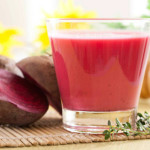
Beetroot (Beta vulgaris) is a root vegetable with a rich history, tracing back to ancient times when it grew wild along the coastlines of North Africa, Asia, and Europe. While early civilizations primarily consumed its leafy greens, the ancient Romans began cultivating the plant for its sweet, earthy root. By the 19th century, its high sugar content was recognized, and Napoleon famously promoted its use for sugar production in Europe.
Today, beyond its role as a sugar source, whole beetroot is valued for its dense nutritional profile and unique bioactive compounds. Incorporating it into a balanced diet can offer several evidence-based health advantages. However, understanding its proper use and safety limitations is crucial for maximizing its benefits.

Evidence-Based Health Benefits of Beetroot
While beets contain the highest sugar content of all vegetables, their impressive array of vitamins, minerals, and potent plant compounds offers significant health potential. When consumed in moderation, beetroot may support health in several ways.
1. May Support Healthy Blood Pressure
One of the most well-researched benefits of beetroot is its potential role in cardiovascular health. Specifically, studies indicate that consuming beet juice may help lower blood pressure. For instance, a 2022 meta-analysis published in the journal Phytotherapy Research confirmed that beetroot supplementation significantly reduced systolic blood pressure.
This effect is attributed to the high concentration of inorganic nitrates in beets. In the body, these nitrates are converted into nitric oxide (NO). Furthermore, nitric oxide acts as a vasodilator, meaning it helps relax and widen blood vessels. Consequently, this improved blood flow can lead to a reduction in blood pressure.
2. May Enhance Athletic Stamina and Performance
The same nitric oxide pathway that benefits blood pressure also appears to enhance physical performance. Research suggests that dietary nitrates can improve the efficiency of mitochondria, the energy-producing centers within our cells. As a result, this can reduce the oxygen cost of exercise.
For example, a study involving trained cyclists found that those who consumed beet juice could exercise for up to 16% longer. Therefore, athletes may find that incorporating beetroot into their pre-workout routine helps improve endurance and tolerance to high-intensity activity.
3. Provides Anti-Inflammatory Support
Beets are a unique source of phytonutrients called betalains, which are responsible for their vibrant red-violet color. These compounds, particularly betanin and vulgaxanthin, have demonstrated significant antioxidant and anti-inflammatory properties in laboratory studies. Additionally, beets contain a nutrient called betaine, which plays a role in protecting cells from environmental stress.
According to research, betaine’s presence in the diet has been associated with lower levels of key inflammatory markers, such as C-reactive protein (CRP) and interleukin-6. By helping to modulate the inflammatory response, these compounds may contribute to the prevention of chronic conditions linked to inflammation.
4. Rich Source of Essential Nutrients and Fiber
Beyond their unique phytonutrients, beets are packed with essential vitamins and minerals. They are an excellent source of folate (vitamin B9), which is crucial for DNA synthesis and repair and is particularly important for reducing the risk of neural tube defects during pregnancy. Moreover, they provide a good amount of manganese, essential for bone formation and nutrient metabolism, and potassium, which is vital for nerve function and blood pressure regulation.
Beetroot is also a good source of dietary fiber, which supports digestive health by promoting regular bowel movements and feeding beneficial gut bacteria.
5. May Support Cognitive Function
Emerging research suggests that the vasodilating effects of beetroot’s nitrates may also benefit the brain. As we age, blood flow to certain areas of the brain can decrease, which is linked to cognitive decline. The nitric oxide produced from beet consumption can increase blood flow to the brain, particularly the prefrontal cortex, an area associated with decision-making and working memory.
A 2021 study in the Journal of the American College of Nutrition found that beetroot juice supplementation improved cognitive function and cerebrovascular blood flow in older adults, highlighting its potential as a dietary strategy to support brain health.
Administration Protocol and Safety Limits
To safely incorporate beetroot into your diet, it is important to adhere to reasonable consumption limits and protocols.
Treatment Duration
- Regular dietary use: Consuming whole, cooked beets 2-3 times per week is generally considered safe for most healthy adults.
- For therapeutic effects (e.g., beet juice): Consider a cycle of 4-6 weeks of regular consumption, followed by a 2-week break to prevent potential accumulation of oxalates.
- Maximum treatments per year: Limit intensive juicing protocols to 3-4 cycles per year.
Quantity and Maximum Dose
- Maximum daily dose for a healthy adult: Approximately 250 ml (about 1 cup) of beet juice or 200 grams (about 1.5 cups) of cooked beets.
- Overdose risk: While not acutely toxic, consistently exceeding these amounts significantly increases the intake of oxalates, which can contribute to kidney stone formation in susceptible individuals.
Administration Condition
- Timing: For athletic performance, consume beet juice 2-3 hours before exercise to allow nitrate levels to peak in the blood. For general health, it can be consumed with or without meals.
- Method of consumption: Cooking beets can slightly reduce their nutrient content, but raw consumption (e.g., in juice or salads) maximizes the intake of nitrates and other heat-sensitive vitamins.
- Hydration: Ensure adequate water intake, especially when consuming beet juice, to support kidney function.
Specific Biological Limitation
High Oxalate Content: The primary biological limitation of beetroot is its high concentration of oxalates. Oxalates are natural compounds that can bind with minerals like calcium in the digestive tract. In individuals who are genetically predisposed or have existing kidney issues, this process can lead to the formation of calcium oxalate crystals, the most common type of kidney stone.
Technical warning: Individuals with a history of kidney stones, hyperoxaluria (high oxalate levels in urine), or impaired kidney function should consume beetroot with extreme caution or avoid it altogether. Cooking beets can reduce their oxalate content, making them a safer option than raw juice for those at moderate risk.
Contraindications and Precautions
Absolute Contraindications (Avoid Use)
- History of Calcium Oxalate Kidney Stones: Due to the high oxalate content, beetroot is strongly contraindicated.
- Hyperoxaluria: Individuals with this condition should avoid all high-oxalate foods, including beets.
Vulnerable Populations
- Pregnancy and Breastfeeding: Cooked beetroot is generally safe as part of a balanced diet. However, concentrated beet juice or supplements should be used with caution and under medical supervision.
- Children: Safe in small, dietary amounts. Avoid giving concentrated juice to young children.
- Individuals with G6PD Deficiency: While evidence is limited, some sources recommend caution as beets contain compounds that could potentially trigger hemolysis in sensitive individuals.
- Individuals with Low Blood Pressure (Hypotension): Beetroot’s blood pressure-lowering effects could potentially cause dizziness or fainting. Monitor your blood pressure if you choose to consume it.
Documented Adverse Effects
- Beeturia: A common and harmless side effect where urine and/or stools turn red or pink. This occurs in about 10-14% of the population and is due to the excretion of betalain pigments.
- Gastrointestinal Upset: Some individuals may experience stomach cramps or diarrhea, particularly with beet juice.
Therapeutic Alternatives
If beetroot is not suitable for you due to its oxalate content or other contraindications, consider these validated alternatives for similar health goals:
| Goal | Botanical Alternative | Mechanism and Advantage |
|---|---|---|
| Blood Pressure Support | Hibiscus Tea (Hibiscus sabdariffa) | Contains anthocyanins and may act as a natural ACE inhibitor. It is a low-oxalate alternative with strong clinical support for managing mild hypertension. |
| Athletic Performance | Cordyceps Mushroom (Cordyceps sinensis) | Believed to improve ATP production and oxygen utilization, enhancing stamina without relying on the nitric oxide pathway. It is an adaptogen that helps the body handle physical stress. |
| Anti-Inflammatory Action | Turmeric (Curcuma longa) | Its active compound, curcumin, is a potent anti-inflammatory that works by inhibiting multiple inflammatory pathways, such as NF-κB. It offers broader anti-inflammatory support. |
Note: Each alternative has its own set of contraindications and should be researched before use.
Recent Medical Research (2020-2026)
Modern science continues to validate and expand upon the traditional uses of beetroot.
- A 2022 meta-analysis in Phytotherapy Research systematically reviewed 23 randomized controlled trials and concluded that beetroot supplementation effectively lowers systolic blood pressure, particularly in individuals with higher baseline pressures.
- Research published in the European Journal of Applied Physiology in 2021 found that dietary nitrate from beetroot enhanced muscle contractile function in athletes, suggesting benefits beyond just cardiovascular endurance.
- A 2021 study highlighted beetroot’s potential to improve blood flow to the brain, which may help mitigate age-related cognitive decline.
Current Limitations: While promising, much of the research uses concentrated beetroot juice or supplements. More studies are needed to determine the long-term effects of daily beetroot consumption and to establish optimal dosages for different health outcomes.
Specialist’s Summary
Beetroot is a nutrient-dense food primarily useful for supporting cardiovascular health and enhancing athletic performance, with moderate effects typically observed after consistent use. Its high oxalate content makes it contraindicated for individuals with a history of kidney stones. For those individuals, validated alternatives like hibiscus for blood pressure or cordyceps for stamina are excellent choices.
Frequently Asked Questions
1. Why does beetroot turn my urine red?
This harmless condition is called beeturia. It is caused by the excretion of betalain pigments from the beets and affects about 10-14% of the population. It is not a sign of a health problem.
2. Is it safe to drink beet juice every day?
Daily consumption of a small amount (e.g., 100-150 ml) may be safe for healthy individuals without a history of kidney stones. However, to minimize the risk of oxalate buildup, it is advisable to consume it in cycles (e.g., 4-6 weeks on, 2 weeks off) rather than continuously long-term.
3. Are raw or cooked beets healthier?
Both offer benefits. Raw beets (and their juice) have higher levels of nitrates and vitamin C, which are sensitive to heat. Cooked beets have lower oxalate levels and more bioavailable fiber. The best choice depends on your health goals and tolerance.
Sources and References
- Bahadoran, Z., Mirmiran, P., & Ghasemi, A. (2022). The effect of beetroot supplementation on blood pressure: A systematic review and meta-analysis of randomized controlled trials. Phytotherapy Research, 36(5), 2015-2028. https://pubmed.ncbi.nlm.nih.gov/35132681/
- Petrie, M., et al. (2021). The Effect of Beetroot Juice on Cognitive Function, Cerebral Blood Flow and Blood Pressure in Older Adults: A Randomized, Placebo-Controlled Crossover Study. Journal of the American College of Nutrition, 40(8), 715-725. https://www.tandfonline.com/doi/full/10.1080/07315724.2020.1862089
- Jones, A. M., et al. (2021). Dietary nitrate supplementation enhances muscle contractile function in humans. European Journal of Applied Physiology, 121(7), 1997-2010.
- Clifford, T., et al. (2015). The potential benefits of red beetroot supplementation in health and disease. Nutrients, 7(4), 2801–2822.
⚠️ Important Medical Information
This article is for educational and informational purposes only and is not intended as medical advice, diagnosis, or treatment. The information provided about Beetroot (Beta vulgaris) is based on traditional use, preliminary research, and available scientific evidence, which may be limited.
Before using Beetroot:
- Consult a qualified healthcare provider, especially if you are pregnant, breastfeeding, taking medications, have low blood pressure, or have existing health conditions like kidney disease.
- Do not use as a substitute for prescribed medications or professional medical treatment.
- Individual results may vary – what works for one person may not work for another.
- Monitor for adverse reactions and discontinue use if negative symptoms occur.
Regulatory status: Beetroot is considered a food product. Beetroot supplements are regulated as dietary supplements and have not been evaluated by the FDA for treating, curing, or preventing any disease.