Iron-Rich Foods for Anemia: A Natural Diet Guide

by Elena Martin
0 comments
A+A-
Reset

Anemia, particularly iron-deficiency anemia, is a significant health condition characterized by a shortage of healthy red blood cells. These cells are vital because they contain hemoglobin, a protein that transports oxygen from the lungs to the rest of the body. Consequently, a lack of red blood cells can lead to insufficient oxygen supply to your tissues and organs, impacting your overall health and energy levels.

While dietary strategies can play a crucial supportive role in managing iron levels, it is essential to understand that they are not a substitute for medical diagnosis and treatment. Therefore, you should always consult a healthcare provider to determine the underlying cause of anemia and the most appropriate course of action.

A collection of iron-rich foods including leafy greens, beets, and nuts

Recognizing the Symptoms of Anemia

Fatigue is the most well-known symptom of iron-deficiency anemia, but several other signs may indicate low hemoglobin levels. However, many of these symptoms can be associated with other conditions, making a professional diagnosis essential.

  • Persistent Fatigue and Weakness: A feeling of being constantly tired that doesn’t improve with rest.
  • Shortness of Breath: Difficulty breathing, especially during physical activity.
  • Dizziness or Lightheadedness: A feeling of being faint or unsteady.
  • Pale Skin and Nail Beds: Noticeable paleness in the skin, inside the lower eyelids, and on the fingernails.
  • Increased Susceptibility to Infections: Iron is crucial for a healthy immune system.

Importantly, only a blood test, such as a complete blood count (CBC) and ferritin level check, can definitively diagnose anemia. Self-diagnosing based on symptoms alone is not recommended.

Common Causes of Iron Deficiency

Several factors can contribute to the development of iron-deficiency anemia. Understanding the cause is key to effective management.

  • Inadequate Dietary Intake: Diets low in iron, particularly common in vegetarian or vegan diets without proper planning, can lead to a deficiency. Moreover, crash dieting can severely restrict iron intake.
  • Increased Physiological Needs: Pregnant individuals have higher iron requirements to support the developing fetus. Similarly, growing children and adolescents need more iron.
  • Blood Loss: Chronic blood loss from heavy menstrual periods, gastrointestinal bleeding (e.g., from ulcers), or injury can deplete iron stores.
  • Impaired Absorption: Certain medical conditions like celiac disease or Crohn’s disease can interfere with the body’s ability to absorb iron from food.

Dietary Strategies to Support Iron Levels

A well-planned diet rich in iron and other essential nutrients can significantly support the body’s ability to produce red blood cells. The following recipe combines ingredients that provide key nutrients to complement a balanced diet for those managing iron levels.

Nutrient-Rich Juice to Complement an Iron-Rich Diet

This juice is not a “cure” but rather a supportive beverage designed to provide vitamins and minerals that aid in iron metabolism and absorption. It should be consumed as part of a broader dietary approach.

Ingredients:

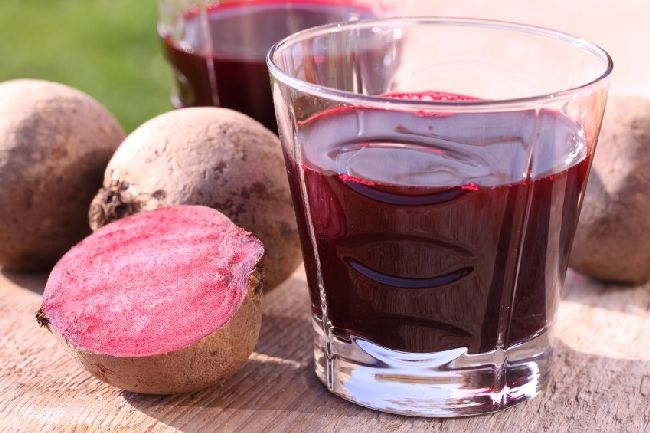
  • 200 ml freshly prepared beetroot juice
  • 200 ml freshly prepared carrot juice
  • 2 lemons, juiced
  • 200 g raisins, soaked
  • 200 g walnuts, finely crushed
  • 200 ml raw honey (optional, for taste and as a preservative)

Preparation:

  1. Combine the fresh beetroot juice, carrot juice, and lemon juice in a blender.
  2. Add the soaked raisins and blend until smooth.
  3. Stir in the finely crushed walnuts and honey (if using).
  4. Pour the mixture into a clean glass jar and store it in the refrigerator.

How These Ingredients Help

  • Beetroot and Carrot Juice: These are sources of folate and beta-carotene. Research published in the American Journal of Clinical Nutrition suggests that Vitamin A (which the body makes from beta-carotene) plays a vital role in mobilizing iron from storage sites.
  • Lemon Juice: Lemons are rich in Vitamin C (ascorbic acid), a powerful enhancer of non-heme (plant-based) iron absorption. Consuming Vitamin C with an iron source can increase its bioavailability significantly.
  • Raisins and Walnuts: Both are good sources of non-heme iron and other essential minerals that contribute to overall health.

Administration Protocol and Safety Limits

Even natural foods should be consumed in moderation. This supportive juice is no exception.

  • Recommended Intake: Consume one small glass (approximately 150 ml or 5 oz) per day, preferably in the morning.
  • Timing: For best absorption, consume it between meals, as compounds in main meals (like phytates and tannins) can inhibit iron uptake.
  • Duration: Use as a dietary supplement for 2-3 weeks, followed by a one-week break to assess its effects and avoid potential issues like sugar overload from the honey and raisins.
  • Overdose Risk: Excessive consumption of beetroot juice can cause beeturia (red or pink urine and stools), which is harmless but can be alarming. For individuals prone to kidney stones, high intake of beets (rich in oxalates) is not recommended.

Specific Biological Limitation

It is crucial to understand the two types of dietary iron and their absorption rates.

  • Heme Iron: Found in animal products like red meat, poultry, and fish. It is highly bioavailable, with the body absorbing up to 25% of it.
  • Non-Heme Iron: Found in plant-based foods like lentils, beans, spinach, and the ingredients in the juice above. Its absorption is much lower (2-10%) and is easily inhibited by compounds like phytates (in grains and legumes) and tannins (in tea and coffee).

Technical Warning: Relying solely on plant-based iron sources without including absorption enhancers like Vitamin C can be inefficient for correcting a significant iron deficiency. Therefore, pairing non-heme iron sources with a source of Vitamin C is a clinically recognized strategy to improve bioavailability.

Contraindications and Precautions

While a nutrient-rich diet is generally safe, certain conditions require caution.

  • Hemochromatosis: Individuals with this genetic disorder, which causes iron overload, must strictly avoid iron-rich foods and supplements.
  • Kidney Disorders: People with a history of oxalate kidney stones should limit their intake of high-oxalate foods like beets and walnuts.
  • Diabetes: This juice is high in natural sugars from honey, raisins, and beets. Individuals with diabetes should monitor their blood sugar levels carefully or consult their doctor before incorporating it into their diet.
  • Pregnancy and Breastfeeding: While the ingredients are generally safe, it is always best to consult a healthcare provider before starting any new dietary regimen during pregnancy or while breastfeeding.

Therapeutic Alternatives

If dietary changes are insufficient or unsuitable, other validated options are available.

Botanical Alternatives with Traditional Use

  1. Nettle Leaf (Urtica dioica): Traditionally used as a nutritive tonic, nettle leaf tea or infusion is rich in bioavailable iron and Vitamin C. It is often recommended by herbalists to support blood health and combat fatigue.
  2. Yellow Dock Root (Rumex crispus): This herb has a long history of use for improving iron absorption. As a bitter, it is thought to stimulate digestive function, which may enhance the uptake of minerals from food. It is typically used in tincture form under professional guidance.

Pharmacological Option

  • Oral Iron Supplements: The standard medical treatment for iron-deficiency anemia is prescription-strength iron supplements (e.g., ferrous sulfate, ferrous gluconate). These should only be taken under the supervision of a healthcare provider, as incorrect dosage can lead to iron toxicity.

Recent Medical Research (2020-2026)

Modern research continues to validate the link between diet and iron status.

  • A 2022 meta-analysis in the journal Nutrients reaffirmed that Vitamin C co-administration significantly improves iron absorption from fortified foods and supplements, highlighting the importance of food synergy.
  • Research is also exploring the role of the gut microbiome in iron absorption. A 2023 study in Cell Host & Microbe indicated that certain gut bacteria can influence how effectively the body utilizes dietary iron, opening new avenues for probiotic-based supportive therapies.

Current Limitations: While the benefits of individual nutrients are well-documented, high-quality clinical trials on specific multi-ingredient recipes like the one mentioned are scarce. Most evidence relies on the known properties of its components.

Specialist’s Summary

A diet rich in iron, Vitamin C, and other supporting nutrients is a fundamental strategy for preventing and managing mild iron deficiency. Plant-based sources like beetroot, leafy greens, and legumes can be effective, especially when combined with Vitamin C to enhance absorption. However, for moderate to severe anemia, these dietary measures must complement, not replace, medical treatment prescribed by a healthcare professional, which typically involves oral iron supplementation.

Frequently Asked Questions

1. How quickly can I raise my iron levels with diet alone?
Improving iron levels through diet is a gradual process that can take several weeks to months. It is most effective for preventing deficiency or correcting very mild cases. Significant deficiencies almost always require medical supplementation for faster and more effective results.

2. What are the best plant-based sources of iron?
Excellent plant-based sources of iron include lentils, chickpeas, tofu, spinach (cooked), pumpkin seeds, quinoa, and fortified cereals. Remember to pair them with a source of Vitamin C like bell peppers, broccoli, or citrus fruits.

3. Can I drink this juice if I am already taking iron pills?
Yes, this juice can generally be consumed alongside iron supplements. The Vitamin C from the lemon can even help with the absorption of your supplement. However, it’s best to take your iron pill separately (as directed by your doctor) and enjoy the juice at a different time of day to avoid any potential interactions.

Sources and References

  • Gautam, S., Platel, K., & Srinivasan, K. (2010). Influence of beta-carotene-rich vegetables on the bioaccessibility of iron and zinc from cereals and pulses. International Journal of Food Sciences and Nutrition.
  • Lynch, S. R., & Cook, J. D. (1980). Interaction of vitamin C and iron. Annals of the New York Academy of Sciences.
  • World Health Organization (WHO). (2021). Anaemia. [Monograph].

⚠️ Important Medical Information

This article is for educational and informational purposes only and is not intended as medical advice, diagnosis, or treatment. The information provided about dietary support for anemia is based on traditional use, preliminary research, and available scientific evidence, which may be limited.

Before making significant dietary changes or using herbal remedies:

  • Consult a qualified healthcare provider to get an accurate diagnosis and treatment plan, especially if you are pregnant, breastfeeding, taking medications, or have existing health conditions.
  • Do not use as a substitute for prescribed medications or professional medical treatment for anemia.
  • Individual results may vary – what works for one person may not work for another.
  • Monitor for adverse reactions and discontinue use if negative symptoms occur.

Regulatory status: The foods and herbs mentioned are not evaluated by the FDA for treating, curing, or preventing any disease.

Last updated: 2024-05-21


You may also like

Leave a Comment