Turmeric Tea for Inflammation and Joint Pain: Benefits and Safe Use
Turmeric (Curcuma longa), the vibrant golden spice, has been a cornerstone of traditional medicine systems like Ayurveda and Traditional Chinese Medicine for centuries. While widely known for its culinary uses, its primary value in phytotherapy comes from its active compound, curcumin. Modern research has increasingly focused on curcumin’s potential health benefits, particularly its role in managing inflammation.
This article provides an evidence-based overview of turmeric tea, explaining how it works, its potential benefits, and, most importantly, how to use it safely and effectively. We will explore scientifically supported uses, eliminating claims that lack medical validation.
How Curcumin Works: The Science Behind Turmeric
The main therapeutic actions of turmeric are attributed to curcuminoids, with curcumin being the most significant. Curcumin exerts its effects by interacting with multiple molecular targets in the body.
Furthermore, its primary mechanism involves modulating inflammatory pathways. According to research published in journals like Foods and Drug Design, Development and Therapy, curcumin can inhibit the activation of NF-κB (nuclear factor kappa B), a key protein complex that triggers the inflammatory response. Additionally, it may help regulate inflammatory enzymes like cyclooxygenase-2 (COX-2), similar to how some anti-inflammatory drugs work, but through different biological pathways.
However, a significant challenge with curcumin is its low bioavailability, meaning the body struggles to absorb and use it effectively. This is a critical factor to consider when preparing turmeric tea for therapeutic purposes.

How to Prepare Turmeric Tea for Optimal Absorption
To overcome curcumin’s poor absorption, preparation is key. Clinical observations and studies consistently show that combining turmeric with two specific ingredients dramatically increases its bioavailability:
- Black Pepper: Contains piperine, a compound that can increase curcumin absorption by up to 2,000%, according to well-established research.
- A Healthy Fat: Curcumin is fat-soluble, so consuming it with a source of fat like coconut oil, ghee, or full-fat milk (dairy or plant-based) helps the body absorb it.
Basic Turmeric Tea Recipe
This foundational recipe can be adapted based on your preferences and health goals.
- Ingredients:
- 1 cup (250 ml) of water or unsweetened milk (almond, coconut, or dairy)
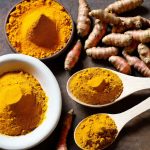
- 1 teaspoon of ground turmeric powder
- ¼ teaspoon of ground black pepper
- ½ teaspoon of coconut oil or ghee
- Honey or maple syrup to taste (optional)
- Instructions:
- Gently heat the water or milk in a small saucepan. Do not bring to a rolling boil.
- Add the turmeric, black pepper, and coconut oil. Whisk continuously for 2-3 minutes.
- Remove from heat and let it cool slightly.
- Strain if desired, add sweetener, and serve warm.
Therapeutic Variations
- For Joint Support (Turmeric Ginger Tea): Add ½ teaspoon of ground ginger or a few slices of fresh ginger to the saucepan. Ginger also possesses anti-inflammatory properties that may complement turmeric.
- For Immune Support (Turmeric Lemon Tea): After removing the tea from the heat, stir in the juice of half a lemon and a teaspoon of raw honey.
- Warming Turmeric Chai: Add a cinnamon stick, a few cardamom pods, and a clove to the saucepan for a warming, aromatic beverage.
Administration Protocol and Safety Limits
For therapeutic use, it is crucial to follow a structured protocol to ensure both safety and efficacy.
Treatment Duration
- Treatment Cycle: Consume turmeric tea daily for 4 to 8 weeks to assess its benefits.
- Mandatory Break: It is advisable to take a 2-week break after each cycle to allow the body to reset.
- Maximum Treatments: Up to 4-5 cycles per year are generally considered safe for healthy individuals.
Quantity and Maximum Dose
- Maximum Daily Dose: For a healthy adult, the generally accepted dose of turmeric powder for culinary or tea use is 1-3 grams per day (approximately ½ to 1.5 teaspoons).
- Frequency: Divide the daily dose into 1-2 cups of tea per day.
- Overdose Risk: Exceeding 8 grams of turmeric per day may increase the risk of gastrointestinal side effects such as nausea, diarrhea, or acid reflux.
Administration Conditions
- Timing: Always consume turmeric tea with or after a meal to improve absorption (due to fat content) and minimize the risk of stomach upset.
- Hydration: Ensure adequate water intake throughout the day.
- Incompatibilities: Avoid taking high doses of turmeric alongside anticoagulant medications without medical supervision.
Specific Biological Limitation
Antiplatelet (Blood-Thinning) Effect: Curcumin has been shown to inhibit platelet aggregation, which is the process of blood cells clumping together to form clots. While this can be beneficial for cardiovascular health in some contexts, it poses a significant risk for individuals with bleeding disorders or those taking blood-thinning medications. This effect can increase the risk of bruising and bleeding.
Technical Warning: Individuals scheduled for surgery should discontinue all turmeric supplements and high-dose tea at least two weeks prior to the procedure to prevent excessive bleeding. Always inform your surgeon about any herbal remedies you are taking.
Contraindications and Precautions
While generally safe when used appropriately, turmeric is not suitable for everyone.
| Condition / Group | Warning and Explanation |
|---|---|
| Pregnancy | Therapeutic doses are contraindicated as turmeric may stimulate uterine contractions. Culinary amounts are generally considered safe. |
| Breastfeeding | There is insufficient data on safety. Therefore, it is best to avoid therapeutic doses. |
| Gallbladder Issues | Turmeric stimulates bile production. This can worsen symptoms in individuals with gallstones or bile duct obstruction. |
| Bleeding Disorders | Due to its antiplatelet effect, turmeric can increase the risk of bleeding. It is forbidden for individuals with conditions like hemophilia. |
| Upcoming Surgery | Discontinue use at least 2 weeks before scheduled surgery to reduce bleeding risk. |
Major Drug Interactions
- Anticoagulants and Antiplatelet Drugs (e.g., Warfarin, Aspirin, Clopidogrel): Turmeric can amplify their effects, significantly increasing the risk of bleeding and bruising.
- Diabetes Medications: Curcumin may lower blood sugar levels. Consequently, combining it with diabetes drugs could lead to hypoglycemia (dangerously low blood sugar).
- Stomach Acid Reducers (e.g., Omeprazole): High doses of turmeric may interfere with the action of these medications, potentially increasing stomach acid production.
Therapeutic Alternatives
If turmeric is not suitable for you, other botanicals with strong scientific backing for inflammation are available. Importantly, each has its own safety profile.
- Boswellia (Boswellia serrata): Often called Indian Frankincense, Boswellia works by inhibiting a different inflammatory pathway (5-lipoxygenase or 5-LOX). For this reason, it is an excellent alternative or complementary herb for joint health, particularly osteoarthritis.
- Ginger (Zingiber officinale): A well-researched anti-inflammatory that inhibits both COX and LOX pathways. It is also highly effective for nausea and digestive upset, offering broader benefits.
- Devil’s Claw (Harpagophytum procumbens): This African plant has been recognized by Commission E for its use in managing low back pain and degenerative joint conditions like osteoarthritis.
Recent Medical Research (2020-2026)
Modern science continues to validate turmeric’s traditional uses, especially for inflammatory conditions.
- A 2021 systematic review and meta-analysis published in BMJ Open Sport & Exercise Medicine concluded that turmeric extract is effective in improving knee osteoarthritis symptoms and pain.
- Research published in Frontiers in Pharmacology in 2023 explored new delivery systems, such as nanoparticles and liposomes, to overcome curcumin’s low bioavailability, highlighting the ongoing effort to optimize its therapeutic potential.
Current Limitations: Despite promising results, much of the high-impact research uses standardized curcumin extracts, not turmeric tea. Therefore, the effects of the tea may be milder. More studies are needed to determine standardized effective dosages for tea infusions.
Specialist’s Summary
Turmeric tea is a useful preparation for supporting the management of mild inflammation, particularly related to joint health, with noticeable effects often appearing after several weeks of consistent use. However, it is strictly contraindicated for individuals with bleeding disorders, gallbladder obstruction, or those taking anticoagulant medications. Validated botanical alternatives with different mechanisms of action include Boswellia and Devil’s Claw.
Frequently Asked Questions
Is it safe to drink turmeric tea every day?
For most healthy individuals, drinking one cup of turmeric tea daily is safe. However, for therapeutic purposes, it is best to follow a cycling protocol (e.g., 4-8 weeks on, 2 weeks off) to prevent potential side effects and assess its effectiveness properly.
How long does it take for turmeric tea to work for joint pain?
The effects of turmeric are cumulative and not immediate. Consistent daily use for at least 4 to 6 weeks is typically required to notice a discernible improvement in chronic inflammatory symptoms like joint pain.
Can turmeric tea help with weight loss?
While some preliminary studies suggest curcumin may play a role in metabolic health, there is no strong evidence that drinking turmeric tea directly causes significant weight loss. Its primary benefit is managing inflammation, which can be a contributing factor to metabolic issues.
Sources and References
Recent Studies (2020-2026):
- Wang, Z., Singh, A., et al. (2021). The effect of turmeric extracts on knee osteoarthritis: a systematic review and meta-analysis. BMJ Open Sport & Exercise Medicine. https://www.ncbi.nlm.nih.gov/pmc/articles/PMC8572027/
- Stohs, S. J., Chen, O., et al. (2020). A Review of the Efficacy and Safety of Curcumin. Foods. https://www.mdpi.com/2304-8158/9/10/1389
Official Monographs:
- World Health Organization (WHO). (1999). Rhizoma Curcumae Longae. In WHO Monographs on Selected Medicinal Plants – Volume 1. https://www.who.int/publications/i/item/9241545178
⚠️ Important Medical Information
This article is for educational and informational purposes only and is not intended as medical advice, diagnosis, or treatment. The information provided about Turmeric (Curcuma longa) is based on traditional use, preliminary research, and available scientific evidence, which may be limited.
Before using Turmeric Tea for therapeutic purposes:
- Consult a qualified healthcare provider, especially if you are pregnant, breastfeeding, taking medications (particularly blood thinners or diabetes drugs), or have existing health conditions like gallbladder disease.
- Do not use as a substitute for prescribed medications or professional medical treatment.
- Individual results may vary – what works for one person may not work for another.
- Monitor for adverse reactions and discontinue use if negative symptoms occur.
Regulatory status: Turmeric is considered a food spice and dietary supplement. It has not been evaluated by the FDA for treating, curing, or preventing any disease.