Natural Gallbladder Support: Chamomile and Parsley Tea Uses and Safety

Learn how these traditional herbs may support bile flow and soothe digestion, with clear safety protocols and evidence-based alternatives.

by Ciprian
1 comment
A+A-
Reset

Herbal teas have been traditionally used for centuries to support digestive health. Among these, a simple infusion of chamomile and parsley is often mentioned for its potential to soothe discomfort associated with the gallbladder. However, it is crucial to distinguish between gentle, supportive care and unproven “cleansing” claims. This article provides an evidence-based perspective on how these herbs may function, their proper use, and essential safety protocols.

Disclaimer: This information is for educational purposes only. It is not intended to diagnose, treat, or cure any medical condition, especially gallbladder disease, which requires professional medical evaluation.

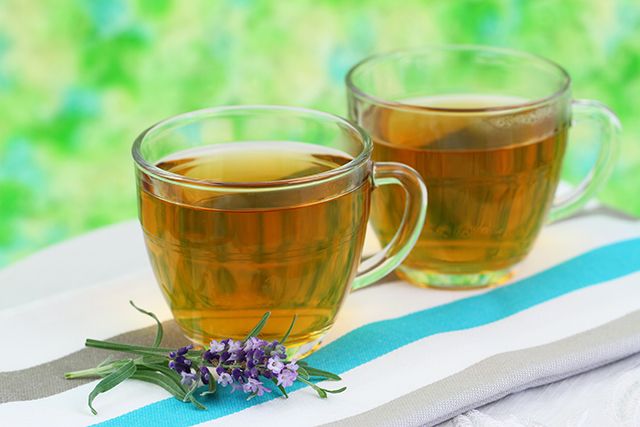
Chamomile and Parsley Tea

Understanding Gallbladder Function and Common Issues

The gallbladder is a small organ situated beneath the liver. Its primary role is to store and concentrate bile, a fluid produced by the liver that is essential for digesting fats. When you eat a meal containing fats, the gallbladder contracts, releasing bile into the small intestine.

Problems can arise when this process is disrupted. Common issues include:

  • Cholecystitis: Inflammation of the gallbladder, often caused by gallstones blocking the bile duct.
  • Biliary Colic: Intense, spasmodic pain that occurs when a gallstone temporarily blocks a bile duct.
  • Gallstones (Cholelithiasis): Hardened deposits of digestive fluid that can form in the gallbladder.

Symptoms often include pain in the upper right abdomen (which may radiate to the back or shoulder), nausea, bloating, and indigestion, particularly after consuming fatty foods. Importantly, these symptoms warrant immediate medical attention to rule out serious complications.

The Potential Role of Chamomile and Parsley in Biliary Health

While no tea can “cleanse” the gallbladder or dissolve gallstones, certain herbs may offer symptomatic relief for mild digestive discomfort by supporting the biliary system’s normal function.

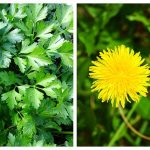
Chamomile (Matricaria recutita)

Chamomile is well-documented in official monographs from the European Medicines Agency (EMA) and WHO for its mild sedative, anti-inflammatory, and antispasmodic properties. Its potential benefits for gallbladder-related discomfort stem from these actions:

  • Antispasmodic Effect: Chamomile contains flavonoids like apigenin, which have been shown to relax smooth muscle tissue. According to research published in journals like Molecular Medicine Reports, this action may help soothe the painful spasms of biliary colic.
  • Anti-inflammatory Action: Compounds such as chamazulene and bisabolol contribute to chamomile’s anti-inflammatory effects, which could theoretically help reduce mild irritation in the biliary tract.

Parsley (Petroselinum crispum)

Parsley is traditionally known more for its diuretic properties than for direct gallbladder effects. However, its traditional use in digestive blends may be linked to two potential mechanisms:

  • Diuretic Properties: The volatile oils in parsley, including apiol and myristicin, promote urination. While this doesn’t directly impact the gallbladder, it is part of its traditional role in “flushing” systems.
  • Traditional Use as a Cholagogue: In traditional herbalism, parsley is sometimes considered a mild cholagogue, an agent that promotes the flow of bile. However, modern scientific evidence to strongly support this specific action is limited.

How to Prepare a Supportive Chamomile and Parsley Tea

This recipe is intended for mild digestive support and should not be used during an acute gallbladder attack.

Ingredients:

  • 1 teaspoon dried chamomile flowers
  • 1 tablespoon fresh, chopped parsley leaves (or 1 teaspoon dried)
  • 250 ml (approx. 8 oz) of boiling water
  • Optional: 1 teaspoon of honey (add only when the tea has cooled slightly)

Instructions:

  1. Place the chamomile and parsley in a mug or teapot.
  2. Pour the boiling water over the herbs.
  3. Cover and let steep for 10-15 minutes to ensure the extraction of active compounds.
  4. Strain the herbs and drink the tea while warm.

Administration Protocol and Safety Limits

Proper administration is key to safety and effectiveness. Therefore, follow these guidelines strictly.

Parameter Guideline
Maximum Daily Dose 1-2 cups (250-500 ml) per day for a healthy adult.
Treatment Duration Use for short periods of 5-7 days for symptomatic relief. Not intended for long-term daily consumption.
Mandatory Break Take a break of at least 7 days between treatment periods.
Timing of Administration Best consumed 20-30 minutes after a meal to aid digestion. Avoid drinking on an empty stomach if it causes discomfort.

Overdose Risk: Exceeding the recommended dose, particularly with parsley, may increase the risk of adverse effects without providing additional benefits.

Specific Biological Limitation

Parsley’s Uterine Stimulant and Nephrotoxic Potential: Parsley contains compounds like apiol and myristicin. In concentrated amounts or high doses, apiol acts as a potent uterine stimulant (emmenagogue), which can induce uterine contractions. This makes it extremely dangerous during pregnancy. Furthermore, these same compounds can be irritating to the kidneys (nephrotoxic) in high doses, posing a risk to individuals with pre-existing kidney conditions.

Contraindications and Precautions

⚠️ CRITICAL WARNING: Never use this or any other herbal remedy during a suspected acute gallbladder attack, which is a medical emergency. If you have known gallstones, consult a doctor before use, as stimulating bile flow with a blocked duct can cause severe pain and serious complications.

Absolute Contraindications (DO NOT USE)

  • Pregnancy: Parsley is a known emmenagogue and is strictly contraindicated.
  • Known Gallstone Obstruction: Stimulating bile flow can worsen the condition.
  • Severe Kidney Disease: Parsley may exacerbate kidney issues.
  • Allergies: Do not use if you are allergic to the Asteraceae family (chamomile, ragweed, daisies) or the Apiaceae family (parsley, celery, carrots).

Vulnerable Populations

  • Breastfeeding: Safety has not been established. It is best to avoid it.
  • Children: Consult a qualified healthcare provider for appropriate remedies and dosages.

Major Drug Interactions

  • Anticoagulants (e.g., Warfarin): Both chamomile and high amounts of parsley (rich in Vitamin K) can potentially interfere with blood-thinning medications.
  • Sedatives: Chamomile can enhance the effect of sedatives, benzodiazepines, and alcohol.
  • Diuretics: Parsley may increase the effect of diuretic medications, potentially leading to dehydration or electrolyte imbalance.

Therapeutic Alternatives

If this tea is not suitable for you, several evidence-based botanical alternatives exist for supporting liver and gallbladder health. Always consult a healthcare provider before starting a new supplement.

  1. Artichoke Leaf Extract (Cynara scolymus): A well-researched choleretic (increases bile production) and cholagogue (promotes bile flow). It is often recommended for indigestion and bloating related to poor fat digestion.
  2. Milk Thistle (Silybum marianum): Contains silymarin, a powerful antioxidant complex that protects liver cells from damage and supports liver regeneration. A healthy liver produces healthy bile.
  3. Turmeric (Curcuma longa): The active compound, curcumin, is a potent anti-inflammatory and has been shown to stimulate gallbladder contraction, improving bile flow. It should be used with caution by individuals with gallstones.

Recent Medical Research (2020-2026)

Recent research continues to validate the traditional uses of these herbs, although studies specifically on gallbladder “cleanses” are nonexistent.

  • A 2022 meta-analysis published in Phytotherapy Research reaffirmed the significant anti-inflammatory and antioxidant effects of chamomile extracts, supporting its role in managing inflammatory conditions.
  • Studies on parsley continue to focus on its diuretic and antioxidant properties. Research is still needed to scientifically validate its traditional use as a cholagogue.

Current Limitations: There is no high-quality clinical evidence to suggest that a chamomile and parsley tea can “cleanse” the gallbladder, dissolve stones, or treat gallbladder disease. Its use is purely supportive and symptomatic for mild digestive discomfort.

Specialist’s Summary

Chamomile and parsley tea may offer mild, symptomatic relief for digestive discomfort and bloating, primarily due to chamomile’s antispasmodic properties. It is not a treatment for gallbladder disease and is strictly contraindicated in pregnancy, for individuals with known gallstone obstructions, and those with severe kidney disease. For evidence-based biliary support, validated alternatives like Artichoke Leaf Extract or Milk Thistle are more appropriate and should be discussed with a healthcare professional.

Frequently Asked Questions

1. Can chamomile and parsley tea dissolve gallstones?
No. There is no scientific evidence that this or any other herbal tea can dissolve existing gallstones. This claim is a dangerous myth. Gallstone treatment requires medical intervention.

2. Is this tea safe to drink every day?
It is not recommended for long-term daily use. It is best used for short periods (5-7 days) to manage occasional, mild digestive symptoms. Chronic gallbladder issues require a medical diagnosis.

3. Can I use this tea during a gallbladder attack?
Absolutely not. A gallbladder attack (severe, persistent pain) is a medical emergency. Do not attempt to self-treat with herbal remedies. Seek immediate medical care.

4. Is this tea safe for children or during pregnancy?
No. This tea is strictly forbidden during pregnancy due to the uterine-stimulating effects of parsley. Its safety in children has not been established, and a pediatrician should be consulted.

Sources and References

  • Miraj, S., & Alesaeidi, S. (2016). A systematic review of the effect of chamomile (Matricaria recutita L.) on health. Journal of Clinical and Diagnostic Research.
  • European Medicines Agency (EMA). (2015). European Union herbal monograph on Matricaria recutita L., flos.
  • Farzaei, M. H., et al. (2013). A review of the pharmacological and therapeutic effects of Petroselinum crispum (Parsley). Journal of Traditional Chinese Medicine.

⚠️ Important Medical Information

This article is for educational and informational purposes only and is not intended as medical advice, diagnosis, or treatment. The information provided about Chamomile and Parsley is based on traditional use, preliminary research, and available scientific evidence, which may be limited.

Before using Chamomile and Parsley tea:

  • Consult a qualified healthcare provider, especially if you are pregnant, breastfeeding, taking medications, or have existing health conditions like gallbladder disease or kidney problems.
  • Do not use as a substitute for prescribed medications or professional medical treatment.
  • Individual results may vary – what works for one person may not work for another.
  • Monitor for adverse reactions and discontinue use if negative symptoms occur.


You may also like

1 comment

Lorraine Fox December 14, 2014 - 18:56

What do have for the colon !

Reply

Leave a Comment