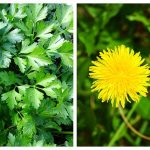
Apigenin in Parsley: What Research Says About Its Health Benefits

by Andreea Smiterson
0 comments
A+A-
Reset

Parsley (*Petroselinum crispum*) is far more than a simple culinary garnish. Traditionally used in herbal medicine as a diuretic and for digestive support, this common herb is now the subject of modern scientific inquiry. Specifically, researchers are interested in its rich concentration of flavonoids, particularly a compound called apigenin, for its potential health-promoting properties.

However, it is crucial to approach this topic with scientific accuracy and caution. While preliminary research is promising, parsley is not a cure for any disease. This article will explore the evidence-based benefits of parsley, its active compounds, and the essential safety protocols for its use.

parsley and cancer

The Science of Parsley: Understanding Apigenin

The primary compound of interest in parsley is apigenin, a flavonoid found in many plants, including chamomile, celery, and oranges. Dried parsley, in particular, contains one of the highest concentrations of this compound.

Scientific interest in apigenin stems from its observed effects in laboratory settings. For instance, research published in journals like *Cancer Letters* and *Nutrients* has explored how apigenin interacts with cellular pathways. Studies suggest it may exhibit several mechanisms of action:

  • Antioxidant Activity: Apigenin helps neutralize free radicals, which are unstable molecules that can cause cellular damage (oxidative stress), a factor linked to chronic diseases.
  • Anti-inflammatory Effects: It may help modulate inflammatory pathways in the body, such as the NF-κB pathway, which plays a role in chronic inflammation.
  • Induction of Apoptosis: Laboratory (in vitro) studies indicate that apigenin can trigger apoptosis, or programmed cell death, in various cancer cell lines. This is a natural process the body uses to eliminate damaged or abnormal cells.
  • Inhibition of Angiogenesis: Some pre-clinical research suggests apigenin may interfere with the formation of new blood vessels that tumors require to grow and spread.

Importantly, these findings are primarily from cell culture and animal studies. They do not prove that eating parsley can prevent or treat cancer in humans. This research provides a foundation for further investigation but should not be interpreted as a recommendation for self-treatment.

Other Potential Health Benefits of Parsley

Beyond apigenin, parsley is a nutrient-dense herb that offers other health benefits when included as part of a balanced diet.

Bone Health: Parsley is an excellent source of Vitamin K, a nutrient essential for bone metabolism and proper blood clotting. Adequate Vitamin K intake is associated with a lower risk of bone fractures. Furthermore, it contains minerals like calcium and magnesium, which are building blocks for strong bones.

Urinary and Kidney Support: Traditionally, parsley has been used as a natural diuretic to help increase urine flow and flush out excess fluids. This action may help reduce bloating and support kidney function. However, due to its high oxalate content, it should be avoided by individuals with a history of kidney stones.

Administration Protocol and Safety Limits

While culinary use of parsley is generally safe for most people, therapeutic use requires clear guidelines to avoid adverse effects.

1. Treatment Duration

  • Culinary Use: Can be consumed regularly as part of a balanced diet without restriction.
  • Therapeutic Use (e.g., strong tea or infusions): Limit continuous use to 2-3 weeks.
  • Mandatory Break: Take a break of at least 7-10 days between therapeutic cycles.

2. Quantity and Maximum Dose

  • Fresh Parsley: Up to 1 cup (approximately 60 grams) of fresh, chopped parsley per day is generally considered safe for healthy adults.
  • Dried Parsley: A common culinary dose is 1-2 teaspoons per day. Therapeutic doses should not exceed 6 grams of dried herb daily.
  • Overdose Risk: Consuming excessively high amounts, especially of parsley seed oil or concentrated extracts, can lead to kidney irritation, photosensitivity, and uterine stimulation. Never ingest parsley essential oil.

3. Administration Condition

  • For Nutrient Preservation: Add fresh parsley to dishes at the end of the cooking process to preserve its volatile compounds and vitamins.
  • Hydration: When using parsley for its diuretic effects, ensure you drink plenty of water to prevent dehydration.
  • Incompatibilities: Avoid high therapeutic doses if you are taking blood-thinning medications or have kidney disorders.

Specific Biological Limitation

High Oxalate Content: Parsley contains oxalates, which are natural compounds that can bind to calcium and form crystals. For most people, this is not an issue. However, for individuals predisposed to forming calcium oxalate kidney stones, high consumption of oxalate-rich foods like parsley can increase the risk of stone formation. Therefore, people with a history of kidney stones should consume parsley in moderation.

Contraindications and Precautions

It is essential to understand who should avoid parsley in therapeutic amounts.

Absolute Contraindications (FORBIDDEN):

  • Pregnancy: Parsley, particularly its seeds and oil, contains compounds like apiol and myristicin that can stimulate uterine contractions and may increase the risk of miscarriage. It is strictly contraindicated in therapeutic doses during pregnancy.
  • Severe Kidney Disease: Individuals with chronic kidney disease or impaired kidney function should avoid parsley due to its high oxalate content and diuretic effect, which can strain the kidneys.

Major Drug Interactions:

  • Anticoagulants (e.g., Warfarin): Parsley is very high in Vitamin K, which plays a key role in blood clotting. Sudden increases in Vitamin K intake can interfere with the effectiveness of blood-thinning medications, potentially increasing the risk of clots.
  • Diuretics (Water Pills): Combining parsley’s natural diuretic effect with prescription diuretics can lead to excessive fluid and electrolyte loss, causing dehydration and mineral imbalances.
  • Chemotherapy Drugs: Some preliminary evidence suggests that high doses of apigenin might interfere with the metabolism and efficacy of certain chemotherapy agents. Consequently, patients undergoing cancer treatment should not use parsley supplements without explicit approval from their oncologist.

Documented Adverse Effects:

  • Photosensitivity: Parsley contains furanocoumarins, which can make the skin more sensitive to sunlight in some individuals, especially when consumed in very large quantities.
  • Allergic Reactions: Though rare, some people may experience allergic reactions, including skin rashes.

Therapeutic Alternatives

If parsley is not suitable for you, other botanicals with well-researched compounds offer similar potential benefits. Always consult a healthcare provider before starting any new supplement.

  1. Green Tea (*Camellia sinensis*): Rich in a polyphenol called EGCG (epigallocatechin gallate), green tea has been extensively studied for its powerful antioxidant and anti-inflammatory properties.
  2. Turmeric (*Curcuma longa*): The active compound, curcumin, is a potent anti-inflammatory agent with a large body of research supporting its role in modulating cellular health pathways.
  3. Chamomile (*Matricaria recutita*): Another excellent source of apigenin, chamomile is best known for its calming effects but also possesses significant anti-inflammatory and antioxidant benefits.

Recent Medical Research (2020-2026)

Modern research continues to validate the traditional understanding of parsley’s compounds while uncovering new mechanisms. A 2022 review published in the journal *Molecules* highlighted apigenin’s multi-faceted role in targeting various hallmarks of cancer in pre-clinical models. Similarly, a 2023 study in *Food & Function* explored how apigenin could modulate the gut microbiota, suggesting an indirect pathway for its health benefits.

Current Limitations: Despite these promising findings, a significant gap remains between laboratory results and human clinical evidence. We still lack large-scale, randomized controlled trials to confirm whether dietary intake of parsley or apigenin can prevent or impact cancer outcomes in humans. The current scientific verdict is that parsley is a healthy dietary component, but its role as a therapeutic agent for cancer remains unproven.

Specialist’s Summary

Parsley is a nutrient-rich herb whose primary compound, apigenin, shows significant antioxidant and anti-inflammatory potential in laboratory research. While it is a valuable addition to a healthy diet for its vitamin and mineral content, its use as a cancer-fighting agent in humans is not supported by current clinical evidence. It is strictly contraindicated in therapeutic doses during pregnancy and for individuals with kidney disease or those taking blood thinners. Validated alternatives with more robust research include green tea and turmeric.

Frequently Asked Questions

1. Can eating parsley cure or prevent cancer?

No. There is absolutely no scientific evidence that eating parsley can cure or prevent cancer in humans. While its compounds are being studied for their potential, it should never be used as a substitute for conventional medical treatment.

2. How much parsley is safe to eat daily?

For most healthy adults, consuming parsley in normal culinary amounts (e.g., a few tablespoons of fresh parsley) is safe. Therapeutic doses, such as concentrated teas, should be used with caution and for limited periods.

3. Who should avoid taking parsley supplements?

Pregnant women, individuals with severe kidney disease or a history of kidney stones, and people taking anticoagulant medications (like Warfarin) should avoid parsley supplements and high therapeutic doses.

4. Is parsley safe for children, during pregnancy, or while breastfeeding?

Parsley in small, culinary amounts is generally safe for children. However, it is strictly contraindicated in therapeutic doses during pregnancy due to its potential to stimulate uterine contractions. There is insufficient data on its safety during breastfeeding, so it is best to consume it only in food amounts.

Sources and References

  • Madunić, J., et al. (2022). Apigenin: A Promising Molecule for Cancer Prevention and Therapy. *Molecules*.
  • Salehi, B., et al. (2019). The Therapeutic Potential of Apigenin. *International Journal of Molecular Sciences*.
  • Wang, M., et al. (2023). Apigenin and its impact on gut microbiota: A review of the literature. *Food & Function*.
  • European Medicines Agency (EMA). Community herbal monograph on *Petroselinum crispum*.

⚠️ Important Medical Information

This article is for educational and informational purposes only and is not intended as medical advice, diagnosis, or treatment. The information provided about Parsley is based on traditional use, preliminary research, and available scientific evidence, which may be limited.

Before using Parsley:

  • Consult a qualified healthcare provider, especially if you are pregnant, breastfeeding, taking medications, or have existing health conditions like kidney disease.
  • Do not use as a substitute for prescribed medications or professional medical treatment for cancer or any other condition.
  • Individual results may vary – what works for one person may not work for another.
  • Monitor for adverse reactions and discontinue use if negative symptoms occur.


You may also like

Leave a Comment