The Role of Turmeric in Supporting Liver and Digestive Health: A Guide to Safe Use

by Andreea Smiterson
0 comments
A+A-
Reset

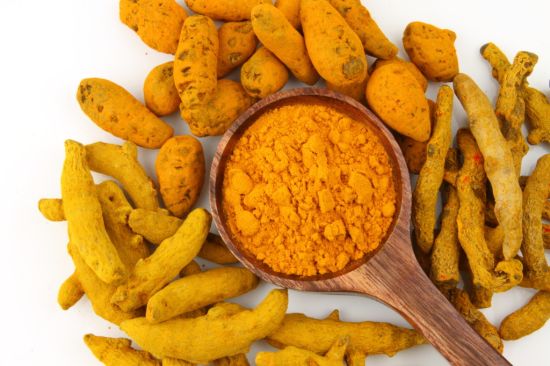
Turmeric (Curcuma longa), a prominent spice in Asian cuisine and traditional medicine, has garnered significant attention for its potential health benefits, particularly for the liver and digestive system. Its primary active compound, curcumin, is responsible for its vibrant color and potent anti-inflammatory and antioxidant properties. Both Traditional Chinese Medicine and Ayurveda have long utilized turmeric to alleviate symptoms such as bloating and gas, improve digestion, and support liver function. However, to harness its benefits safely and effectively, it is crucial to understand its proper administration, limitations, and potential risks.

⚠️ WARNING – Risk of Increased Bleeding!

Turmeric and its active compound, curcumin, possess natural antiplatelet (blood-thinning) properties. Consequently, individuals with bleeding disorders, those taking anticoagulant or antiplatelet medications (such as warfarin, clopidogrel, or aspirin), or those scheduled for surgery within two weeks must avoid turmeric supplements and high-dose consumption. Always consult a healthcare provider before incorporating therapeutic doses of turmeric into your regimen.

Pudră de Turmeric

Turmeric Powder

Understanding Turmeric’s Health Benefits

Modern research has begun to validate many of turmeric’s traditional uses. The therapeutic actions of curcumin are multifaceted, offering several potential benefits for systemic health.

    • Anti-inflammatory Action: Chronic inflammation is a key driver of many liver and digestive diseases. Curcumin has been shown to modulate inflammatory pathways in the body, such as inhibiting the activity of NF-κB, a molecule that activates genes related to inflammation.
    • Liver Support: Turmeric supports the liver through several mechanisms. Firstly, its antioxidant properties help protect liver cells (hepatocytes) from damage caused by free radicals and toxins. Secondly, it may enhance the body’s natural detoxification processes.
    • Digestive Aid: Turmeric acts as a cholagogue, meaning it stimulates bile production from the gallbladder. Improved bile flow is essential for digesting fats and can help relieve symptoms of indigestion and bloating.
    • Antioxidant Properties: Curcumin can neutralize harmful free radicals and also boosts the activity of the body’s own antioxidant enzymes, providing a dual-defense mechanism against oxidative stress.

Administration Protocol and Safety Limits

Effective and safe use of turmeric requires adherence to specific protocols, primarily due to the poor bioavailability of curcumin.

1. Treatment Duration

    • Standard Treatment Cycle: For therapeutic purposes, use turmeric consistently for 4 to 8 weeks.
    • Mandatory Break: Follow each treatment cycle with a mandatory break of at least 2 to 4 weeks. This helps prevent potential adverse effects from long-term, uninterrupted use.
    • Maximum Duration: Do not exceed 3-4 treatment cycles per year without consulting a healthcare professional to monitor liver function and overall health.

2. Quantity and Maximum Dose

    • As a Spice: Used freely in cooking without significant risk.
    • As a Therapeutic Tea/Tonic: Maximum 1-3 grams of dried turmeric powder per day (approximately ½ to 1.5 teaspoons).
    • Standardized Extracts: Follow the manufacturer’s instructions, as concentrations vary. Doses in clinical studies often range from 500 to 2,000 mg of curcuminoids per day.
    • Overdose Risk: Exceeding 8 grams of curcumin per day significantly increases the risk of gastrointestinal side effects, such as nausea, diarrhea, and stomach upset.

3. Administration Condition for Efficacy

    • Enhance Absorption: Curcumin is poorly absorbed on its own. Therefore, always consume it with a source of healthy fat (like coconut milk, yogurt, or olive oil) and a pinch of black pepper. The piperine in black pepper can increase curcumin’s bioavailability by up to 2,000%.
    • Timing: Take with or after a meal to maximize absorption and minimize the risk of gastric irritation.
    • Method of Consumption: For teas or tonics, ensure the powder is well-mixed. The recipe below provides a validated method for effective preparation.

Specific Biological Limitation

Antiplatelet and Anticoagulant Effects

The primary biological limitation of turmeric is its influence on blood coagulation. Curcumin has been shown to inhibit platelet aggregation, a crucial step in the formation of blood clots. It achieves this by interfering with signaling pathways involving thromboxane A2 and other factors. While this effect can be beneficial in preventing unwanted clots, it becomes a significant risk for certain individuals.

Technical Warning: This antiplatelet activity creates a synergistic effect when combined with anticoagulant medications (e.g., warfarin) or antiplatelet drugs (e.g., aspirin, clopidogrel). This combination can dangerously increase the risk of spontaneous bleeding and bruising. For this reason, individuals on these medications or with pre-existing bleeding disorders must avoid therapeutic doses of turmeric. Furthermore, all turmeric supplements should be discontinued at least two weeks prior to any surgical procedure to prevent excessive intraoperative bleeding.

Contraindications and Precautions

Absolute Contraindications

    • Bile Duct Obstruction: As turmeric stimulates bile flow, it is strictly forbidden for individuals with blocked bile ducts.
    • Bleeding Disorders: Avoid in conditions like hemophilia or von Willebrand disease.
    • Pre-Surgery: Discontinue use at least 2 weeks before scheduled surgery.

Vulnerable Populations

    • Pregnancy: High doses should be avoided as turmeric can act as a uterine stimulant. Culinary use is generally considered safe.
    • Breastfeeding: Insufficient data exists on its safety; therefore, it is best to avoid therapeutic doses.
    • Gallstones: Use with caution. While it can help prevent gallstones, it may cause pain in individuals who already have them. Consult a doctor first.
    • Children: Culinary use is safe. For therapeutic use, consult a pediatrician for appropriate dosing.

Major Drug Interactions

    • Anticoagulants/Antiplatelets (Warfarin, Aspirin): Increases the risk of bleeding.
    • Diabetes Medications: May enhance the effect of these drugs, potentially causing hypoglycemia (low blood sugar). Monitor blood glucose levels closely.
    • Stomach Acid Reducers (Omeprazole, Ranitidine): Turmeric may interfere with the action of these drugs, potentially increasing stomach acid production.

Documented Adverse Effects

    • Common: Nausea, diarrhea, indigestion, or dizziness, especially at higher doses.
    • Rare: Allergic skin reactions.

Validated Home Preparation: Golden Milk

The simple tonic of turmeric in water has very low efficacy due to poor absorption. A far superior and traditionally validated method is “Golden Milk,” which incorporates fat and black pepper to maximize bioavailability.

Ingredients

    • 1 cup (240 ml) of milk or a plant-based alternative (coconut, almond, or oat milk work well)
    • 1 teaspoon of turmeric powder
    • ¼ teaspoon of ground black pepper (or a few whole peppercorns)
    • ½ teaspoon of cinnamon powder (optional)
    • ½ teaspoon of grated fresh ginger (optional)
    • 1 teaspoon of coconut oil or almond oil
    • 1 teaspoon of honey or maple syrup to taste (add at the end)

Preparation Method

    • Combine the milk, turmeric powder, black pepper, cinnamon, ginger, and coconut oil in a small saucepan.
    • Warm the mixture over medium heat, stirring constantly. Do not allow it to boil.
    • Once it is warm and well-combined (about 4-5 minutes), remove it from the heat.
    • Strain the mixture if you used fresh ginger or whole peppercorns.
    • Stir in the honey or maple syrup until dissolved.
    • Serve immediately for best results.

Therapeutic Alternatives

If turmeric is not suitable for you, other evidence-based alternatives can support liver and digestive health.

Botanical Alternatives with Studies

    • Milk Thistle (Silybum marianum): The gold standard for liver protection. Its active compound, silymarin, has strong antioxidant and regenerative effects on liver cells. It is particularly well-studied for toxic liver damage and chronic liver conditions.
    • Artichoke Leaf (Cynara scolymus): Excellent for stimulating bile production and supporting fat digestion. It also has a mild hepatoprotective effect and can help lower cholesterol.
    • Ginger (Zingiber officinale): A powerful anti-inflammatory and digestive aid. It is highly effective for nausea, bloating, and indigestion and belongs to the same plant family as turmeric.

Note: Each alternative has its own unique profile of benefits and contraindications.

Recent Medical Research (2020-2026)

Recent studies continue to explore the therapeutic potential of curcumin, focusing on standardized extracts for consistent results.

    • A 2021 meta-analysis published in Complementary Therapies in Medicine concluded that curcumin supplementation significantly improved liver enzymes (ALT and AST) in patients with non-alcoholic fatty liver disease (NAFLD).
    • Research published in Nutrients in 2022 highlighted curcumin’s ability to modulate gut microbiota, suggesting a beneficial role in managing inflammatory bowel disease (IBD) by promoting a healthier gut environment.

Current Limitations: The primary challenge remains curcumin’s low bioavailability. Most successful clinical trials use specialized formulations (e.g., with piperine, phospholipids, or nanoparticles) to ensure adequate absorption. The effects of whole turmeric powder, while beneficial, are generally less potent than these standardized extracts.

Quick Guide: Turmeric Safety

Category Details
❌ Who should AVOID • Individuals with bile duct obstruction
• Those with bleeding disorders
• Anyone scheduled for surgery in the next 2 weeks
• Pregnant women (therapeutic doses)
📊 Maximum safe dose • Adults: 1-3 grams of powder per day
• Treatment duration: 4-8 weeks
• Mandatory break: 2-4 weeks
🚨 ALARM signs • Persistent stomach pain or diarrhea
• Skin rashes or hives
• Unusual bruising or bleeding
💊 Major interactions • Blood thinners (Warfarin, Aspirin)
• Diabetes medications
⏱️ When to consult a doctor IMMEDIATELY if alarm signs appear OR
Before starting if you have gallstones or take prescription medication.

💡 Golden rule: When in doubt, consult a healthcare professional or a qualified phytotherapist before using turmeric for therapeutic purposes.

Specialist’s Summary

Turmeric is a valuable botanical for supporting liver health and digestion due to its potent anti-inflammatory and antioxidant effects. For efficacy, it must be consumed with fat and black pepper to overcome its poor bioavailability. It is contraindicated in individuals with bile duct obstruction or bleeding disorders and interacts significantly with anticoagulant medications. Validated alternatives like Milk Thistle or Artichoke Leaf should be considered if turmeric is not appropriate.

Frequently Asked Questions

Can turmeric reverse liver damage like cirrhosis?

No. Turmeric cannot reverse advanced liver damage such as cirrhosis. However, its anti-inflammatory and antioxidant properties may help protect the liver from further injury and support overall liver function in conditions like fatty liver disease. It should only be used as an adjunct to conventional medical treatment, not as a replacement.

How long does it take for turmeric to work for digestive issues?

For acute digestive symptoms like bloating or indigestion, you may notice benefits within a few hours to a few days of consistent use. For chronic inflammatory conditions, it may take several weeks (4 to 8) of daily, correctly administered doses to observe significant improvements.

Is it safe to take turmeric every day?

While culinary use is safe daily, taking therapeutic doses of turmeric every day indefinitely is not recommended. It is best to follow a cyclical approach, such as taking it for 4-8 weeks followed by a 2-4 week break, to minimize any potential long-term risks.

What are the best alternatives to turmeric for liver support?

The most well-researched botanical alternative for direct liver protection is Milk Thistle (Silybum marianum). For digestive support and bile flow, Artichoke Leaf (Cynara scolymus) is an excellent choice. Both have strong safety profiles and extensive scientific backing.

Sources and References

Recent Studies (2020-2026):

    • Hadi, A., et al. (2021). The effect of curcumin/turmeric on liver enzymes in patients with non-alcoholic fatty liver disease: A systematic review and meta-analysis of randomized controlled trials. Complementary Therapies in Medicine. DOI: 10.1016/j.ctim.2021.102778
    • Scazzocchio, B., et al. (2020). The Curcumin-Gut Microbiota Axis: A New Paradigm of Interaction. Nutrients. DOI: 10.3390/nu12092655

Official Monographs:

    • World Health Organization (WHO). (1999). Rhizoma Curcumae Longae. In WHO Monographs on Selected Medicinal Plants – Volume 1. Access via WHO Publications


You may also like

Leave a Comment