Turmeric (*Curcuma longa*) is more than just a vibrant spice; it is a cornerstone of traditional medicine, particularly in Ayurveda, where it has been used for centuries to address inflammation and support overall wellness. Its primary active compound, curcumin, is the focus of extensive modern research.
This article provides a carefully formulated smoothie recipe designed to maximize turmeric’s potential benefits. Furthermore, we will explore the science behind its effects, proper administration protocols, and crucial safety information to ensure its responsible use.
The Science Behind Turmeric’s Anti-Inflammatory Potential
The health benefits of turmeric are primarily attributed to curcuminoids, with curcumin being the most significant. Scientific inquiry has revealed several mechanisms through which curcumin may exert its effects.
Mechanism of Action:
- Anti-Inflammatory Effects: Research published in journals like Drug Design, Development and Therapy indicates that curcumin can modulate inflammatory pathways. Specifically, it may inhibit the activation of NF-κB, a molecule that triggers the genes responsible for inflammation. This action is central to its potential role in managing conditions associated with chronic inflammation.
- Antioxidant Properties: Curcumin is also a potent antioxidant. It can neutralize harmful free radicals and, moreover, may boost the activity of the body’s own antioxidant enzymes. This dual action helps protect cells from oxidative stress, a key factor in aging and many chronic diseases.
An Enhanced Turmeric Smoothie Recipe for Better Absorption
For curcumin to be effective, the body must be able to absorb it. Curcumin has poor bioavailability on its own, meaning very little of it enters the bloodstream after consumption. Therefore, this recipe includes two key ingredients to enhance its absorption significantly.

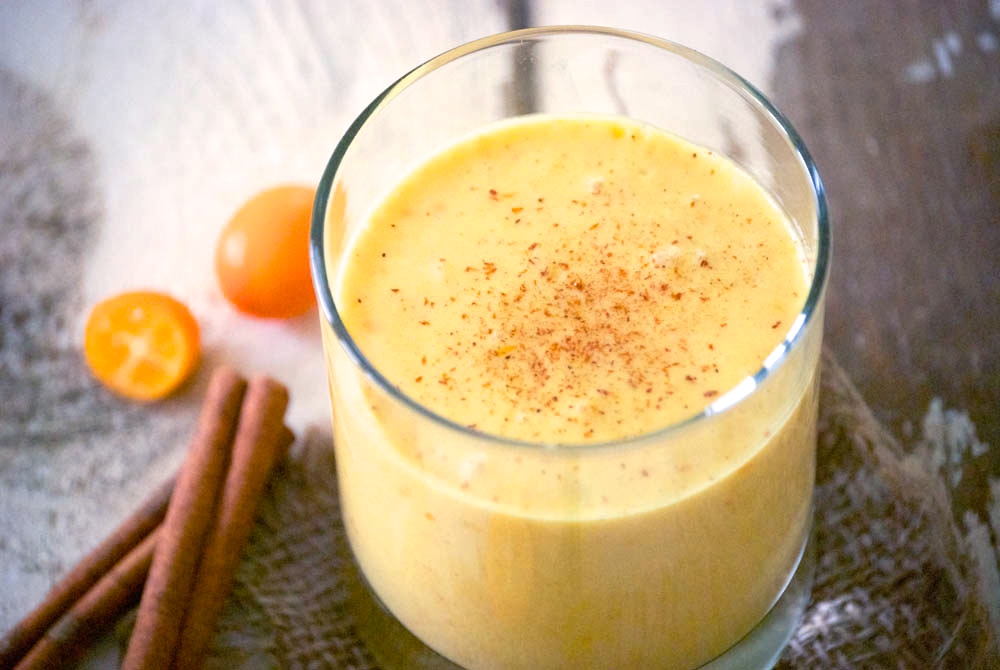
Ingredients
- Frozen mango or pineapple chunks – 1 cup
- Unsweetened coconut or almond milk – 1 cup
- Fresh or frozen banana – ½
- Ground turmeric powder – 1 teaspoon (approx. 2-3 grams)
- Freshly ground black pepper – 1 pinch (approx. 1/8 teaspoon)
- Cold-pressed coconut oil or MCT oil – 1 teaspoon
- Fresh ginger, grated – ½ teaspoon
- Ground cinnamon – ½ teaspoon
- Chia seeds – 1 tablespoon
Preparation
Combine all ingredients in a high-speed blender. Blend until the mixture is smooth and creamy. If the consistency is too thick, you can add a small amount of water or more milk until it reaches your desired thickness. For optimal benefits, consume immediately.
Why these ingredients?
- Black Pepper: Contains piperine, a compound that, according to studies, can increase curcumin’s bioavailability by up to 2,000%.
- Coconut Oil: Curcumin is fat-soluble. Consuming it with a source of healthy fat like coconut oil improves its absorption through the lymphatic system.
- Ginger and Cinnamon: These spices have their own traditional uses for supporting digestion and metabolic health and may offer complementary anti-inflammatory effects.
Administration Protocol and Safety Limits
Treatment Duration
For general wellness, this smoothie can be incorporated into your diet regularly. However, if using turmeric for specific therapeutic support, it is advisable to follow a cyclical approach.
- Treatment duration: Consume daily for up to 4-6 weeks.
- Mandatory break: Take a 2-week break between cycles.
- Maximum treatments per year: No more than 6 cycles per year are generally recommended without professional supervision.
Quantity and Maximum Dose
- Maximum daily dose for a healthy adult: The World Health Organization (WHO) suggests that up to 3 mg of curcumin per kg of body weight is a safe daily intake. For turmeric powder, doses up to 8 grams per day have been used in studies, but it’s best to stay within 1-3 grams for dietary use to minimize side effects.
- Overdose risk: Exceeding 8 grams of turmeric powder daily may increase the risk of gastrointestinal distress, such as nausea, diarrhea, or stomach cramps.
Administration Condition
- Timing: Consume with a meal or as part of this smoothie, which contains fat, to maximize absorption and minimize potential stomach upset.
- Method of consumption: Always consume turmeric with a source of fat (like coconut oil) and piperine (from black pepper) for effective absorption.
- Hydration: Maintain adequate fluid intake throughout the day.
Specific Biological Limitation
Blood-Thinning (Antiplatelet) Effect:
Turmeric and its active compound, curcumin, have been observed to have mild antiplatelet effects. This means they can reduce the tendency of blood platelets to clump together, which contributes to clot formation. While this can be beneficial for cardiovascular health in some contexts, it becomes a significant risk for individuals with bleeding disorders or those taking anticoagulant or antiplatelet medications. Consequently, combining turmeric with these drugs could potentiate their effect and increase the risk of bruising and serious bleeding.
Contraindications and Precautions
Absolute Contraindications (Avoid Use)
- Bleeding Disorders: Individuals with conditions like hemophilia should avoid turmeric supplements.
- Upcoming Surgery: Discontinue use at least two weeks before any scheduled surgery to reduce the risk of excessive bleeding.
- Bile Duct Obstruction or Gallstones: Turmeric can stimulate bile production, which may worsen these conditions.
- Known allergy to turmeric or other members of the ginger family.
Vulnerable Populations
- Pregnancy: While culinary amounts are generally safe, high doses or supplements are contraindicated as turmeric may stimulate uterine contractions.
- Breastfeeding: There is insufficient data on safety; therefore, it is best to avoid supplemental use.
- Children: Consult a pediatrician before giving turmeric supplements to children. Culinary use is generally considered safe.
Major Drug Interactions
- Anticoagulants and Antiplatelet Drugs (e.g., Warfarin, Aspirin, Clopidogrel): Increased risk of bleeding.
- Diabetes Medications: Turmeric may enhance the effects of these drugs, potentially causing blood sugar to drop too low (hypoglycemia).
- Drugs that Reduce Stomach Acid (e.g., Omeprazole): High doses of turmeric may interfere with the action of these medications.
Therapeutic Alternatives
If turmeric is not suitable for you, other botanicals with evidence for supporting a healthy inflammatory response are available. Always consult a healthcare provider before starting any new supplement.
- Boswellia (*Boswellia serrata*): Often used in Ayurvedic medicine for joint health, Boswellia works by inhibiting a different inflammatory pathway (5-LOX). It is a common and effective alternative, especially for osteoarthritis.
- Ginger (*Zingiber officinale*): A close relative of turmeric, ginger contains compounds like gingerols that have well-documented anti-inflammatory and analgesic properties. It is particularly noted for its benefits in reducing nausea and digestive discomfort.
- White Willow Bark (*Salix alba*): This is the natural source of salicin, a precursor to aspirin. It has a long history of use for pain and fever relief. However, it should be avoided by those with an aspirin allergy or who are taking blood-thinning medication.
Recent Medical Research (2020-2026)
Modern science continues to validate turmeric’s traditional uses, particularly for inflammation.
- A 2021 meta-analysis published in BMJ Open Sport & Exercise Medicine concluded that turmeric supplementation provides significant pain relief and functional improvement in individuals with knee osteoarthritis, with an efficacy comparable to non-steroidal anti-inflammatory drugs (NSAIDs) but with fewer side effects.
- Research from 2023 in the journal Nutrients explored curcumin’s role in metabolic health, suggesting it may help improve insulin sensitivity and lipid profiles in individuals with metabolic syndrome.
Current Limitations: Despite promising results, much of the research uses highly concentrated curcumin extracts, not just dietary turmeric powder. Therefore, achieving the same therapeutic effects from food alone can be challenging. More large-scale human trials are needed to establish definitive dosage guidelines for various conditions.
Specialist’s Summary
Turmeric, particularly when combined with black pepper and a healthy fat, is a valuable dietary addition for supporting the body’s natural inflammatory response and antioxidant systems. Its effects are generally observed with consistent, long-term use. However, it is contraindicated for individuals with bleeding disorders or gallstone issues and interacts significantly with blood-thinning and diabetes medications. Validated alternatives with different mechanisms of action include Boswellia and Ginger.
Frequently Asked Questions
1. How long does it take for a turmeric smoothie to help with inflammation?
The effects of dietary turmeric are subtle and cumulative. For chronic inflammatory conditions, it may take 4-8 weeks of consistent daily intake to notice potential benefits. This smoothie is for general wellness support, not for treating acute conditions.
2. Is it necessary to add black pepper and oil to the smoothie?
Yes, it is highly recommended. Curcumin is poorly absorbed by the body. Piperine in black pepper and fats like coconut oil dramatically increase its bioavailability, allowing your body to utilize it more effectively.
3. Can I drink this turmeric smoothie every day?
For most healthy individuals, daily consumption is safe. However, to prevent any potential long-term issues and to maintain the body’s responsiveness, it is wise to follow a cyclical pattern, such as drinking it daily for a month and then taking a one-week break.
4. Is turmeric safe during pregnancy?
Using turmeric in small amounts as a spice in food is generally considered safe during pregnancy. However, consuming it in larger quantities, such as in this daily smoothie or as a supplement, is not recommended. High doses may act as a uterine stimulant, posing a potential risk.
Sources and References
Recent Studies (2020-2026):
- Paultre, K., et al. (2021). Therapeutic effects of turmeric or curcumin extract on pain and function for individuals with knee osteoarthritis: a systematic review. BMJ Open Sport & Exercise Medicine.
- Fernández-Lázaro, D., et al. (2023). The Role of Curcumin in the Modulation of the Inflammatory Response. Nutrients.
Official Monographs:
- WHO Monographs on Selected Medicinal Plants – Volume 1 (Note: Look for Rhizoma Curcumae Longae).
- European Medicines Agency (EMA) – Community herbal monograph on Curcuma longa L., rhizoma.
⚠️ Important Medical Information
This article is for educational and informational purposes only and is not intended as medical advice, diagnosis, or treatment. The information provided about Turmeric is based on traditional use, preliminary research, and available scientific evidence, which may be limited.
Before using Turmeric:
- Consult a qualified healthcare provider, especially if you are pregnant, breastfeeding, taking medications, or have existing health conditions like gallstones or bleeding disorders.
- Do not use as a substitute for prescribed medications or professional medical treatment.
- Individual results may vary – what works for one person may not work for another.
- Monitor for adverse reactions and discontinue use if negative symptoms occur.
1 comment
Turmeric is not good for kidneys health.