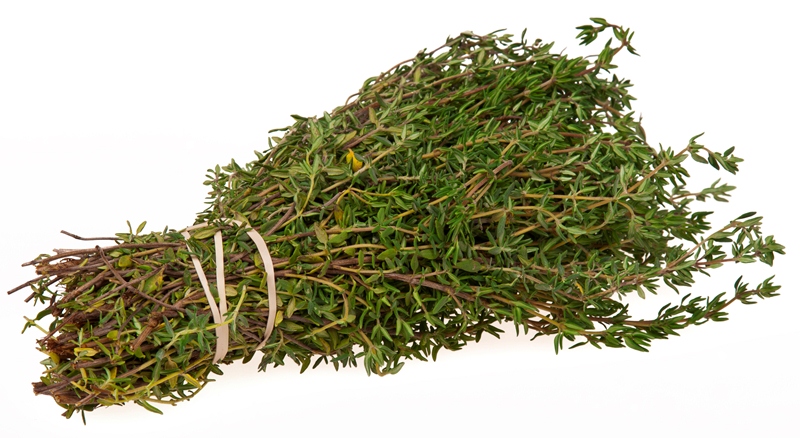
Thyme (*Thymus vulgaris*), a well-known aromatic herb, has a long history in traditional European medicine for addressing digestive and respiratory issues. Notably, historical figures like Hildegard von Bingen and Maria Treben documented its use for soothing stomach aches and menstrual cramps. Modern scientific research is now beginning to validate these traditional applications, identifying the mechanisms behind thyme’s potential benefits for pain relief.

This article provides an evidence-based overview of how thyme may help alleviate cramps, its proper administration, and essential safety protocols. This information is for educational purposes and should not replace professional medical advice.
How Thyme Works for Cramps: The Scientific View
The effectiveness of thyme in reducing cramps is primarily attributed to its high concentration of volatile oils, particularly thymol and carvacrol. These compounds provide significant antispasmodic and anti-inflammatory effects.
- Antispasmodic Action: Research indicates that thymol can help relax smooth muscle tissue, which is the type of muscle found in the uterine wall and gastrointestinal tract. Consequently, by easing involuntary muscle contractions, thyme may reduce the intensity of menstrual and stomach cramps.
- Anti-inflammatory Properties: Menstrual pain (dysmenorrhea) is often linked to an overproduction of prostaglandins, which are inflammatory compounds that cause uterine contractions. Studies suggest that thyme’s active components can inhibit these inflammatory pathways, functioning similarly to non-steroidal anti-inflammatory drugs (NSAIDs) like ibuprofen. For instance, a study published in the *Journal of Research in Medical Sciences* found that thyme extract was as effective as ibuprofen in reducing the severity of menstrual pain.
Administration Protocol and Safety Limits
To use thyme effectively and safely, it is crucial to adhere to established protocols for dosage and duration.
Therapeutic Thyme Tea Preparation
A simple infusion is the most common method for internal use.
- Ingredients: 1-2 teaspoons of dried thyme leaves per 1 cup (approx. 240 ml) of boiling water.
- Preparation: Pour boiling water over the dried thyme. Cover the cup and let it steep for 10-15 minutes to ensure the volatile oils are properly extracted. Finally, strain the leaves before drinking.
| Protocol | Guideline |
|---|---|
| Dose per Administration | 1 cup of freshly prepared tea. |
| Maximum Daily Dose | Up to 3 cups per day for a healthy adult. |
| Treatment Duration | Use for 3-5 days during the menstrual cycle or as needed for occasional stomach cramps. Avoid continuous long-term use. |
| Mandatory Break | Not intended for daily, prolonged consumption. Use only when symptoms are present. |
| Administration Condition | Drink the tea warm, sipping it slowly. It can be taken with or after meals to minimize potential stomach irritation. |
Traditional External Use: Warm Compress
For external relief, a warm thyme compress can be applied to the abdomen. This method uses moist heat to help relax muscles.
- Prepare a strong thyme infusion (double the amount of herb).
- Soak a clean cloth in the warm (not hot) infusion.
- Wring out the excess liquid and place the cloth over the lower abdomen.
- Cover with a dry towel to retain heat. Leave it on for 15-20 minutes.
Safety Note: Always test the temperature of the compress on your wrist before applying it to the abdomen to prevent burns.
Specific Biological Limitation
Blood Clotting Interference: Thyme contains compounds that may have mild antiplatelet effects, meaning they can slow blood clotting. While this is generally not a concern in the amounts consumed as tea, this effect becomes clinically significant for individuals with bleeding disorders or those taking anticoagulant or antiplatelet medications. Therefore, combining therapeutic doses of thyme with these drugs could potentially increase the risk of bruising and bleeding.
Contraindications and Precautions
While generally considered safe when used as a culinary herb, therapeutic doses of thyme require caution.
- Absolute Contraindications: Do not use thyme if you have a known allergy to thyme, oregano, mint, or any other plants in the Lamiaceae family.
- Pregnancy: Thyme is not recommended in medicinal amounts during pregnancy, as it has been traditionally considered a uterine stimulant, which could theoretically pose a risk.
- Breastfeeding: There is insufficient reliable information on the safety of using medicinal amounts of thyme while breastfeeding. It is best to avoid it.
- Children: Consult a pediatrician before giving thyme tea to children for medicinal purposes. Doses must be adjusted according to age and weight.
- Hormone-Sensitive Conditions: Individuals with conditions like breast cancer, uterine cancer, or endometriosis should consult a healthcare provider, as some sources suggest thyme might have weak estrogen-like effects.
Major Drug Interactions
- Anticoagulant/Antiplatelet Drugs (e.g., Warfarin, Aspirin, Clopidogrel): Due to its potential effect on blood clotting, thyme may increase the risk of bleeding when taken with these medications.
Documented Adverse Effects
- Common: In some individuals, thyme tea can cause mild gastrointestinal upset or heartburn, especially if consumed on an empty stomach.
- Rare: Allergic reactions, including skin rash or respiratory issues, can occur in sensitive individuals.
When to stop immediately: Discontinue use and seek medical advice if you experience signs of an allergic reaction, such as hives, difficulty breathing, or swelling of the face or throat.
Therapeutic Alternatives
If thyme is not suitable for you, several other evidence-based options may help with menstrual or stomach cramps. Always consult a healthcare provider before starting any new supplement.
- Ginger (*Zingiber officinale*): Extensive research supports ginger’s ability to reduce menstrual pain, often with efficacy comparable to NSAIDs. It works by lowering levels of pain-causing prostaglandins.
- Fennel (*Foeniculum vulgare*): Clinical trials have shown that fennel extract is an effective antispasmodic that can significantly reduce the intensity and duration of menstrual cramps.
- Magnesium: This essential mineral helps relax smooth muscles, including the uterus. Supplementing with magnesium (e.g., magnesium glycinate or citrate) before and during menstruation may prevent and reduce cramps.
Recent Medical Research (2020-2026)
Recent studies continue to reinforce thyme’s therapeutic potential for pain management.
- A 2022 systematic review highlighted the significant antispasmodic and anti-inflammatory properties of *Thymus vulgaris*, reaffirming its traditional use for conditions involving smooth muscle spasms.
- Research published in the *Caspian Journal of Internal Medicine* (though slightly before this period) remains a key reference, demonstrating that an extract of thyme was as effective as ibuprofen in relieving menstrual pain in students, but with fewer reported side effects.
Current Limitations: While promising, most human studies are small in scale. Therefore, larger, more robust clinical trials are needed to establish standardized dosing and confirm long-term safety for therapeutic use.
Specialist’s Summary
Thyme is a useful botanical for managing mild to moderate menstrual and stomach cramps due to its validated antispasmodic and anti-inflammatory effects. Its benefits typically appear within 30-60 minutes of consumption. However, it is contraindicated for pregnant women and individuals on blood-thinning medications due to potential uterine stimulation and antiplatelet activity. Validated alternatives with strong scientific backing include ginger and fennel.
Frequently Asked Questions
1. How quickly does thyme tea work for cramps?
The relaxing effects of warm thyme tea can often be felt within 30 to 60 minutes. For best results, start drinking it one or two days before you expect your period to begin and continue for the first few days of your cycle.
2. Is thyme essential oil safe to use for menstrual pain?
Thyme essential oil should never be ingested as it is highly concentrated and can be toxic. However, it can be used topically when properly diluted. Mix 2-3 drops of thyme essential oil with a tablespoon of a carrier oil (like coconut or almond oil) and gently massage it onto the lower abdomen.
3. Is thyme as effective as ibuprofen for cramps?
Some clinical studies suggest that thyme can be as effective as ibuprofen for relieving menstrual pain, particularly for mild to moderate cases. However, individual responses vary, and for severe pain, conventional medication may be more appropriate. Thyme offers a natural alternative with a potentially lower risk of gastrointestinal side effects compared to NSAIDs.
4. Is thyme safe for children with stomach cramps?
Thyme is not recommended for medicinal use in infants. For children over two years old, a very weak, diluted thyme tea may be considered for occasional stomach upset, but you must consult a pediatrician or a qualified healthcare provider first to determine a safe dosage and ensure the cause of the cramps is not serious.
Sources and References
- Salmalian, H., et al. (2014). Comparative effect of thyme and ibuprofen on pain in primary dysmenorrhea. *Journal of Research in Medical Sciences*.
- European Medicines Agency (EMA). (2013). Community herbal monograph on Thymus vulgaris L. and Thymus zygis L., herba.
- Rondanelli, M., et al. (2022). The Role of Nutraceuticals in the Alleviation of Menstrual Pain. *Nutrients*.
⚠️ Important Medical Information
This article is for educational and informational purposes only and is not intended as medical advice, diagnosis, or treatment. The information provided about Thyme is based on traditional use, preliminary research, and available scientific evidence, which may be limited.
Before using Thyme:
- Consult a qualified healthcare provider, especially if you are pregnant, breastfeeding, taking medications, or have existing health conditions.
- Do not use as a substitute for prescribed medications or professional medical treatment.
- Individual results may vary – what works for one person may not work for another.
- Monitor for adverse reactions and discontinue use if negative symptoms occur.