Turmeric Face Mask for Acne and Glowing Skin: A Research-Based Guide

by Andreea Smiterson
0 comments
A+A-
Reset

This guide explores the traditional use and emerging scientific evidence for using turmeric in topical skincare. While homemade turmeric masks have gained popularity for their potential benefits, it is essential to understand their proper application, limitations, and safety protocols. This information is for educational purposes and is not a substitute for professional dermatological advice.

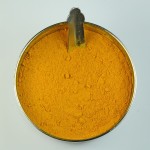
turmeric golden mask

The Science Behind Turmeric for Skin Health

Turmeric (*Curcuma longa*) is a plant from the ginger family, and its primary active compound is curcumin. Indeed, modern research has focused on curcumin for its significant anti-inflammatory and antioxidant properties, which are the basis for its potential skin benefits.

  • Anti-Inflammatory Action: Inflammation is a key factor in skin conditions like acne and rosacea. Research published in journals like the International Journal of Molecular Sciences suggests that curcumin can help modulate inflammatory pathways in the body, which may translate to reduced redness and swelling when applied topically.
  • Antioxidant Properties: Furthermore, oxidative stress from environmental factors like UV radiation and pollution contributes to premature aging, such as fine lines and wrinkles. As a potent antioxidant, curcumin helps neutralize free radicals, potentially protecting skin cells from damage and supporting a more youthful appearance.
  • Antimicrobial Effects: Some preliminary studies indicate that curcumin exhibits antimicrobial activity against bacteria like *Propionibacterium acnes*, which is involved in the formation of acne breakouts.

However, it is important to note that much of the research is based on laboratory studies or oral consumption of curcumin. Consequently, while promising, more large-scale human clinical trials are needed to fully validate the efficacy of topical turmeric masks.

Traditional Roots in Skincare

The use of turmeric in beauty rituals is not a new trend; in fact, it has been a cornerstone of traditional medicine for centuries. In Ayurvedic and traditional Chinese medicine, practitioners have long used turmeric both internally and externally to soothe skin conditions.

Notably, in South Asia, a turmeric paste known as “Haldi” is a central part of pre-wedding rituals. This paste is applied to the bride and groom’s skin to cleanse, purify, and impart a healthy, radiant glow before the ceremony, highlighting its long-standing cultural significance in skincare.

Evidence-Based Turmeric Face Mask Recipes

When preparing a homemade mask, always use high-quality, organic turmeric powder to avoid contaminants like lead or artificial dyes. The base ingredients, such as yogurt or honey, can be adjusted for different skin needs. Crucially, always perform a patch test on a small area of your inner arm 24 hours before applying any new mask to your face.

1. For Normal or Combination Skin (Brightening)

This mask aims to gently exfoliate and brighten the complexion.

  • Ingredients: ½ teaspoon turmeric powder, 1 tablespoon plain, full-fat yogurt, ½ teaspoon raw honey.
  • Preparation: Mix the ingredients into a smooth paste. Apply a thin layer to a clean face, avoiding the eye area. Leave on for 10-15 minutes and rinse thoroughly with lukewarm water.
  • Safety Note: While the original recipe suggests lemon juice, we advise against it due to its high acidity and potential to cause photosensitivity and irritation. Honey provides gentle antimicrobial benefits without these risks.

2. For Oily or Acne-Prone Skin (Soothing)

This formulation combines turmeric with ingredients known for their soothing and antimicrobial properties.

  • Ingredients: ½ teaspoon turmeric powder, 1 tablespoon raw honey, 1 teaspoon aloe vera gel.
  • Preparation: Combine all ingredients until a consistent paste is formed. Apply to clean skin, focusing on areas of inflammation or congestion. Let it sit for 10 minutes before rinsing completely.

3. For Dry or Mature Skin (Hydrating)

This recipe focuses on providing moisture and nourishment to the skin barrier.

  • Ingredients: ½ teaspoon turmeric powder, 1 tablespoon plain yogurt, ½ teaspoon argan or jojoba oil.
  • Preparation: Mix the ingredients well. Apply the creamy paste to a clean, dry face. After 15 minutes, gently rinse off without harsh scrubbing.

Application Protocol and Safety Limits

To maximize benefits and minimize risks, follow a strict protocol when using turmeric masks.

Parameter Protocol
Mandatory First Step Patch Test: Always apply a small amount to your inner arm 24 hours prior to facial application to check for allergic reactions or irritation.
Frequency of Use Maximum of 1-2 times per week. Overuse can lead to skin irritation and dryness.
Maximum Application Time 10-15 minutes. Leaving the mask on for longer increases the risk of temporary skin staining and irritation.
Best Time for Application In the evening. Turmeric can increase photosensitivity, so it is best to avoid sun exposure immediately after use.
Stain Removal If mild yellow staining occurs on the skin, gently wipe the area with a cotton pad soaked in milk or a gentle oil (like jojoba or coconut oil) before cleansing.

Specific Biological Limitation

The primary limitation of topical turmeric is its potential to cause skin reactions. Curcumin and other compounds in turmeric can trigger allergic contact dermatitis in susceptible individuals. This reaction manifests as redness, itching, and rash. Furthermore, turmeric can make the skin more sensitive to ultraviolet (UV) light, a phenomenon known as photosensitivity. Therefore, applying the mask in the evening and using broad-spectrum sunscreen during the day is a critical safety measure.

Contraindications and Precautions

While generally considered safe for topical use, certain precautions are necessary.

  • Absolute Contraindications: Do not use turmeric topically if you have a known allergy to turmeric, ginger, or any other member of the Zingiberaceae family.
  • Skin Conditions: Avoid applying the mask to open wounds, broken skin, or active eczema or psoriasis flare-ups, as this can cause significant irritation.
  • Adverse Effects: The most common side effect is temporary yellow staining of the skin, especially on lighter complexions. Other potential effects include redness, itching, or a burning sensation. If any of these occur, rinse the mask off immediately.

Therapeutic Alternatives for Skin Health

If a turmeric mask is not suitable for your skin, other botanicals offer similar evidence-based benefits.

  1. Green Tea Extract: Rich in epigallocatechin gallate (EGCG), green tea has well-documented anti-inflammatory and antioxidant properties, making it an excellent alternative for managing acne and redness.
  2. Calendula (*Calendula officinalis*): Known for its profound soothing and wound-healing capabilities, calendula is ideal for sensitive or irritated skin. It helps calm inflammation and support skin repair.
  3. Licorice Root (*Glycyrrhiza glabra*): Containing the compound glabridin, licorice root extract may help reduce hyperpigmentation and brighten the skin by inhibiting the enzyme responsible for melanin production.

Recent Medical Research (2020-2026)

Modern science continues to investigate the dermatological applications of curcumin.

  • A 2022 review published in the journal Molecules analyzed numerous studies on curcumin’s role in skin health. The authors concluded that its anti-inflammatory, antioxidant, and antimicrobial properties make it a promising agent for various dermatological conditions, including acne and photoaging, though they emphasized the need for better topical formulations to improve skin penetration.
  • Research in the Journal of Cosmetic Dermatology (2021) explored novel delivery systems, such as nanoparticles, to enhance curcumin’s stability and absorption into the skin, overcoming its natural limitations of poor solubility and bioavailability.

Current Limitations: Despite promising results, the primary challenge remains curcumin’s low bioavailability and stability in topical preparations. Therefore, the effects of a simple homemade mask may be modest compared to professionally formulated products designed for enhanced delivery.

Specialist’s Summary

Topical turmeric is a traditionally validated remedy that may help reduce skin inflammation and provide antioxidant benefits, particularly for acne-prone or dull skin. Its effects are primarily due to the compound curcumin. However, it is contraindicated for individuals with known allergies and must be used cautiously due to the risks of skin staining, irritation, and photosensitivity. For validated alternatives, consider preparations containing green tea extract for inflammation or calendula for soothing sensitive skin.

Frequently Asked Questions

1. Will a turmeric face mask permanently stain my skin?
No, it should not permanently stain your skin. However, it can leave a temporary yellow tint, especially on fair skin. This typically fades within a few hours and can be removed more quickly by cleansing with a gentle oil or milk.

2. How often should I use a turmeric face mask?
For most skin types, using a turmeric mask 1-2 times per week is sufficient. Overuse can disrupt the skin’s natural barrier and lead to irritation or dryness.

3. Can I use a turmeric mask for rosacea?
While turmeric’s anti-inflammatory properties may theoretically help with the redness associated with rosacea, this condition makes skin extremely sensitive. Applying any homemade preparation without consulting a dermatologist is risky and could worsen the flare-up. Always seek professional medical advice for managing rosacea.

Sources and References

  1. Vaughn, A. R., Branum, A., & Sivamani, R. K. (2016). Effects of Turmeric (Curcuma longa) on Skin Health: A Systematic Review of the Clinical Evidence. Phytotherapy Research.
  2. Zhong, S., et al. (2022). Curcumin and its Derivatives in Skin Diseases. Molecules.
  3. Roul, A., et al. (2021). Curcumin-loaded nanostructured lipid carrier for topical delivery in acne—An in-vitro and in-vivo study. Journal of Cosmetic Dermatology.

⚠️ Important Medical Information

This article is for educational and informational purposes only and is not intended as medical advice, diagnosis, or treatment. The information provided about Turmeric (*Curcuma longa*) is based on traditional use, preliminary research, and available scientific evidence, which may be limited.

Before using a turmeric mask:

  • Consult a qualified healthcare provider or dermatologist, especially if you are pregnant, breastfeeding, taking medications, or have existing health conditions like rosacea or eczema.
  • Do not use as a substitute for prescribed medications or professional medical treatment for skin conditions.
  • Individual results may vary – what works for one person may not work for another and could cause irritation.
  • Monitor for adverse reactions and discontinue use immediately if negative symptoms like rash, persistent redness, or itching occur.

Regulatory status: Turmeric, when used in this context, is a cosmetic home remedy and has not been evaluated by the FDA for treating, curing, or preventing any disease.


You may also like

Leave a Comment