Therapeutic Ginger Syrup: A Natural Support for Inflammation and Pain Management

by Elena Martin
7 comments
A+A-
Reset

Ginger (Zingiber officinale) is a rhizome with a rich history in traditional medicine, particularly in Asian cultures where practitioners have used it for over 2,000 years. Its therapeutic applications traditionally address digestive complaints, nausea, and inflammatory conditions. Modern science has identified several active compounds, primarily gingerols and shogaols, which are responsible for its potent anti-inflammatory, analgesic (pain-relieving), and antiemetic (anti-nausea) properties. Consequently, ginger remains a subject of significant clinical interest for managing a variety of health concerns.

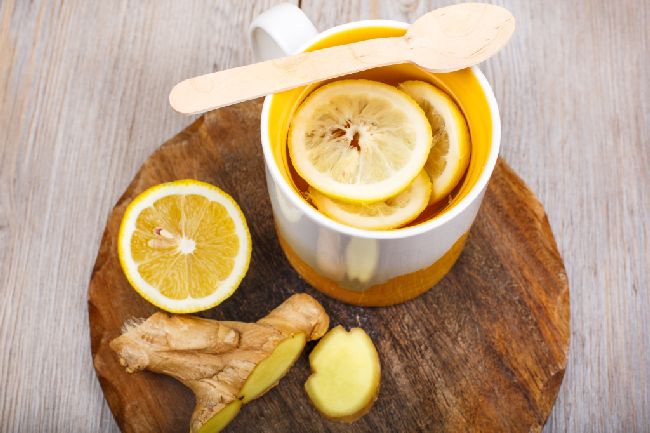
Tea With Lemon And Ginger As Natural Medicine

Validated Therapeutic Benefits of Ginger

Clinical evidence and long-standing traditional use support ginger’s role in several health areas. Importantly, it should be viewed as a complementary therapy, not a replacement for conventional medical treatment.

Pain and Inflammation Management

Numerous studies have demonstrated that ginger possesses significant anti-inflammatory and analgesic properties. For instance, researchers have found that ginger can inhibit the production of inflammatory compounds like prostaglandins and leukotrienes. As a result, it may help alleviate muscle soreness, joint pain associated with osteoarthritis, and primary dysmenorrhea (menstrual pain). Furthermore, some individuals report relief from migraine headaches when using ginger, likely due to its ability to block pro-inflammatory substances.

Nausea and Digestive Support

Ginger is perhaps most famous for its powerful antiemetic effects. Indeed, it is one of the most well-researched natural remedies for nausea and vomiting associated with motion sickness, pregnancy (morning sickness), and post-operative recovery. It appears to work by affecting serotonin receptors in the gut and exerting a prokinetic effect, which helps move food through the digestive system. This action also makes it beneficial for managing symptoms of indigestion and functional dyspepsia.

Support During Colds and Flu

While not a cure, ginger can help manage symptoms of the common cold and flu. Its diaphoretic properties can induce sweating, which may help reduce fever. Additionally, its compounds act as a natural decongestant and can soothe a sore throat when consumed as a warm infusion. A simple preparation of ginger tea with honey and lemon is a validated supportive remedy during respiratory infections.

Administration Protocol and Safety Limits

Responsible use of ginger requires adherence to clear dosage and duration guidelines to maximize benefits and minimize risks.

Treatment Duration

    • For acute conditions (e.g., nausea, menstrual cramps): Use as needed for 1-3 days.
    • For chronic inflammatory conditions (e.g., osteoarthritis): A standard cycle is 30 consecutive days, followed by a mandatory break of 14 days to prevent potential side effects and assess efficacy. Do not exceed 3-4 treatment cycles per year without consulting a healthcare professional.

Quantity and Maximum Dose

    • Maximum daily dose for a healthy adult: Do not exceed 4 grams of fresh ginger root per day. This corresponds to approximately 3-4 cups (750-1000 ml) of a standard ginger decoction.
    • Dose per administration: 1 cup (200-250 ml) of the prepared ginger syrup/tea.
    • Frequency: 2-3 times per day.
    • Overdose risk: Exceeding 5 grams per day significantly increases the risk of adverse effects such as heartburn, gastric irritation, diarrhea, and potential interactions with medications.

Administration Condition

    • Timing: For digestive benefits or nausea, consume 20-30 minutes before meals. For inflammatory conditions, it can be taken with or after meals to reduce the chance of stomach upset.
    • Hydration: Maintain adequate hydration (minimum 1.5-2 liters of water per day), as ginger can have a mild diuretic effect.
    • Incompatibilities: Avoid consuming large quantities on a completely empty stomach if you have a sensitive digestive system or a history of gastritis.

Specific Biological Limitation

Antiplatelet (Blood-Thinning) Activity: Ginger contains compounds that inhibit thromboxane synthase, an enzyme crucial for platelet aggregation. This mechanism reduces the ability of platelets to clump together, which is the first step in blood clot formation. While this can be beneficial for cardiovascular health, it poses a significant risk for individuals with bleeding disorders or those taking anticoagulant or antiplatelet medications. This effect means ginger can potentiate the action of these drugs, increasing the risk of bruising and serious bleeding events.

Contraindications and Precautions

Absolute Contraindications

    • Bleeding Disorders: Individuals with conditions like hemophilia or von Willebrand disease should avoid medicinal doses of ginger.
    • Pre-Surgery: Discontinue all ginger supplements and high-dose consumption at least two weeks before any scheduled surgery to prevent excessive bleeding.
    • Gallstones: Ginger stimulates bile production, which can be problematic and painful for individuals with gallstones. Consult a doctor before use.

Vulnerable Populations

    • Pregnancy: While small amounts for morning sickness are generally considered safe under medical supervision, high doses are contraindicated due to a theoretical risk of uterine stimulation. Always consult an obstetrician.
    • Breastfeeding: Safety has not been established. It is best to avoid medicinal quantities.
    • Children: Not recommended for children under 2 years of age. For older children, doses must be significantly reduced and administered only under professional guidance.

Major Drug Interactions

    • Anticoagulants (e.g., Warfarin) and Antiplatelet drugs (e.g., Aspirin, Clopidogrel): Ginger increases the risk of bleeding. This combination requires strict medical monitoring.
    • Antidiabetic Medications: Ginger may lower blood sugar levels, potentially enhancing the effect of these drugs and increasing the risk of hypoglycemia.
    • Antihypertensive Medications (e.g., Calcium channel blockers): High doses of ginger may lower blood pressure, potentially leading to hypotension when combined with these drugs.

Documented Adverse Effects

    • Common: Heartburn, abdominal discomfort, diarrhea, and mouth irritation, especially at higher doses.
    • Severe (rare): Allergic reactions (rash, hives) and cardiac arrhythmias with extreme overdose.

Therapeutic Ginger Syrup Recipe

This recipe creates a concentrated ginger syrup that can be diluted for a potent therapeutic beverage. This is not a commercial “ginger ale” but a functional phytotherapeutic preparation.

Ingredients

    • 1 cup (approx. 100g) fresh ginger root, peeled and finely chopped or grated
    • 2 cups (500 ml) purified water
    • Raw honey or maple syrup to taste (optional, add after cooling)
    • 1 fresh lime or lemon, juiced
    • Sparkling water (for serving)
    • Lime or lemon wedges for garnish

Directions

    • Combine the chopped ginger and 2 cups of purified water in a small saucepan.
    • Bring the mixture to a boil, then reduce the heat to a gentle simmer.
    • Allow the ginger to simmer for at least 10-15 minutes to create a strong decoction. For a more potent syrup, simmer for up to 30 minutes.
    • Remove the saucepan from the heat and let it cool slightly.
    • Strain the liquid through a fine-mesh sieve into a clean glass jar, pressing the ginger pulp to extract all the liquid. Discard the pulp.
    • Once the syrup has cooled to a lukewarm temperature, you may stir in raw honey and fresh lime/lemon juice to taste. Do not add raw honey to boiling water, as this can degrade its beneficial enzymes.
    • To serve: Combine 1 part ginger syrup with 3-4 parts sparkling or still water. Serve over ice with a fresh lime wedge.
    • Storage: Store the concentrated syrup in an airtight container in the refrigerator for up to one week.

How to Choose Quality Ginger

The efficacy of your preparation depends directly on the quality of the raw material.

Quality Criterion Optimal Characteristics Signs of Poor Quality
Visual Appearance Firm, smooth skin with a light tan color. No signs of mold or dark spots. Wrinkled, shriveled skin; soft or mushy spots; visible mold (especially at the ends).
Texture and Weight Heavy for its size, indicating high moisture content. Should snap cleanly when broken. Lightweight and fibrous, indicating it has dried out. Bends instead of snapping.
Aroma Spicy, pungent, and fresh when scratched or cut. Dull, musty, or no significant aroma.

Pro-Tip: Choose organic ginger when possible to avoid pesticide residues. Store whole, unpeeled ginger in the refrigerator in a paper bag or airtight container.

Recent Medical Research (2020-2026)

Recent studies continue to validate and expand upon the therapeutic uses of ginger.

    • A 2020 meta-analysis published in Phytotherapy Research confirmed that ginger supplementation significantly reduces markers of inflammation such as C-reactive protein (CRP).
    • Research published in Nutrients in 2021 highlighted ginger’s potential to improve metabolic profiles in patients with type 2 diabetes, although it emphasized this is a complementary, not a standalone, treatment.
    • A 2020 review on pain management found consistent evidence for ginger’s effectiveness in reducing pain from osteoarthritis and dysmenorrhea, with a favorable safety profile compared to nonsteroidal anti-inflammatory drugs (NSAIDs).

Current Limitations: While promising, most human studies use standardized extracts. More research is needed to establish precise, universally effective dosages for home preparations like teas and syrups.

Therapeutic Alternatives

If ginger is not suitable for you due to contraindications or side effects, consider these validated alternatives:

    • Turmeric (Curcuma longa): Contains curcumin, a powerful anti-inflammatory compound. It is particularly effective for joint pain but also has blood-thinning properties. Often combined with black pepper (piperine) to enhance absorption.
    • Boswellia (Boswellia serrata): Also known as Indian frankincense, it is a potent anti-inflammatory that works by inhibiting pro-inflammatory enzymes. It is well-tolerated and has strong evidence for use in osteoarthritis.
    • Peppermint (Mentha piperita): An excellent alternative for digestive issues, particularly for relieving symptoms of indigestion and irritable bowel syndrome (IBS).

Quick Guide: Ginger Safety

Category Details
❌ Who should AVOID • Individuals with bleeding disorders
• Patients scheduled for surgery (stop 2 weeks prior)
• People with gallstones
• High doses are contraindicated in pregnancy
📊 Maximum safe dose • Adults: 4 grams of fresh ginger per day
• Treatment duration (chronic): 30 days
• Mandatory break: 14 days
🚨 ALARM signs • Severe heartburn or abdominal pain
• Unusual bruising or bleeding
• Skin rash or allergic reaction
💊 Major interactions • Anticoagulants (Warfarin)
• Antiplatelet drugs (Aspirin, Clopidogrel)
⏱️ When to consult doctor IMMEDIATELY if alarm signs appear OR
If you are taking any prescription medications.

💡 Golden rule: Always inform your healthcare provider about any herbal remedies you are using, especially if you have chronic conditions or take prescription drugs.

Specialist’s Summary

Ginger (Zingiber officinale) is a well-validated phytotherapeutic agent useful for managing mild-to-moderate inflammation, pain, and nausea. Its effects are noticeable relatively quickly for acute issues like nausea but may take several weeks for chronic inflammation. However, it is strictly contraindicated for individuals with bleeding disorders or before surgery due to its antiplatelet activity, and it interacts significantly with anticoagulant medications. Validated alternatives include turmeric for inflammation and peppermint for digestive comfort.

Frequently Asked Questions

Can ginger help with arthritis pain?
Yes, multiple studies show that ginger can help reduce pain and stiffness in people with osteoarthritis. It works by reducing inflammation. However, it should be used as a complementary therapy alongside conventional treatments, not as a replacement.

How long does it take for ginger to reduce inflammation?
For acute inflammation or muscle soreness, you may notice effects within a few hours to a day. For chronic inflammatory conditions like arthritis, consistent daily use for several weeks is typically necessary to observe a significant reduction in symptoms.

Is it safe to drink ginger tea every day?
For most healthy adults, drinking 1-3 cups of ginger tea daily is safe. However, it is wise to follow a protocol of 30 days of use followed by a 14-day break to prevent potential side effects and to ensure your body does not become desensitized to its effects.

What are the best alternatives to ginger for nausea?
For nausea, peppermint (Mentha piperita) tea is a well-regarded alternative that helps relax stomach muscles. For more severe cases, especially related to motion sickness, standardized extracts of peppermint or pharmacological options recommended by a doctor may be more appropriate.

Sources and References

Recent Studies (2020-2026):

Official Monographs:

    • World Health Organization (WHO). (1999). WHO Monographs on Selected Medicinal Plants – Volume 1: Rhizoma Zingiberis. Link to WHO Monograph


You may also like

7 comments

Figen Guner
Figen Guner February 26, 2015 - 12:20

I hate Ginger

Reply
DilOshum Guner
DilOshum Guner February 26, 2015 - 12:23

Im sure you also hate migraines

Reply
Suzanne Waszak Spanbroek
Suzanne Waszak Spanbroek February 7, 2016 - 04:59

Might have to try this!

Reply

Leave a Comment