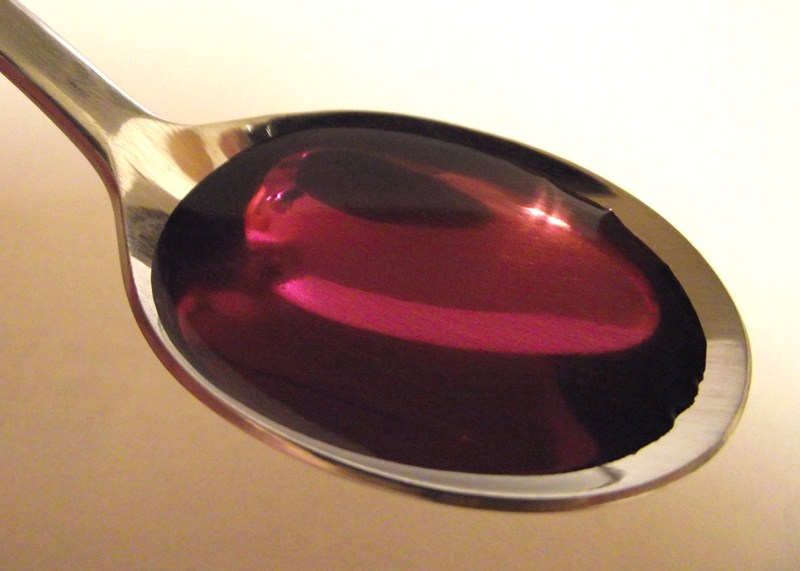
Coughing is a natural reflex designed to protect the airways from irritants and clear mucus. While often a symptom of a common cold or flu, a persistent cough can be disruptive. For those seeking gentle, supportive care alongside conventional medical advice, a homemade syrup using well-established botanicals can provide soothing relief.
This article provides an evidence-based recipe for a natural cough syrup, focusing on ingredients with recognized therapeutic actions. Importantly, it outlines crucial safety protocols, contraindications, and administration limits to ensure responsible use.

Understanding the Key Ingredients: A Scientific Perspective
This recipe combines ingredients traditionally used for respiratory complaints, each with a distinct mechanism of action supported by both historical use and modern research.
- Honey: More than just a sweetener, honey acts as a demulcent, forming a protective film over the throat’s mucous membranes to soothe irritation. Furthermore, research published in archives like the Cochrane Database of Systematic Reviews suggests honey may be effective in relieving cough symptoms in children over one year of age, sometimes performing as well as over-the-counter remedies like dextromethorphan. Its natural antimicrobial properties also offer additional benefits.
- Marshmallow Root (Althaea officinalis): This herb is a classic demulcent. The European Medicines Agency (EMA) monograph on Althaea officinalis confirms its traditional use for relieving oral and pharyngeal irritation and associated dry cough. Its high concentration of mucilage—a gel-like substance—is responsible for its soothing, coating effect on irritated tissues.
- Ginger (Zingiber officinale): Widely recognized for its potent anti-inflammatory properties, attributed to compounds like gingerols. For coughs, ginger can help reduce inflammation in the airways. Additionally, it has traditionally been used as an expectorant, helping to loosen and expel phlegm in productive coughs.
- Chamomile (Matricaria recutita): Known for its calming effects, chamomile possesses mild anti-inflammatory and antispasmodic properties. This can help relax the muscles of the throat, potentially reducing the severity of the cough reflex and easing the tingling sensation of a sore throat.
- Cinnamon (Cinnamomum verum): While primarily included for flavour, Ceylon cinnamon has demonstrated antimicrobial activity in laboratory studies. It also supports the immune system and adds a warming quality to the syrup.
Evidence-Based Recipe for Soothing Cough Syrup
This recipe is designed to create a balanced syrup that soothes a dry, irritated throat while also supporting the body’s efforts to clear congestion.
Ingredients:
- 1 cup (240 ml) of filtered water
- ¼ cup (approx. 25g) of dried, cut marshmallow root
- ¼ cup (approx. 25g) of freshly grated ginger root
- 2 tablespoons of dried chamomile flowers
- 1 tablespoon of Ceylon cinnamon powder or 2 cinnamon sticks
- 1 cup (approx. 340g) of raw, high-quality honey
- ¼ cup (60 ml) of fresh lemon juice
Preparation Instructions:
- In a small saucepan, combine the water, marshmallow root, grated ginger, and cinnamon.
- Bring the mixture to a gentle simmer over medium heat. Do not boil vigorously.
- Once simmering, reduce the heat to low, cover, and let it steep for 20-30 minutes. The liquid should reduce by about half.
- Remove the saucepan from the heat and add the dried chamomile flowers. Cover and let them steep for an additional 10 minutes.
- Strain the liquid through a fine-mesh sieve or cheesecloth into a clean glass bowl, pressing the herbs to extract all the liquid. Discard the herbs.
- While the herbal infusion is still warm (but not hot), stir in the honey and fresh lemon juice until the honey is completely dissolved.
- Pour the finished syrup into a sterilized, airtight glass jar or bottle.
Storage: Due to the water content and lack of preservatives, this homemade syrup is perishable. Store it in the refrigerator and use within 2-3 weeks. Discard immediately if you notice any signs of mould or fermentation.
Administration Protocol and Safety Limits
For this preparation to be both effective and safe, it is essential to adhere to clear guidelines.
- Treatment Duration: Use this syrup for a maximum of 7 consecutive days. If cough symptoms do not improve or worsen during this period, it is crucial to consult a healthcare provider.
- Mandatory Break: If another course is needed, allow for a break of at least 7 days between treatments.
- Maximum Daily Dose:
- Adults and Children over 12 years: 1 tablespoon (15 ml) up to 4 times per day.
- Children 6-12 years: 1 teaspoon (5 ml) up to 3 times per day.
- Children 1-5 years: ½ teaspoon (2.5 ml) up to 3 times per day. Consult a paediatrician before administering.
- Administration Condition: The syrup can be taken as needed to soothe irritation. Taking it after a small snack can help prevent potential stomach upset from the ginger.
Specific Biological Limitation
Ginger and Blood Coagulation: Ginger contains active compounds that may inhibit platelet aggregation, which is the process of blood cells clumping together to form a clot. While this effect is generally mild at culinary doses, concentrated preparations like this syrup could theoretically increase the risk of bleeding. Therefore, this becomes a significant concern for individuals with pre-existing bleeding disorders or those scheduled for surgery.
Contraindications and Precautions
It is vital to understand who should not use this syrup and what potential interactions exist.
Absolute Contraindications (DO NOT USE):
- Children under 1 year of age: Honey can contain spores of Clostridium botulinum, which can cause infant botulism, a rare but serious illness.
- Known Allergies: Do not use if you have a known allergy to any of the ingredients, particularly chamomile or other plants in the Asteraceae family (e.g., ragweed, marigolds).
Major Drug Interactions:
- Anticoagulants and Antiplatelet Drugs (e.g., Warfarin, Aspirin, Clopidogrel): Ginger may enhance the effect of these medications, increasing the risk of bruising and bleeding. Consult your doctor before use.
- Diabetes Medications: Honey and cinnamon can affect blood sugar levels. Monitor glucose closely and consult a healthcare provider, as medication adjustments may be necessary.
Documented Adverse Effects:
- Common: Ginger may cause mild heartburn or stomach discomfort in sensitive individuals.
- When to Stop Immediately: Discontinue use and seek medical advice if you experience an allergic reaction (rash, hives, difficulty breathing), severe gastrointestinal upset, or if your cough worsens.
Therapeutic Alternatives
If this syrup is not suitable for you, other evidence-based botanical options are available, depending on the type of cough.
| For a Dry, Irritating Cough (Demulcents) |
1. Licorice Root (Glycyrrhiza glabra): A powerful demulcent and anti-inflammatory. However, it has significant contraindications, including hypertension and potassium deficiency, and should only be used under professional guidance. 2. Slippery Elm Bark (Ulmus rubra): Rich in mucilage, it provides excellent soothing and coating action for an irritated throat. It is generally considered very safe. |
| For a Productive, Chesty Cough (Expectorants) |
1. Thyme (Thymus vulgaris): Approved by the EMA for productive coughs, thyme helps to loosen mucus and has an antispasmodic effect, making coughs more effective. It is available as teas, syrups, and extracts. 2. Ivy Leaf (Hedera helix): Clinical research has validated the use of specific ivy leaf extracts as an expectorant. It helps liquefy mucus and relax airway muscles, facilitating easier breathing. |
Recent Medical Research (2020-2026)
Recent studies continue to reinforce the traditional uses of these ingredients with modern scientific validation.
- A 2021 meta-analysis published in BMJ Evidence-Based Medicine concluded that honey is likely effective for improving symptoms of upper respiratory tract infections, positioning it as a reasonable alternative to antibiotics, which are ineffective for viral infections.
- Research continues to explore the anti-inflammatory mechanisms of gingerols. A 2022 study in the journal Molecules highlighted ginger’s potential to modulate inflammatory pathways, supporting its use in conditions involving inflammation, such as bronchitis.
- Current Limitations: While individual ingredients are well-studied, high-quality clinical trials on this specific combination recipe are lacking. Most evidence is based on the known properties of each component. More research is needed to determine synergistic effects and optimal dosages for combined formulas.
Specialist’s Summary
This homemade syrup, featuring honey, marshmallow root, and ginger, is a useful supportive remedy for soothing the irritation of a common cough, particularly a dry or mixed cough. Its effects are based on the demulcent and anti-inflammatory properties of its ingredients. However, it is contraindicated for children under one, individuals on blood thinners, and those with specific allergies. For persistent or productive coughs, validated alternatives like Thyme or Ivy Leaf may be more appropriate. Always consult a healthcare professional if a cough lasts more than a week.
Frequently Asked Questions
1. How long does this homemade cough syrup last in the fridge?
Due to its natural ingredients and lack of preservatives, this syrup must be refrigerated and should be used within 2 to 3 weeks. Discard it if you notice any change in smell, colour, or signs of mould.
2. Can I use this syrup for a wet, productive cough?
This syrup offers mixed actions. The marshmallow root is best for dry, irritating coughs, while the ginger can act as an expectorant to help with a productive cough. It can provide soothing relief for the throat irritation that often accompanies any type of cough. For a purely productive cough, an expectorant like thyme or ivy leaf may be more targeted.
3. Is this syrup safe for children?
This syrup is strictly forbidden for children under 1 year old due to the risk of infant botulism from honey. For children aged 1-5, it is best to consult a paediatrician before use and administer a very small dose (½ teaspoon). For children over 6, the reduced dosage outlined in the protocol can be followed.
4. What are the main risks of using this homemade syrup?
The primary risks are allergic reactions (especially to chamomile), the potential for botulism in infants under one, and interactions with medications, particularly blood thinners like warfarin due to the ginger content. Individuals with diabetes should also be cautious due to the high sugar content of honey.
Sources and References
- Abuelgasim, H., Albury, C., & Lee, J. (2021). Effectiveness of honey for symptomatic relief in upper respiratory tract infections: a systematic review and meta-analysis. BMJ Evidence-Based Medicine, 26(2), 57-64. Link to study
- European Medicines Agency (EMA). (2018). European Union herbal monograph on Althaea officinalis L., radix. EMA Monograph
- World Health Organization (WHO). (1999). WHO Monographs on Selected Medicinal Plants – Volume 1: Radix Zingiberis. WHO Monograph
- Mao, Q. Q., Xu, X. Y., Cao, S. Y., Gan, R. Y., Corke, H., & Li, H. B. (2022). Bioactive Compounds and Bioactivities of Ginger (Zingiber officinale Roscoe). Foods, 11(10), 1465.
⚠️ Important Medical Information
This article is for educational and informational purposes only and is not intended as medical advice, diagnosis, or treatment. The information provided about this homemade cough syrup is based on traditional use, preliminary research, and available scientific evidence, which may be limited.
Before using this remedy:
- Consult a qualified healthcare provider, especially if you are pregnant, breastfeeding, taking medications, or have existing health conditions like diabetes or bleeding disorders. A persistent cough can be a sign of a serious underlying condition that requires medical diagnosis.
- Do not use as a substitute for prescribed medications or professional medical treatment.
- Individual results may vary – what works for one person may not work for another.
- Monitor for adverse reactions and discontinue use if negative symptoms occur.