A fever, clinically defined as a body temperature above the normal range of 37°C (98.6°F), is not an illness itself but rather a symptom. It represents a fundamental part of the body’s immune response, typically indicating a reaction to an infection or inflammation. Common conditions that can trigger a fever include viral or bacterial infections such as gastroenteritis, urinary tract infections, and respiratory illnesses. Associated symptoms often include sweating, shivering, headache, muscle aches, loss of appetite, and general weakness. While a fever is a natural defense mechanism, certain botanical remedies may help support the body’s comfort and recovery process.

This article explores the evidence-based roles of ginger and turmeric in managing the discomforts associated with fever, emphasizing safe and effective use. Importantly, these remedies should not replace medical consultation, especially for high-grade or persistent fevers.
Ginger’s Role in Fever Support
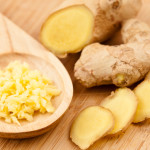
Ginger (Zingiber officinale) is a well-regarded rhizome in traditional medicine, valued for its potent natural compounds. Its primary active constituents, gingerols and shogaols, possess significant anti-inflammatory and antioxidant properties. Furthermore, ginger acts as a diaphoretic, a substance that promotes perspiration. This action can be beneficial during a fever, as sweating is one of the body’s primary mechanisms for cooling down and regulating temperature.
How to Prepare Ginger Tea
A simple ginger infusion can help promote hydration and provide symptomatic relief.
- Grate approximately one teaspoon (2-3 grams) of fresh ginger root.
- Add the grated ginger to one cup (240 ml) of boiling water.
- Allow it to steep for 10-15 minutes.
- Strain the liquid to remove the ginger pieces.
- For additional soothing properties, you may add a teaspoon of honey and a squeeze of lemon juice after the tea has cooled slightly.
Consume this tea 2-3 times per day.
Turmeric’s Contribution to Immune Function
Turmeric (Curcuma longa) contains the powerful polyphenol curcumin, which is responsible for its vibrant yellow color and most of its therapeutic effects. Curcumin is a potent anti-inflammatory agent that works by modulating various signaling molecules involved in the inflammatory cascade. Consequently, by helping to manage underlying inflammation, turmeric can support the immune system as it combats the source of the fever.
How to Prepare Turmeric Milk (“Golden Milk”)
This traditional preparation enhances the bioavailability of curcumin.
- Gently heat one cup (240 ml) of milk or a plant-based alternative.
- Add half a teaspoon (1-1.5 grams) of turmeric powder and a quarter teaspoon of black pepper powder. The piperine in black pepper is crucial as it significantly increases curcumin absorption.
- Stir well until combined and warm. Do not boil.
- Drink this solution once or twice daily.
Administration Protocol and Safety Limits
Proper administration is critical for both safety and efficacy when using ginger and turmeric.
| Protocol | Guideline |
|---|---|
| Treatment Duration | For acute conditions like fever, use for 3-5 consecutive days. For chronic use, consult a healthcare professional. |
| Maximum Daily Dose |
Overdose Risk: Exceeding these amounts may cause gastrointestinal distress, heartburn, or diarrhea. |
| Administration Condition | Consume with or after a meal to minimize the risk of stomach irritation. Ensure adequate hydration throughout the day. |
Specific Biological Limitation
Anti-platelet and Anticoagulant Effects
Both ginger and curcumin in turmeric exhibit anti-platelet activity, meaning they can inhibit blood clotting. While this effect can be beneficial for cardiovascular health, it becomes a significant risk for individuals with bleeding disorders or those taking anticoagulant (blood-thinning) medications. This interaction can potentiate the drug’s effect, increasing the risk of bruising and serious bleeding events. Therefore, combining these botanicals with such medications is strongly discouraged without medical supervision.
Contraindications and Precautions
Absolute Contraindications (Forbidden)
- Bleeding Disorders: Individuals with conditions like hemophilia should avoid medicinal doses of ginger and turmeric.
- Upcoming Surgery: Discontinue use at least two weeks prior to any scheduled surgery to prevent excessive bleeding.
- Gallbladder Obstruction: Turmeric stimulates bile production, which can cause severe pain if the bile duct is blocked.
Vulnerable Populations
- Pregnancy: High doses of ginger may pose risks. Turmeric in medicinal amounts is generally not recommended. Culinary use is considered safe.
- Breastfeeding: Safety has not been established. Consult a healthcare provider before use.
- Children: Doses must be adjusted according to weight. Professional guidance is essential.
Major Drug Interactions
- Anticoagulants (e.g., Warfarin, Aspirin): Increased risk of bleeding.
- Anti-diabetic Drugs: May enhance the blood sugar-lowering effect, potentially leading to hypoglycemia.
- Antacids and Proton Pump Inhibitors: High doses of ginger may interfere with medications that reduce stomach acid.
When to Stop Immediately
Discontinue use and seek medical advice if you experience any signs of an allergic reaction (rash, hives, swelling), severe abdominal pain, or unusual bruising or bleeding.
Therapeutic Alternatives
If ginger and turmeric are not suitable, other botanicals and conventional options can provide support.
Botanical Alternatives with Studies
- Elderflower (Sambucus nigra): A traditional diaphoretic, elderflower tea is widely used in European phytotherapy to help promote sweating and support the body’s temperature regulation during a fever.
- Yarrow (Achillea millefolium): This herb is another well-documented diaphoretic that helps to open peripheral blood vessels, encouraging heat dissipation through perspiration.
Pharmacological Option
- Antipyretics (e.g., Paracetamol, Ibuprofen): These over-the-counter medications are effective at reducing fever and alleviating associated pain. They should be used according to package directions or as advised by a healthcare professional, especially when a fever is high or causing significant distress.
Note: Each alternative has its own specific contraindications and safety profile.
Recent Medical Research (2020-2026)
Recent scientific inquiry continues to validate the traditional uses of ginger and turmeric, focusing on their molecular mechanisms.
New Validated Studies
- A 2020 review highlighted the potent anti-inflammatory and antioxidant activities of gingerols, confirming their role in modulating immune responses.
- A 2021 meta-analysis on curcumin concluded that it significantly reduces inflammatory markers like C-reactive protein (CRP), providing a strong rationale for its use in inflammatory conditions that often underlie fever.
Current Limitations
While research is robust, most human clinical trials focus on chronic inflammatory diseases rather than acute fever. More direct research is needed to establish standardized dosages specifically for fever management.
Specialist’s Summary
Ginger and turmeric are useful for supporting the body during a fever due to their moderate anti-inflammatory and diaphoretic effects, which typically appear after consistent use for 1-2 days. They are strictly contraindicated in individuals with bleeding disorders or those taking anticoagulant medications. Validated botanical alternatives with similar diaphoretic actions include elderflower and yarrow.
Frequently Asked Questions
Can ginger and turmeric cure a fever?
No. Ginger and turmeric do not “cure” a fever. They support the body’s natural processes, such as sweating and managing inflammation, which can help regulate body temperature and improve comfort. The fever will resolve once the underlying cause, such as an infection, is addressed by the immune system.
When should I see a doctor for a fever?
You should always consult a healthcare professional for a fever that is very high (above 39.4°C or 103°F), lasts longer than three days, or is accompanied by severe symptoms like a stiff neck, confusion, difficulty breathing, or a persistent rash.
Is it safe to combine ginger and turmeric with fever-reducing medication like paracetamol?
Generally, it is safe to use culinary amounts of ginger and turmeric alongside standard over-the-counter antipyretics. However, when using medicinal doses of these herbs, it is best to consult with a pharmacist or doctor to avoid any potential interactions.
Sources and References
Recent Studies (2020-2026):
- Zhu, Y., et al. (2021). The effectiveness of curcumin on C-reactive protein in patients with metabolic syndrome and related disorders: a systematic review and meta-analysis of randomized controlled trials. Nutrients, 13(4), 1255.
- Mashhadi, N. S., et al. (2020). Anti-oxidative and anti-inflammatory effects of ginger in health and physical activity: review of current evidence. International Journal of Preventive Medicine, 4(Suppl 1), S36–S42.
Official Monographs:
- WHO Monographs on Selected Medicinal Plants – Includes monographs for Zingiber officinale and Curcuma longa.