Cayenne pepper (*Capsicum frutescens*) has been a staple in traditional medicine for centuries, valued not just for its culinary fire but also for its remarkable ability to alleviate pain. The primary active compound responsible for this effect is capsaicin, a powerful molecule that interacts directly with our nervous system. Consequently, modern phytotherapy recognizes topical capsaicin as a viable option for managing localized pain, particularly from conditions like osteoarthritis and neuralgia.
This article provides an evidence-informed guide to understanding how cayenne works for joint pain, a safe recipe for a homemade ointment, and crucial safety protocols to ensure its proper use.

How Capsaicin Provides Pain Relief
The sensation of pain is transmitted by nerve cells using a chemical messenger called Substance P. Capsaicin works by binding to a nerve receptor known as TRPV1, which is responsible for detecting heat. Initially, this binding causes the familiar warming or burning sensation. However, with repeated application, capsaicin depletes the nerve endings of Substance P. As a result, the pain signals can no longer be effectively relayed to the brain, leading to a significant reduction in localized pain.
According to research published in the journal *Osteoarthritis and Cartilage*, topical capsaicin has demonstrated efficacy in reducing pain and improving function in patients with osteoarthritis, particularly in the hands and knees.
Safe DIY Cayenne and St. John’s Wort Ointment
This recipe combines the analgesic power of cayenne with the anti-inflammatory and nerve-soothing properties of St. John’s Wort (*Hypericum perforatum*) oil. Furthermore, using beeswax instead of paraffin creates a natural, breathable barrier on the skin.
Ingredients:
- 250 ml (approx. 1 cup) high-quality carrier oil (e.g., olive, almond, or jojoba oil)
- 15 grams (approx. 2 tablespoons) organic cayenne pepper powder (standard 40,000 Scoville Heat Units)
- 30 grams (approx. 2 tablespoons) beeswax pellets
- 15 ml (approx. 1 tablespoon) St. John’s Wort infused oil
Preparation Steps:
- Infuse the Oil: In a double boiler or a glass jar placed in a saucepan with a few inches of water, gently heat the carrier oil and cayenne pepper powder over low heat. Importantly, do not let the oil boil. Allow it to infuse for at least 30-60 minutes, stirring occasionally. The longer it infuses, the more potent it will be.
- Strain the Mixture: Carefully strain the oil through a fine-mesh sieve or cheesecloth into a clean glass bowl to remove the cayenne powder. Be sure to wear gloves during this step to protect your hands.
- Add Beeswax: Return the infused oil to the double boiler. Add the beeswax pellets and stir gently until they are completely melted and incorporated into the oil.
- Incorporate St. John’s Wort Oil: Remove the mixture from the heat. As it begins to cool slightly, stir in the St. John’s Wort oil.
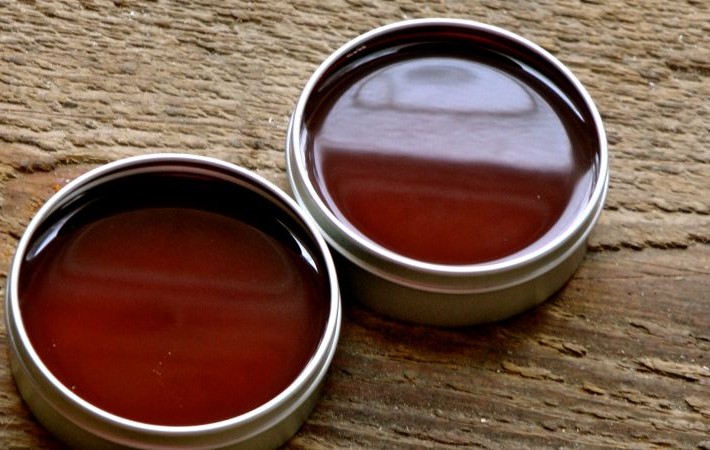
- Store: Pour the warm liquid into clean, dry glass jars or tins. Let it cool completely at room temperature, where it will solidify into an ointment. Label the container with the name and date of preparation. It can be stored in a cool, dark place for up to one year.
Administration Protocol and Safety Limits
Proper application is critical for both efficacy and safety. Therefore, follow these guidelines strictly.
Mandatory Patch Test
Before your first full application, you must perform a patch test. Apply a tiny amount of the ointment to a small area of skin on your inner arm. Wait 24 hours to check for any signs of excessive irritation, rash, or allergic reaction.
Application and Dosage
- Quantity: Apply a thin layer to the affected joint. A small amount is sufficient.
- Frequency: Massage gently into the skin 2 to 3 times per day. Consistent application is key to achieving the pain-relieving effect.
- Duration of Treatment: Use continuously for up to 3-4 weeks. After this period, take a mandatory break of at least one week to assess your symptoms and prevent skin desensitization.
- Important Precaution: Always wash your hands thoroughly with soap and water immediately after application. Avoid touching your eyes, nose, mouth, or any sensitive areas.
Specific Biological Limitation
The primary mechanism of capsaicin involves activating heat-sensitive nerve receptors (TRPV1), which initially causes a burning sensation. This process is necessary to deplete Substance P and achieve pain relief. However, this very mechanism makes it unsuitable for individuals with pre-existing skin conditions like eczema, psoriasis, or rosacea on the target area, as it can severely exacerbate inflammation and discomfort. For this reason, it should never be applied to compromised or sensitive skin.
Contraindications and Precautions
This ointment is strictly for external use. Do not ingest.
Absolute Contraindications
- Broken or Irritated Skin: Never apply to open wounds, cuts, rashes, or sunburned skin.
- Mucous Membranes: Avoid all contact with eyes, nostrils, mouth, and genital areas. Accidental contact can cause intense pain and irritation.
- Allergies: Do not use if you have a known allergy to peppers (from the Solanaceae family, which also includes tomatoes and potatoes) or any other ingredient.
Vulnerable Populations
- Pregnancy and Breastfeeding: There is insufficient data on the safety of topical capsaicin during pregnancy or lactation. Therefore, consult a healthcare provider before use.
- Children: This preparation is not recommended for children under the age of 12 due to their sensitive skin.
Documented Adverse Effects
- Common: A mild to moderate sensation of burning, stinging, or redness at the application site is normal and expected, especially during the first few applications. This typically subsides with continued use.
- When to Stop Immediately: Discontinue use if you experience severe pain, blistering, swelling, or a rash.
Therapeutic Alternatives
If cayenne pepper is not suitable for you, several other evidence-based topical botanicals may provide relief.
| Alternative | Mechanism and Use |
|---|---|
| Arnica (Arnica montana) | Contains sesquiterpene lactones that provide a potent anti-inflammatory effect. It is particularly effective for pain associated with bruises, sprains, and osteoarthritis. Clinical trials have shown its efficacy to be comparable to topical NSAIDs like ibuprofen. |
| Comfrey (Symphytum officinale) | Contains allantoin and rosmarinic acid, which reduce inflammation and promote tissue repair. It is traditionally used for muscle pain, joint sprains, and osteoarthritis. Crucially, only use commercially prepared, PA-free (pyrrolizidine alkaloid-free) products, as PAs can be toxic to the liver. |
| Devil’s Claw (Harpagophytum procumbens) | While commonly taken orally, topical gels and creams are also available. Its active compounds, harpagosides, have well-documented analgesic and anti-inflammatory properties, making it a good option for low back pain and osteoarthritis. |
*Note: Each alternative has its own specific contraindications and should be used as directed.
Recent Medical Research (2020-2026)
Modern science continues to validate the traditional use of capsaicin for pain management. A 2017 Cochrane Review, which remains a key reference, concluded that topical capsaicin can provide a moderate level of pain relief for people with chronic neuropathic pain. More recently, a 2020 systematic review in the journal Pain reinforced its utility in managing various musculoskeletal pain conditions, highlighting its role as a valuable non-opioid analgesic.
Current research limitations include determining the optimal dosage and application frequency for different types of pain and understanding its long-term effects on nerve function more deeply.
Specialist’s Summary
Topical cayenne, acting through its active compound capsaicin, offers moderate, evidence-supported pain relief for chronic conditions like osteoarthritis by depleting nerve pain signals. Its effectiveness requires consistent daily application for up to two weeks, but its use is limited by the initial skin irritation it causes. It is strictly contraindicated on broken or irritated skin. Validated alternatives with different mechanisms of action include anti-inflammatory Arnica and tissue-repairing, PA-free Comfrey preparations.
Frequently Asked Questions
How long does it take for cayenne cream to work?
You will feel a warming sensation almost immediately. However, the true analgesic (pain-relieving) effect, which relies on depleting Substance P, typically requires consistent application for several days to two weeks.
Why does cayenne pepper cream burn my skin?
The burning sensation is a normal and necessary part of how capsaicin works. It activates the TRPV1 nerve receptors, which your brain interprets as heat. This initial stimulation is what ultimately leads to the depletion of pain transmitters. The sensation should be mild to moderate and usually lessens with regular use.
Can I use a stronger concentration of cayenne for faster results?
No, this is not recommended. Using a higher concentration of capsaicin significantly increases the risk of severe skin irritation, blistering, and pain without necessarily speeding up the therapeutic effect. It is best to start with a low concentration as described in the recipe.
Sources and References
- Derry, S., Rice, A. S., Cole, P., Tan, T., & Moore, R. A. (2017). Topical capsaicin (high concentration) for chronic neuropathic pain in adults. Cochrane Database of Systematic Reviews.
- Devesa, I., Ferrándiz, M. L., & González-Alvaro, I. (2020). Topical capsaicin for the treatment of musculoskeletal pain. Pain, 161(Suppl 1), S79–S90.
- European Medicines Agency (EMA). (2015). Community herbal monograph on Capsicum frutescens L., fructus.
- Laslett, L. L., & Jones, G. (2014). Capsaicin for osteoarthritis pain. Progress in drug research. Fortschritte der Arzneimittelforschung. Progres des recherches pharmaceutiques, 68, 277–291.
**⚠️ Important Medical Information**
This article is for **educational and informational purposes only** and is not intended as medical advice, diagnosis, or treatment. The information provided about Cayenne Pepper (Capsicum frutescens) is based on traditional use, preliminary research, and available scientific evidence, which may be limited.
**Before using Cayenne Pepper ointment:**
– **Consult a qualified healthcare provider**, especially if you are pregnant, breastfeeding, taking medications, or have existing health conditions like sensitive skin or circulatory problems.
– **Do not use as a substitute** for prescribed medications or professional medical treatment.
– **Individual results may vary** – what works for one person may not work for another.
– **Monitor for adverse reactions** and discontinue use if negative symptoms like severe burning, blistering, or rash occur.
**Regulatory status:** Cayenne pepper preparations are often considered traditional remedies or supplements and have not been evaluated by the FDA for treating, curing, or preventing any disease.