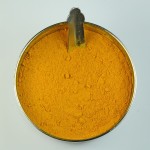
This topical preparation combines three botanicals known for their potent anti-inflammatory and circulation-stimulating properties: ginger, turmeric, and cayenne pepper. When applied externally, these ingredients may help improve local blood flow and support skin texture. Consequently, this formulation is sometimes used to enhance the appearance of skin affected by cellulite or to provide a warming sensation for minor muscular discomfort. This guide provides a detailed recipe, clear application protocols, and essential safety information.
> ⚠️ **WARNING – Potential for Significant Skin Irritation!**
> *Cayenne pepper contains capsaicin, a powerful compound that causes a strong warming or burning sensation. This effect can be intense and may lead to significant redness, irritation, or discomfort, especially on sensitive skin. A patch test is mandatory before applying this cream to a larger area.*

A combination of warming and anti-inflammatory botanicals for topical use.
Formulation and Preparation
This recipe creates a firm, oil-based balm. The ingredients work synergistically; cayenne and ginger provide a warming effect that stimulates local circulation, while turmeric offers anti-inflammatory benefits. The beeswax provides structure, and the carrier oil helps deliver the active compounds to the skin.
Ingredients
| Ingredient | Quantity | Purpose |
| Turmeric Powder (Curcuma longa) | 3 tablespoons | Anti-inflammatory (Curcumin) |
| Cayenne Pepper Powder (Capsicum annuum) | 3 tablespoons | Warming agent, circulation stimulant (Capsaicin) |
| Ginger Powder (Zingiber officinale) | 2 tablespoons | Anti-inflammatory, warming agent (Gingerols) |
| Olive Oil or Grapeseed Oil | 3 cups (approx. 700 ml) | Carrier oil |
| Beeswax Pellets | ½ cup (approx. 115 g) | Thickening agent, emulsifier |
Preparation Method
- Combine the turmeric, cayenne, and ginger powders in a bowl. Add the carrier oil and mix thoroughly to create a uniform slurry.
- Transfer the mixture to a double boiler (or a heatproof bowl set over a pot of simmering water). Heat gently on low for 10-15 minutes, stirring occasionally. This process helps infuse the oil with the botanicals’ active compounds. Do not allow the oil to boil.
- Add the beeswax pellets to the warm oil. Continue to stir gently until the beeswax has completely melted.
- Remove the pot from the heat. Carefully pour the mixture into a clean, dry glass jar.
- Allow the mixture to cool at room temperature or in the refrigerator. It will solidify into a balm-like consistency as it cools. Store in a cool, dark place.
Application Protocol and Safety
Proper application is crucial for both efficacy and safety. This is not a standard moisturizing lotion and must be used with care.
Mandatory Safety Step: The Patch Test
Before first use, you must perform a patch test to check for sensitivity or allergic reaction.
- Apply a very small amount of the cream to a discreet area of skin, such as the inner forearm.
- Wait for 24 hours.
- Mild warmth and redness are expected due to the capsaicin. However, if you experience intense burning, blistering, a rash, or severe itching, wash the area immediately with soap and cool water and do not use the product.
Application Guidelines
- Frequency: Apply a thin layer to the target areas (such as thighs, buttocks, or abdomen) no more than 3-4 times per week.
- Duration of Use: Use in cycles of 4 weeks, followed by a mandatory 2-week break to prevent skin sensitization.
- Method: Massage a small amount into the skin using firm, circular motions until it is mostly absorbed. Always wash your hands thoroughly with soap and water immediately after application to avoid transferring the cream to your eyes, mouth, or other sensitive areas.
- Important Note: Turmeric will cause temporary yellow staining on the skin and can permanently stain clothing and fabrics.
Specific Biological Limitation
The primary active compound in cayenne pepper is capsaicin. It works by binding to a receptor on nerve cells called TRPV1 (Transient Receptor Potential Vanilloid 1). Activating this receptor causes the sensation of heat and triggers a localized inflammatory response, which results in vasodilation (widening of blood vessels) and increased blood flow.
While this mechanism can be beneficial for stimulating circulation, it becomes problematic for individuals with compromised skin barriers, rosacea, or inflammatory skin conditions like eczema. For these individuals, the induced inflammation can exacerbate their condition, leading to severe irritation and discomfort.
Contraindications and Precautions
This preparation is not suitable for everyone. Adherence to these contraindications is essential for safety.
Absolute Contraindications (DO NOT USE)
- On the Face or Neck: The skin in these areas is too sensitive.
- On Broken or Irritated Skin: Do not apply to cuts, scrapes, sunburns, or areas with active rashes or dermatitis.
- On Mucous Membranes: Avoid contact with eyes, nostrils, mouth, and genital areas.
- Known Allergies: Individuals with known allergies to plants in the nightshade family (Solanaceae), such as peppers, or the ginger family (Zingiberaceae) should not use this cream.
- Over Varicose Veins: The stimulating effect may cause irritation to fragile superficial veins.
Vulnerable Populations
- Pregnancy and Breastfeeding: Avoid use, as the safety of topically applied capsaicin and other compounds has not been established in these populations.
- Children: This cream is not suitable for use on children under 18 years of age due to their sensitive skin.
Documented Adverse Effects
- Common: Moderate redness, a strong sensation of warmth or burning, and temporary yellow staining of the skin.
- Severe (Rare): Blistering, severe pain, or allergic contact dermatitis. Discontinue use immediately if these occur.
Therapeutic Alternatives
If this warming cream is not suitable for you, other options may help support skin health and circulation.
Botanical Alternatives
- Gotu Kola (Centella asiatica): Creams containing Gotu Kola extract are well-researched for their ability to support collagen synthesis and improve skin firmness and elasticity. It is a non-irritating alternative.
- Horse Chestnut (Aesculus hippocastanum): Topical preparations with aescin, the active compound in horse chestnut, are commonly used to support venous health and reduce fluid retention, which can contribute to the appearance of cellulite.
Lifestyle and Medical Approaches
It is important to remember that no topical cream can eliminate cellulite. The most effective strategies involve a holistic approach, including regular physical activity, a balanced diet rich in fiber and antioxidants, adequate hydration, and maintaining a healthy weight. Medical procedures such as laser therapy or radiofrequency may also be considered under the guidance of a dermatologist.
Recent Medical Research (2020-2026)
Recent research continues to explore the mechanisms of these botanicals for topical use.
- A 2021 review on the dermatological effects of capsaicin highlighted its role in modulating nerve endings and its potential use in managing certain types of localized pain, which underscores its potent biological activity.
- Research into topical curcumin has focused on its anti-inflammatory and antioxidant properties. A 2021 study confirmed that nano-formulations of curcumin can enhance its skin penetration, making it more effective for conditions like psoriasis and wound healing.
Current Limitations: While the individual ingredients are well-studied, high-quality clinical trials on this specific combination for cellulite are lacking. Most evidence remains anecdotal or is based on the known physiological effects of each component.
Specialist’s Summary
This homemade preparation with cayenne, ginger, and turmeric acts as a topical rubefacient, temporarily increasing local blood flow and creating a warming sensation. It may modestly improve skin texture and appearance but will not eliminate cellulite. Its use is limited by a high potential for skin irritation, making a patch test essential. This cream is strictly contraindicated for sensitive skin, broken skin, and during pregnancy, with non-irritating alternatives like Gotu Kola available.
Frequently Asked Questions
Can this cream permanently get rid of cellulite?
No. Cellulite is a complex structural issue involving fat deposits, connective tissue, and skin laxity. This cream can only offer temporary, superficial improvement in skin appearance by increasing local circulation. It does not affect the underlying structure.
Why does my skin feel hot and turn red after application?
This is the expected physiological reaction to capsaicin from the cayenne pepper. Capsaicin activates heat receptors in your skin, causing blood vessels to dilate. This increases blood flow to the area, resulting in redness and a sensation of warmth or burning.
Is it safe to use this cream every day?
No, daily use is not recommended. Overuse can lead to chronic skin irritation, inflammation, or desensitization of nerve endings. It is best to use it in cycles, no more than 3-4 times per week for four weeks, followed by a two-week break.
Sources and References
- Rondanelli, M., et al. (2021). The Use of a Standardized Extract of Centella asiatica in Chronic Venous Insufficiency and in High-perfusion Microangiopathy. Angiology.
- Wollina, U., & Abdel-Naser, M. B. (2021). Role of Capsaicin for the Treatment of Cutaneous Diseases. Dermatologic Therapy.
- Bilia, A. R., et al. (2021). The Amazing Health Benefits and Versatility of Curcumin. Pharmaceutics.