Urticaria, commonly known as hives, is a skin condition characterized by the sudden appearance of raised, pale-red welts or plaques (wheals) on the skin. This reaction is typically a response to an allergen, which triggers specialized immune cells called mast cells to release histamine and other inflammatory chemicals into the skin. Consequently, this histamine release causes localized swelling, itching, and redness. Common triggers include certain foods, medications, insect stings, pollen, and even physical factors like stress or pressure on the skin. While most acute cases of hives resolve within a few days, the associated itching can be intensely uncomfortable. Therefore, exploring supportive natural remedies, alongside conventional medical advice, can be beneficial for symptom management.

Stinging Nettle (Urtica dioica): A Natural Antihistamine Approach
Stinging Nettle is a well-regarded plant in traditional herbal medicine, particularly for allergic conditions. Its therapeutic potential for hives stems from its ability to modulate the body’s inflammatory pathways. Specifically, compounds within nettle may help stabilize mast cells, thereby reducing the release of histamine that causes the characteristic itching and swelling of urticaria. Furthermore, it contains anti-inflammatory components that can help soothe irritated skin from within.
How to Prepare Nettle Tea
A simple infusion is the most common method for using nettle internally.
- Ingredients: 1-2 teaspoons of dried nettle leaf and 1 cup (approx. 240 ml) of boiling water.
- Instructions: Place the dried nettle leaf in a mug. Pour the boiling water over the leaves. Cover and let it steep for 10-15 minutes to ensure proper extraction of its active compounds. Finally, strain the leaves and drink the tea. You may add a small amount of honey for taste if desired.
Administration Protocol and Safety Limits
| Parameter | Guideline |
| Treatment Duration | Up to 30 days of continuous use. |
| Mandatory Break | A minimum of 14 days is required between treatment cycles. |
| Maximum Daily Dose | Do not exceed 3 cups (720 ml) of nettle tea per day. For standardized extracts, follow the manufacturer’s dosage, but do not exceed 900 mg daily. |
| Administration Condition | Consume with or after meals to minimize potential stomach upset. Ensure adequate hydration throughout the day due to its diuretic effect. |
Specific Biological Limitation
Diuretic and Hypotensive Effects: Nettle acts as a natural diuretic, increasing urine output. This mechanism can be beneficial for some but poses a risk for individuals with pre-existing kidney conditions or those on diuretic medications, as it can lead to dehydration or electrolyte imbalances. Moreover, it may lower blood pressure, which is dangerous for people with hypotension or those taking antihypertensive drugs.
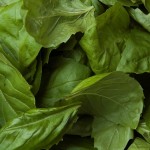
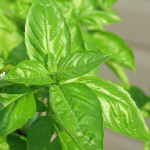
Basil (Ocimum basilicum): Topical Anti-Inflammatory Support
Basil is a well-known culinary herb that also possesses significant therapeutic properties. Its primary value in managing hives is through topical application. Basil leaves contain potent anti-inflammatory and antihistamine compounds, such as eugenol and rosmarinic acid. When applied to the skin, these components can help reduce local inflammation and calm the intense itching associated with hives, providing direct, targeted relief.
How to Prepare a Basil Compress
A topical application is the safest and most direct way to use basil for skin irritation.
- Ingredients: A handful of fresh basil leaves or 1 tablespoon of dried basil, and 1 cup of hot water.
- Instructions: Steep the basil in hot water for 10 minutes in a covered container to trap the volatile oils. Allow the infusion to cool completely. Soak a clean cotton cloth in the cooled liquid and apply it gently to the affected areas for 15-20 minutes.
Administration Protocol and Safety Limits
| Parameter | Guideline |
| Application Duration | Apply topically as needed for symptom relief, up to 3-4 times per day. |
| Safety Precaution | Always perform a patch test. Apply a small amount of the basil infusion to a discreet area of skin (e.g., the inner wrist) and wait 24 hours to check for any signs of irritation or allergic reaction before applying to larger areas. |
| Method of Use | For external use only. Do not apply to broken or open skin. |
Contraindications and Precautions
Herbal remedies are potent and require careful use. Always consult a healthcare professional before starting any new treatment, especially if you have underlying health conditions or are taking other medications.
Absolute Contraindications (FORBIDDEN)
- Nettle: Individuals with congestive heart failure, kidney disease, or those on diuretic medication should avoid nettle due to its effects on fluid balance and blood pressure.
- Basil (Topical): People with a known allergy to basil or other plants in the Lamiaceae (mint) family, such as mint, rosemary, or oregano.
Vulnerable Populations
- Pregnancy: Nettle is contraindicated as it may affect the uterine muscles and hormonal balance.
- Breastfeeding: The safety of nettle and concentrated basil use during lactation has not been established. Therefore, it is best to avoid them.
- Children: Do not administer nettle internally to children under 12 without pediatric consultation. Topical basil may be used cautiously after a successful patch test.
Major Drug Interactions
- Anticoagulants (Blood Thinners): Nettle contains Vitamin K, which can interfere with the efficacy of drugs like warfarin.
- Antihypertensive and Antidiabetic Drugs: Nettle can potentiate the effects of these medications, leading to dangerously low blood pressure or blood sugar levels.
- NSAIDs: Nettle may increase the anti-inflammatory effect of nonsteroidal anti-inflammatory drugs, but this interaction should be monitored by a doctor.
Therapeutic Alternatives
If Nettle or Basil are not suitable for you, other options may provide relief.
- Quercetin: This flavonoid, found in onions, apples, and berries, is a potent mast cell stabilizer and natural antihistamine. It is available as a dietary supplement and has a stronger evidence base for managing allergic reactions.
- Chamomile (Matricaria recutita): Used topically as a compress or in a cream, chamomile has excellent anti-inflammatory and soothing properties that can calm itchy, irritated skin. However, it can cause allergic reactions in those sensitive to the Asteraceae family (e.g., ragweed).
- Pharmacological Option: Over-the-counter (OTC) second-generation antihistamines (e.g., cetirizine, loratadine) are the standard medical treatment for hives. They are highly effective at blocking histamine receptors and typically have fewer sedative effects than older antihistamines.
Note: Each alternative has its own set of contraindications and potential side effects.
Recent Medical Research (2020-2026)
Modern research continues to investigate the mechanisms behind traditional herbal remedies. Recent studies have focused on isolating the active compounds in plants like Nettle and understanding their precise effects on the immune system.
- A 2023 review on phytotherapy for allergic rhinitis highlighted that extracts from Urtica dioica demonstrated an ability to inhibit several key inflammatory pathways associated with allergic symptoms, including the antagonism of the histamine H1 receptor.
- Research into Ocimum species continues to confirm their potent anti-inflammatory and antioxidant activities, primarily attributed to their rich phenolic content. However, high-quality human trials for topical use in urticaria are still lacking.
Current Limitations: While promising, much of the research on these herbs involves in-vitro (lab) or animal studies. More robust, large-scale human clinical trials are needed to establish definitive efficacy and standardized dosing for urticaria.
Specialist’s Summary
Stinging Nettle may offer systemic support for hives by modulating the histamine response, with moderate effects typically observed after several days of consistent use. However, it is contraindicated in individuals with kidney or heart conditions and interacts with several major drug classes. Topical Basil serves as a useful, low-risk option for immediate, localized relief from itching. Validated alternatives with stronger evidence include Quercetin supplements and standard OTC antihistamines.
Frequently Asked Questions
Can nettle tea stop a hives outbreak immediately?
No. Nettle works systemically to modulate the body’s inflammatory response, not as an immediate rescue remedy. Its effects are cumulative and may take several days to become noticeable. For acute relief, a cold compress or a standard antihistamine is more effective.
Is it safe to crush fresh basil leaves and put them directly on my hives?
While this is a traditional method, creating a water-based infusion first (as described above) is safer. This dilutes the potent essential oils in the leaves, reducing the risk of skin irritation, especially on already inflamed skin. Always perform a patch test first.
Can I use these herbs instead of my allergy medication?
No. You should not replace any prescribed medication with herbal remedies without consulting your doctor. These herbs should be considered a complementary therapy to support symptom management, not a substitute for conventional medical treatment.
Sources and References
- Batiha, G. E., Al-kuraishy, H. M., Al-Gareeb, A. I., Welson, N. T., & Alex, M. (2023). The Phytotherapeutic Potential of Urtica dioica for the Treatment of Allergic Rhinitis. Inflammopharmacology, 31(4), 1613–1626. https://doi.org/10.1007/s10787-023-01253-9
- European Medicines Agency (EMA). (2012). Community herbal monograph on Urtica dioica L.; Urtica urens L., folium. EMA/HMPC/508013/2010
- Sestili, P., Ismail, T., Calcabrini, C., Guescini, M., Catanzaro, E., Turrini, E., & Fimognari, C. (2017). The potential effects of Ocimum basilicum on health: a review of pharmacological and toxicological studies. Expert Opinion on Drug Metabolism & Toxicology, 13(7), 679-692.