Mint and Basil Tea for Mental Focus: Benefits and Safe Use

Learn how this traditional herbal tonic may support cognitive function, with a safe recipe and usage guide.

by Andreea Smiterson
0 comments
A+A-
Reset

Mint and basil are aromatic herbs long valued in traditional medicine for their invigorating properties. Far from just being culinary staples, their volatile compounds may have a beneficial effect on cognitive function, potentially helping to alleviate mental fatigue and enhance focus. However, while traditionally used to uplift the mind, it is crucial to understand their evidence-based benefits, proper preparation, and safety protocols before incorporating them into your wellness routine.

This article provides an evidence-based overview of the potential cognitive benefits of mint and basil, a safe recipe for a cerebral tonic, and essential safety information to ensure responsible use.

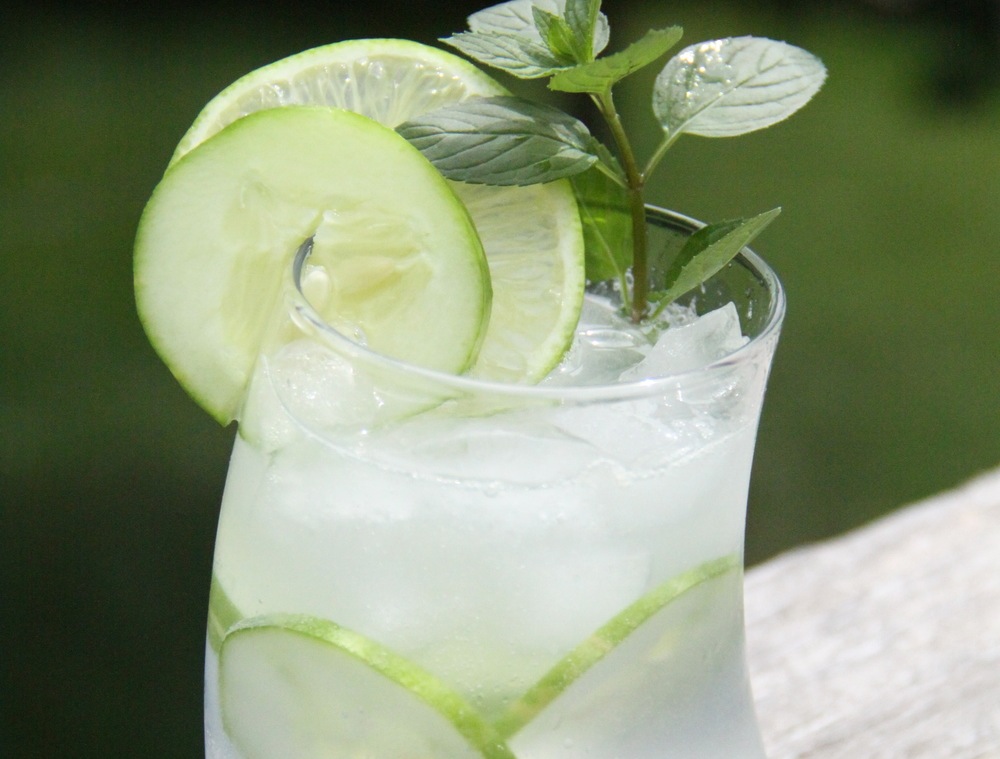
mint basil cerebral tonic

The Science Behind Mint and Basil for Cognitive Support

Holy Basil (Ocimum sanctum) and Sweet Basil (Ocimum basilicum)

Traditionally, basil is revered as a powerful adaptogen and nervine tonic, particularly in Ayurvedic medicine. An adaptogen is a substance that may help the body resist stressors of all kinds, whether physical, chemical, or biological. Modern research has begun to investigate these historical uses.

  • Cognitive Function and Stress Reduction: Research suggests that compounds in basil, such as eugenol and linalool, possess neuroprotective properties. For instance, a systematic review published in Evidence-Based Complementary and Alternative Medicine highlighted Holy Basil’s potential to improve memory and cognitive function, largely attributed to its antioxidant and anti-inflammatory effects on the brain. Furthermore, it may help modulate the body’s stress response by influencing the hypothalamic-pituitary-adrenal (HPA) axis.
  • Cerebral Circulation: While traditional beliefs suggest basil stimulates cerebral circulation, robust clinical evidence in humans is still developing. However, its antioxidant properties may contribute to overall vascular health, which is essential for optimal brain function.

Peppermint (Mentha piperita)

Peppermint is widely recognized for its refreshing aroma and stimulating effects. Its primary active compound, menthol, is responsible for many of its therapeutic properties.

  • Enhanced Alertness and Memory: Several studies indicate that the aroma of peppermint can have a significant impact on cognitive performance. For example, research from Northumbria University in the UK found that peppermint tea could enhance and arouse both mood and cognition, helping to improve long-term memory and working memory. The stimulating scent is thought to act on the brain’s arousal systems.
  • Reduced Mental Fatigue: Scientists have observed that peppermint may help reduce the production of cortisol, a primary stress hormone. By mitigating the effects of stress, it can help combat mental fatigue and improve motivation, making it a useful aid during periods of intense intellectual effort.

Recipe for a Mint and Basil Herbal Infusion

This recipe uses a standard infusion method to preserve the delicate volatile oils of the herbs, which are crucial for their aromatic and therapeutic effects. Boiling these leaves can destroy these beneficial compounds.

Ingredients

  • 1 teaspoon dried peppermint leaves (or 1 tablespoon fresh)
  • 1 teaspoon dried basil leaves (or 1 tablespoon fresh)
  • 400 ml (approx. 1.7 cups) of freshly boiled water
  • Optional: 1 teaspoon of raw honey (add only when the tea has cooled to a drinkable temperature)

Preparation Method

  1. Place the mint and basil leaves in a teapot or a heat-proof mug.
  2. Boil the water and let it cool for about one minute to avoid scorching the herbs.
  3. Pour the hot water over the leaves.
  4. Cover the container immediately with a lid or saucer. This is a critical step to trap the volatile oils and prevent them from escaping with the steam.
  5. Let the mixture infuse for 7-10 minutes.
  6. Strain the tea into a cup. If desired, add honey once it has cooled slightly. Serve warm.

Administration Protocol and Safety Limits

To ensure both safety and efficacy, it is essential to follow a structured protocol when consuming this herbal tonic.

Parameter Guideline
Maximum Daily Dose 2-3 cups (approximately 600-800 ml) per day for a healthy adult.
Treatment Duration Consume regularly for up to 3 weeks.
Mandatory Break Take a mandatory break of at least 7-10 days between treatment cycles to prevent tolerance and allow the body to reset.
Administration Timing Best consumed in the morning or early afternoon to support daytime focus. Avoid late-night consumption due to its stimulating properties, which may interfere with sleep.

Overdose Risk: Exceeding the recommended dose is not advised. High quantities of mint can cause gastrointestinal distress, and excessive basil intake over long periods may have theoretical risks related to compounds like estragole (though amounts in tea are generally low).

Specific Biological Limitation

Menthol and the Lower Esophageal Sphincter (LES): Peppermint contains menthol, a compound that can relax smooth muscles. While this is beneficial for conditions like irritable bowel syndrome (IBS), it can also relax the LES—the valve between the esophagus and the stomach. For individuals with gastroesophageal reflux disease (GERD) or acid reflux, this relaxation can worsen symptoms by allowing stomach acid to flow back into the esophagus, causing heartburn and discomfort.

Contraindications and Precautions

Always consult a healthcare provider before starting any new herbal remedy, especially if you have pre-existing conditions or are taking medication.

  • Absolute Contraindications: Do not use if you have a known allergy to plants in the Lamiaceae (mint) family. Individuals with severe GERD or hiatal hernia should avoid peppermint.
  • Pregnancy and Breastfeeding: High doses of peppermint are not recommended during pregnancy as it may stimulate uterine blood flow. Basil’s safety in medicinal amounts during pregnancy is not well-established. Both should be used with caution and under medical supervision while breastfeeding.
  • Children: This tonic is not recommended for infants or very young children. For older children, use a significantly reduced strength and consult a pediatrician.
  • Drug Interactions:
    • Anticoagulants (Blood Thinners): Basil contains Vitamin K and a compound called eugenol, both of which can affect blood clotting. Individuals taking medications like warfarin should consult their doctor, as high intake could interfere with the drug’s efficacy.
    • Diabetes Medications: Basil may have a blood sugar-lowering effect. If you are taking medication for diabetes, monitor your blood sugar levels closely to avoid hypoglycemia.
    • Drugs Metabolized by the Liver: Peppermint may interact with medications broken down by the liver’s cytochrome P450 enzyme system. Consult a pharmacist or doctor if you are taking such medications.

Therapeutic Alternatives

If this mint and basil tonic is not suitable for you, other botanicals with strong scientific backing for cognitive support are available:

  1. Rosemary (Rosmarinus officinalis): Traditionally known as the “herb of remembrance,” the aroma of rosemary has been shown in studies to improve alertness, performance, and memory. It can be used as an essential oil for aromatherapy or as a tea.
  2. Ginkgo biloba: One of the most studied herbs for cognitive health, Ginkgo is known for its ability to improve blood flow to the brain. It is often used to support memory and concentration, particularly in older adults. It has significant drug interactions, so medical supervision is essential.
  3. Rhodiola rosea: As a potent adaptogen, Rhodiola is excellent for combating mental fatigue caused by stress. It helps improve focus and endurance during demanding cognitive tasks.

Recent Medical Research (2020-2026)

Modern science continues to validate the traditional uses of these herbs. A 2022 study published in the journal Frontiers in Nutrition investigated the effects of a peppermint extract on cognitive performance and mood in healthy adults. The results indicated significant improvements in performance on demanding cognitive tasks and a reduction in mental fatigue. Similarly, research on Holy Basil continues to grow, with a 2021 meta-analysis confirming its potential as an adaptogen for managing stress and its related cognitive deficits. However, researchers emphasize the need for larger, more rigorous human trials to establish definitive dosage and long-term safety profiles.

Specialist’s Summary

The combination of mint and basil creates a synergistic herbal infusion that may be useful for enhancing mental focus and reducing feelings of fatigue, particularly during periods of intellectual demand. Its effects are generally mild and appear relatively quickly due to its aromatic compounds. However, it is contraindicated for individuals with severe GERD and requires caution for those on anticoagulant or diabetes medications. Validated alternatives with different mechanisms of action include Rosemary, Ginkgo biloba, and Rhodiola rosea.

Frequently Asked Questions

1. Can I drink mint and basil tea every day?
It is recommended to consume this tea in cycles, such as for 3 weeks followed by a 1-week break. This practice, common in phytotherapy, helps prevent the body from building a tolerance and reduces the risk of any potential long-term side effects.

2. What are the main side effects of this tonic?
For most people, this tea is well-tolerated. The most common side effect, particularly from mint, is heartburn or worsening of acid reflux in susceptible individuals. Allergic reactions are rare but possible.

3. Will this tea cure my depression or anxiety?
No. This herbal tonic is not a treatment or cure for clinical depression, anxiety disorders, or chronic fatigue syndrome. While it may help alleviate temporary mental fatigue and improve mood, it is not a substitute for professional medical diagnosis and treatment. These conditions require consultation with a qualified healthcare provider.

4. Is this tonic safe for children?
No, it is not recommended for infants or toddlers. For children over the age of 6, a much weaker infusion may be considered, but only after consulting with a pediatrician to ensure safety and appropriate dosage.

Sources and References

  • Kennedy, D., et al. (2018). Volatile Terpenes and Brain Function: Investigation of the Cognitive and Mood Effects of Mentha × Piperita L. Essential Oil in a Crossover Study in Healthy Young Adults. Nutrients.
  • Jamshidi, N., & Cohen, M. M. (2017). The Clinical Efficacy and Safety of Tulsi in Humans: A Systematic Review of the Literature. Evidence-Based Complementary and Alternative Medicine.
  • Moss, M., & Oliver, L. (2012). Plasma 1,8-cineole correlates with cognitive performance following exposure to rosemary essential oil aroma. Therapeutic Advances in Psychopharmacology.

⚠️ Important Medical Information

This article is for educational and informational purposes only and is not intended as medical advice, diagnosis, or treatment. The information provided about Mint and Basil is based on traditional use, preliminary research, and available scientific evidence, which may be limited.

Before using Mint and Basil:

  • Consult a qualified healthcare provider, especially if you are pregnant, breastfeeding, taking medications, or have existing health conditions like GERD or blood clotting disorders.
  • Do not use as a substitute for prescribed medications or professional medical treatment for conditions like depression or anxiety.
  • Individual results may vary – what works for one person may not work for another.
  • Monitor for adverse reactions and discontinue use if negative symptoms occur.


You may also like

Leave a Comment