A Phytotherapist’s Guide to Basil (Ocimum basilicum): Benefits, Uses, and Safety Protocols

by Andreea Smiterson
0 comments
A+A-
Reset

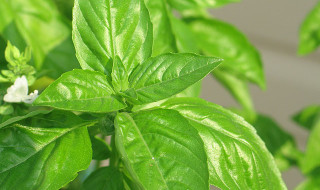
Basil (Ocimum basilicum), a prominent herb in the mint family (Lamiaceae), is widely recognized for its culinary applications. However, its use extends deep into traditional medicine systems, such as Ayurveda, due to its rich composition of bioactive compounds. The leaves and flowers contain essential oils like eugenol, linalool, and estragole, alongside vitamins K and A, manganese, and antioxidants. These components give basil its scientifically-supported anti-inflammatory, antimicrobial, and adaptogenic (stress-reducing) properties. Consequently, it serves as a valuable supportive agent in various health contexts when used correctly.

⚠️ **WARNING – Potential Risk with Long-Term Use!**

Certain varieties of basil contain estragole, a natural organic compound. While safe in culinary amounts, high-dose or long-term medicinal use of basil preparations has raised theoretical concerns based on animal studies. Therefore, it is crucial to adhere to recommended dosages and treatment cycles and to avoid continuous, uninterrupted consumption.

Administration Protocol and Safety Limits

Proper administration is essential for achieving therapeutic benefits while minimizing risks. The following protocols are based on traditional use and modern safety considerations for a healthy adult.

Protocol Specification
Treatment Duration Up to 14 consecutive days.
Mandatory Break A minimum of 7-10 days is required between treatment cycles.
Maximum Daily Dose
  • Fresh Leaves: Up to 10-12 leaves.
  • Dried Herb (Infusion): 2-4 grams, divided into 2-3 doses.
Overdose Risk Exceeding the recommended daily dose over extended periods may theoretically increase exposure to estragole and could potentially cause gastrointestinal upset in sensitive individuals.
Administration Method For infusions (tea), pour 200 ml (approx. 7 oz) of boiling water over 1-2 teaspoons of dried basil leaves. Cover and let steep for 10-15 minutes before straining. This method helps preserve the volatile oils. Consume after meals to minimize potential stomach irritation.

Specific Biological Limitation

Basil’s primary limitation relates to the compound estragole. In high-dose animal studies, estragole has been shown to have genotoxic and carcinogenic properties. Although the amounts consumed in typical culinary or short-term medicinal use are far below the levels used in these studies, this finding underpins the recommendation against long-term, high-dose supplementation. The human body can metabolize small amounts of estragole safely; however, continuous exposure could potentially overwhelm these detoxification pathways. For this reason, cyclical use with mandatory breaks is a critical safety measure.

Validated Therapeutic Applications

Basil can be a useful complementary remedy for several minor conditions. Importantly, it should not be used to treat serious diseases like dengue, malaria, or kidney stones, which require immediate medical attention.

Basil – The Best Remedy for Coughs and Colds

Support for Minor Respiratory Discomfort

Basil is traditionally used to soothe symptoms associated with the common cold and coughs. Its essential oils may provide a mild expectorant and anti-inflammatory effect, helping to calm an irritated throat.

Supportive Remedy: Prepare a simple basil infusion by steeping 8-10 fresh leaves (or 1-2 teaspoons of dried leaves) in a cup of hot water for 10 minutes. You can drink this tea two to three times a day. For a sore throat, a warm, unsweetened basil tea can also be used as a gentle gargle.

Management of Mild Headaches

For tension-type headaches, basil may offer relief due to its muscle-relaxing and calming properties. The aroma of basil itself can be soothing.

Supportive Remedy: Drinking a warm cup of basil tea can help relax tense muscles. Additionally, massaging a single drop of basil essential oil, heavily diluted in a carrier oil like jojoba or almond oil (1 drop per tablespoon of carrier oil), onto the temples may provide localized relief. Always perform a patch test first to check for skin sensitivity.

Support for Minor Skin Blemishes

The antimicrobial properties of basil’s essential oils can be beneficial for skin prone to minor bacterial blemishes or acne. It helps by reducing the bacterial load on the skin’s surface.

Supportive Remedy: A cooled basil tea can be used as a facial toner. Apply it to the affected areas with a cotton pad after cleansing. This helps to reduce surface bacteria without the harshness of some commercial products. Never apply undiluted basil essential oil directly to the skin.

Contraindications and Precautions

Absolute Contraindications

  • Allergy: Individuals with a known allergy to basil or other plants in the Lamiaceae family (e.g., mint, rosemary, sage, thyme) should avoid it completely.

Vulnerable Populations

  • Pregnancy and Breastfeeding: Basil in medicinal quantities is contraindicated. Its compounds can potentially stimulate the uterus, and safety during lactation has not been established.
  • Children: Not recommended for medicinal use in children under 6 years of age. For older children, use reduced dosages and consult a healthcare professional.
  • Surgery: Basil may slow blood clotting. It is advisable to stop using medicinal amounts of basil at least two weeks before scheduled surgery.

Major Drug Interactions

  • Anticoagulants and Antiplatelet Drugs (e.g., Warfarin, Aspirin): Basil contains Vitamin K and may have antiplatelet effects. Consequently, it could interfere with these medications, potentially increasing the risk of bleeding. Consult your doctor before use.
  • Antihypertensive and Antidiabetic Drugs: Basil may lower blood pressure and blood sugar levels. When combined with medications for these conditions, it could lead to hypotension or hypoglycemia. Therefore, careful monitoring is necessary.

Documented Adverse Effects

  • Common: Mild gastrointestinal upset or allergic skin reactions in sensitive individuals.
  • Severe (Rare): Anaphylaxis in cases of severe allergy.

Therapeutic Alternatives

If basil is not suitable for your needs, other botanicals with stronger scientific backing are available.

Botanical Alternatives with Studies

  1. Thyme (Thymus vulgaris): For respiratory support, thyme is an excellent alternative. It is officially recognized by agencies like the EMA for its expectorant and spasmolytic properties, making it highly effective for coughs associated with colds.
  2. Peppermint (Mentha x piperita): For tension headaches, peppermint oil applied topically (diluted) has been shown in clinical trials to be as effective as some over-the-counter analgesics. Its main component, menthol, provides a cooling, pain-relieving sensation.

Pharmacological Options

  • For coughs and colds, over-the-counter options like guaifenesin (expectorant) or dextromethorphan (cough suppressant) are available. For persistent or severe symptoms, always consult a physician.

Note: Each alternative has its own specific contraindications and safety profile.

Recent Medical Research (2020-2026)

Modern research continues to explore the diverse pharmacological potential of Ocimum basilicum.

  • A 2021 review published in Foods highlighted the potent antioxidant and anti-inflammatory activities of basil extracts, attributing these effects to compounds like rosmarinic acid. The review supports its traditional use for inflammatory conditions and suggests potential in functional food development.
  • Research in the Molecules journal (2023) investigated the neuroprotective effects of basil essential oil. The study found that its aromatic compounds, particularly linalool, may help mitigate oxidative stress in brain cells, opening avenues for research into its role in cognitive health.

Current Limitations

Despite promising results, most studies are preclinical (in vitro or animal models). Robust, large-scale human clinical trials are still needed to confirm these effects and establish standardized, effective, and safe dosages for specific medical conditions.

Specialist’s Summary

Basil (Ocimum basilicum) is a useful supportive herb for mild respiratory discomfort, tension headaches, and minor skin blemishes, with gentle effects that typically appear with consistent, short-term use. It is contraindicated during pregnancy and for individuals on blood-thinning medications due to moderate interaction risks. For more potent, evidence-based effects, validated alternatives include Thyme for coughs and Peppermint for headaches.

Frequently Asked Questions

Can I drink basil tea every day?
No, it is not recommended for daily, long-term consumption. To ensure safety, especially concerning the compound estragole, basil should be used in cycles, such as for 14 days followed by at least a 7-day break.

Does basil help eliminate kidney stones?
There is no reliable scientific evidence that basil can eliminate existing kidney stones. While it has a mild diuretic effect, which supports overall kidney function, attempting to self-treat kidney stones can be dangerous. This condition requires a proper medical diagnosis and management plan from a healthcare professional.

Is basil safe to use during pregnancy?
No. Using basil in medicinal amounts (such as teas, tinctures, or supplements) is contraindicated during pregnancy. It has traditionally been considered an emmenagogue, meaning it could potentially stimulate uterine contractions. Culinary use in small amounts is generally considered safe.

Sources and References

Recent Studies (2020-2026):

  1. Sing B, et al. (2021). Pharmacological and Antioxidant Properties of Basil (Ocimum basilicum): A Review. Foods.
  2. Grigore A, et al. (2023). Chemical Composition and Neuroprotective Potential of Ocimum basilicum L. Essential Oil. Molecules.

Official Monographs:

While a specific monograph for Ocimum basilicum is not available from the EMA or WHO, related plants in the Lamiaceae family are well-documented, providing a basis for safety assessments.


You may also like

Leave a Comment