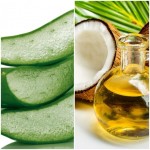
The Health Benefits of Aloe Vera Juice: A Professional Guide

by Andreea Smiterson
0 comments
A+A-
Reset

*Aloe vera* (Aloe barbadensis miller) is a succulent plant widely recognized for its historical use in traditional medicine. While its topical gel is famous for soothing skin, the juice derived from the inner leaf has gained popularity for its potential internal health benefits. This juice is a rich source of nutrients, including vitamins, minerals, amino acids, and potent plant compounds like polysaccharides. When used correctly, it can serve as a valuable supplement to a healthy lifestyle by supporting various bodily functions.

However, it is crucial to distinguish between different types of aloe products. Commercially prepared aloe vera juice should be made from the purified inner leaf gel, as the outer leaf contains latex with compounds that can be harmful if consumed improperly. Therefore, understanding its properties, appropriate use, and safety limits is essential for harnessing its benefits without incurring risks.

The Numerous Benefits of Aloe Vera Juice

⚠️ **WARNING – Risk of Laxative Compounds!**
*It is critical to choose aloe vera juice that is certified as purified, decolorized, and free of aloin (or with aloin content below 10 ppm). Aloin is a potent stimulant laxative found in the plant’s outer leaf latex. Consuming unpurified or whole-leaf aloe vera products can cause severe abdominal cramping, diarrhea, and electrolyte imbalances.*

Key Potential Benefits of Purified Aloe Vera Juice

Supports Digestive Health

Proper digestion is fundamental to absorbing nutrients effectively. Purified aloe vera juice may contribute to a healthy digestive system in several ways. For instance, its soothing properties can help calm irritation in the stomach and intestinal lining. Furthermore, the polysaccharides in aloe, such as acemannan, may act as prebiotics, nourishing beneficial gut bacteria. This, in turn, supports a balanced microbiome and can improve bowel regularity without the harsh effects of laxatives.

Contributes to Skin Hydration and Health

While topical aloe is well-known, internal consumption may also support skin health. The juice is primarily water, which aids in systemic hydration—a key factor for skin elasticity. Additionally, it contains antioxidants and vitamins that help protect cells from oxidative stress, a major contributor to premature aging. Some research suggests its compounds may support the body’s natural collagen production, which is vital for maintaining skin structure and firmness.

May Bolster the Immune System

A well-functioning immune system is our primary defense against pathogens. Aloe vera juice contains antioxidants, such as vitamins C and E, which neutralize free radicals and reduce cellular damage. Moreover, the polysaccharide acemannan has been studied for its immunomodulatory effects. It may help stimulate the activity of macrophages, which are white blood cells that play a crucial role in engulfing and destroying foreign invaders.

Promotes Oral and Dental Health

Aloe vera’s natural antibacterial and anti-inflammatory properties extend to oral hygiene. As a beverage, it can help soothe gum inflammation. In fact, some studies have shown that aloe vera in tooth gels and mouthwashes can be effective at controlling bacteria responsible for plaque and gingivitis. Its gentle nature makes it a suitable ingredient for individuals with sensitive gums or mouth ulcers.

Aids in Hydration and Metabolic Support

The term “detoxification” is often misused, but supporting the body’s natural cleansing processes is important. Aloe vera juice is an excellent vehicle for hydration due to its high water content. Proper hydration is essential for kidney and liver function—the body’s primary detoxification organs. The juice also provides a spectrum of minerals and trace elements that support metabolic processes, helping the body manage daily physiological demands more efficiently.

Administration Protocol and Safety Limits

Treatment Duration

  • Treatment duration: Up to 4 weeks of continuous use.
  • Mandatory break: A minimum of 2 weeks is required between treatment cycles.
  • Maximum treatments per year: No more than 6 cycles per year are recommended to avoid potential long-term side effects.

Quantity and Maximum Dose

  • Maximum daily dose for a healthy adult: 100 ml (approximately 3.5 fluid ounces) of purified, aloin-free juice.
  • Dose per administration: 30-50 ml.
  • Frequency: 1 to 2 times per day.

Overdose risk: Exceeding 100-150 ml per day, even of purified juice, may cause gastrointestinal upset, diarrhea, and potential electrolyte disturbances.

Administration Condition

  • Timing: For best absorption and to support digestion, consume on an empty stomach, approximately 20-30 minutes before a meal.
  • Method of consumption: The juice can be consumed as is or diluted in a small amount of water. Do not mix with hot beverages, as heat can degrade some of its active compounds.
  • Incompatibilities: Avoid consuming with other laxative supplements or foods to prevent an excessive cathartic effect.
  • Additional requirements: Ensure you purchase a high-quality, certified organic product that explicitly states it is made from the inner leaf gel and is “aloin-free” or “decolorized.”

Specific Biological Limitation

Anthraquinone-Induced Laxative Effect:
Aloe vera contains a class of compounds called anthraquinones, with aloin being the most prominent. These substances work as potent stimulant laxatives by increasing intestinal water content and stimulating peristalsis (the contraction of intestinal muscles). While this can relieve occasional constipation, chronic use of products containing aloin leads to laxative dependency, where the bowel loses its ability to function without stimulation.

Technical warning:
Long-term exposure to anthraquinones can cause a significant loss of electrolytes, particularly potassium. Hypokalemia (low potassium) can lead to muscle weakness, cardiac arrhythmias, and kidney problems. This is why using only purified, aloin-free juice is paramount for safety.

Contraindications and Precautions

Absolute Contraindications (FORBIDDEN)

  • Intestinal Conditions: Individuals with Crohn’s disease, ulcerative colitis, intestinal obstruction, appendicitis, or undiagnosed abdominal pain should not consume aloe vera juice.
  • Kidney Disorders: It may exacerbate kidney disease and should be avoided by those with impaired renal function.
  • Hemorrhoids: Can worsen symptoms due to its potential laxative effects.

Vulnerable Populations

  • Pregnancy: Absolutely contraindicated. Aloe vera can stimulate uterine contractions and may pose a risk of miscarriage.
  • Breastfeeding: Anthraquinones can pass into breast milk and may cause diarrhea in the infant. It is not recommended.
  • Children: Not recommended for children under 12 years of age due to the risk of abdominal cramps, diarrhea, and dehydration.
  • Elderly: Should be used with caution, as this population is more susceptible to electrolyte imbalances.

Major Drug Interactions

Drug Class Interaction and Consequence
Digoxin (Heart Medication) Aloe’s potential to lower potassium levels increases the risk of digoxin toxicity, which can cause life-threatening heart rhythm abnormalities.
Diuretics (Water Pills) Combining with diuretics (e.g., furosemide, hydrochlorothiazide) significantly increases the risk of excessive potassium loss and dehydration.
Anti-diabetic Drugs Aloe vera may lower blood glucose levels. Combining it with diabetes medications (e.g., metformin, insulin) can lead to hypoglycemia (dangerously low blood sugar). Blood sugar monitoring is essential.
Corticosteroids Concurrent use with corticosteroids (e.g., prednisone) can also lead to potassium deficiency.

Documented Adverse Effects

  • Common: Abdominal cramps, diarrhea (especially with unpurified products).
  • Severe (rare): Allergic reactions (skin rash, hives), liver toxicity (hepatitis) with prolonged use of high-dose or unpurified preparations, electrolyte imbalance.

When to stop immediately: Stop use and consult a healthcare professional if you experience severe or persistent diarrhea, heart palpitations, muscle weakness, or signs of an allergic reaction.

Therapeutic Alternatives

If aloe vera juice is not suitable for you, other botanicals may offer similar benefits:

  • For Digestive Soothing:
    1. Marshmallow Root (Althaea officinalis): Rich in mucilage, it forms a protective layer over the mucous membranes of the digestive tract, providing excellent soothing relief for irritation.
    2. Slippery Elm (Ulmus rubra): Similar to marshmallow, its mucilage content helps soothe an inflamed gut and is often used for conditions like GERD and IBS.
  • Pharmacological Option:
    • For digestive discomfort, proton pump inhibitors (PPIs) or H2 blockers may be prescribed by a doctor for acid reflux. For constipation, psyllium husk is a safe fiber-based alternative.

Note: Each alternative has its own set of contraindications and should be discussed with a healthcare provider.

Recent Medical Research (2020-2026)

Modern science continues to investigate the traditional claims associated with aloe vera. Recent studies have provided more nuanced insights:

  • A 2022 review on the therapeutic potential of aloe vera highlighted its significant anti-inflammatory, antioxidant, and antimicrobial properties, reinforcing its role in dermatology and wound healing.
  • Research published in the Journal of Functional Foods (2021) explored the effects of aloe vera on metabolic health, finding that supplementation may help improve glycemic control and lipid profiles in individuals with prediabetes and metabolic syndrome.

Current limitations:
Despite promising findings, many studies are small-scale or have methodological limitations. There is still a need for large, long-term, randomized controlled trials in humans to definitively establish the efficacy and safety of aloe vera juice for many of its purported benefits.

Updated scientific verdict:
Confidence is moderate for its benefits in supporting digestive comfort and hydration. Evidence is still emerging for its role in immune modulation and metabolic health, requiring further validation.

Specialist’s Summary

Purified, aloin-free aloe vera juice is a useful supplement for supporting digestive health and ensuring adequate hydration, with mild effects typically observed after several weeks of consistent use. It is strictly contraindicated for individuals with specific intestinal or kidney disorders and during pregnancy. Furthermore, it has clinically significant interactions with diuretics, digoxin, and anti-diabetic medications. Validated botanical alternatives for soothing the gut include Marshmallow Root and Slippery Elm.

Frequently Asked Questions

Is it safe to drink aloe vera juice every day?
No, it is not recommended for indefinite daily consumption. For safety and to prevent potential side effects, it is best consumed in cycles, such as 3-4 weeks on, followed by a 1-2 week break.

Which type of aloe vera juice is best and safest?
The safest and most beneficial type is juice made exclusively from the inner leaf gel. Look for products that are certified organic, purified, decolorized, and explicitly labeled as “aloin-free” to avoid the harsh laxative compounds found in the outer leaf.

Can aloe vera juice help with weight loss?
There is no direct scientific evidence that aloe vera juice causes weight loss. However, by supporting healthy digestion, improving hydration, and potentially helping to regulate blood sugar, it can be a beneficial component of a comprehensive weight management plan that includes a balanced diet and regular exercise.

Sources and References

Recent studies (2020-2026):

  1. Sánchez, M., et al. (2020). Pharmacological Update Properties of Aloe Vera and its Major Active Constituents. Molecules. https://www.mdpi.com/1420-3049/25/6/1324
  2. Guo, X., & Mei, N. (2016). Aloe vera: A review of toxicity and adverse clinical effects. Journal of Environmental Science and Health, Part C. https://www.tandfonline.com/doi/full/10.1080/10590501.2016.1166826

Official monographs:

  • World Health Organization (WHO). (1999). WHO Monographs on Selected Medicinal Plants – Volume 1: Aloe Vera Gel. WHO Monographs


You may also like

Leave a Comment