DIY Aloe and Coconut Oil Cream: Benefits and Safe Use

by Andreea Smiterson
0 comments
A+A-
Reset

As a phytotherapy specialist, it’s important to approach homemade remedies with both an appreciation for tradition and a firm understanding of modern safety protocols. While many commercial moisturizers can be expensive, creating your own products allows you to control the ingredients. However, this requires careful preparation and knowledge of the properties and limitations of each component.

This article provides an evidence-informed guide to preparing and using a homemade cream with *Aloe barbadensis* (Aloe Vera) and *Cocos nucifera* (Coconut Oil), focusing on their scientifically recognized benefits and essential safety measures.

### The Science Behind the Ingredients

Before creating the cream, it is crucial to understand why these two ingredients are valued in dermatology and traditional medicine.

Aloe Vera (*Aloe barbadensis Miller*)

Traditionally used for centuries to soothe burns and skin irritations, the gel from the aloe leaf is a complex substance. Furthermore, modern research has identified key bioactive compounds responsible for its effects. According to a review published in the Iranian Journal of Medical Sciences, aloe gel contains mucopolysaccharides, such as acemannan, which help bind moisture to the skin, providing significant hydration. Additionally, it contains enzymes, antioxidants like vitamins C and E, and anti-inflammatory compounds that can help calm irritated skin.

Coconut Oil (*Cocos nucifera*)

Coconut oil is a highly effective emollient, meaning it softens and smooths the skin by filling in the spaces between skin cells. Its primary components are medium-chain fatty acids, particularly lauric acid. Research published in the Journal of Traditional and Complementary Medicine suggests that lauric acid possesses antimicrobial properties, which may help reduce certain bacteria on the skin’s surface. However, it is also highly comedogenic, meaning it can clog pores for individuals with oily or acne-prone skin.

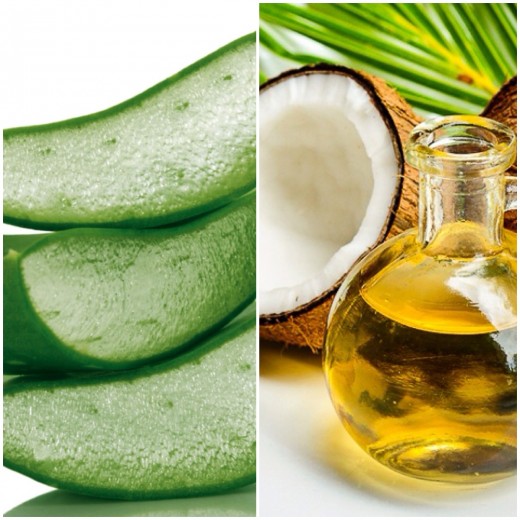
coconut-oil-aloe-vera-homemade-cream

Safe Recipe for a Whipped Moisturizing Cream

This recipe creates a light, whipped cream. Because it contains no preservatives, it must be made in small batches and stored correctly to prevent microbial growth.

Ingredients:

  • 1/2 cup extra-virgin, cold-pressed coconut oil
  • 1/4 cup pure Aloe Vera gel (preferably from a fresh leaf or a store-bought version with no added alcohol or fragrance)
  • Optional: 5-7 drops of lavender essential oil (*Lavandula angustifolia*) for its calming aroma and potential skin-soothing properties.

Instructions:

  1. Place the coconut oil in a mixing bowl. If it is solid, allow it to soften slightly at room temperature but do not melt it completely.
  2. Using an electric mixer or a whisk, whip the coconut oil for 5-7 minutes until it becomes light and fluffy.
  3. Slowly add the aloe vera gel to the whipped coconut oil, continuing to mix until fully incorporated. The mixture may temporarily separate, but continued whipping should bring it together.
  4. If using, add the lavender essential oil and mix for another minute to combine.
  5. Transfer the finished cream to a sterilized, airtight glass jar.

Administration Protocol and Safety Limits

Proper application and storage are critical for both the safety and efficacy of this homemade preparation.

Protocol Guideline
Mandatory Patch Test Before first use, apply a small amount to your inner forearm. Wait 24 hours to check for any signs of redness, itching, or irritation. Discontinue use immediately if a reaction occurs.
Application Apply a thin layer to clean, dry skin. It is most effective after a bath or shower when the skin is still slightly damp, as this helps lock in moisture. Use clean hands or a spatula to remove cream from the jar.
Storage and Shelf Life Store in the refrigerator in a sterilized, airtight glass container. Due to the high water content from aloe vera and the lack of preservatives, this cream is susceptible to bacterial and mold growth. Discard after 2-3 weeks, or immediately if you notice any change in color, smell, or texture.

Specific Biological Limitation

The primary limitation of this cream relates to the comedogenic nature of coconut oil. While beneficial for dry skin on the body, its molecular structure can easily clog pores on the face, neck, and back. For this reason, individuals with oily, combination, or acne-prone skin should avoid using this preparation on those areas to prevent breakouts. Furthermore, the natural latex found in the rind of the aloe leaf can cause allergic reactions if not properly removed from the gel.

Contraindications and Precautions

This natural preparation is not suitable for everyone. Therefore, observing the following precautions is essential for safe use.

  • Allergies: Do not use if you have a known allergy to aloe, coconut, or any plants in the Liliaceae family (e.g., onion, garlic, tulips).
  • Skin Type: Avoid use on the face or other acne-prone areas if you have oily skin, as coconut oil is highly comedogenic.
  • Broken or Infected Skin: Do not apply to open wounds, deep cuts, or infected skin without consulting a healthcare provider. While both ingredients have beneficial properties, they are not sterile and could introduce bacteria into a wound.
  • Severe Skin Conditions: While this cream may help soothe dryness associated with eczema or psoriasis, it is not a treatment. Consequently, you should always follow a dermatologist’s prescribed care plan for these conditions.

Therapeutic Alternatives

If this cream is not suitable for your skin type or if you have an allergy, several other botanical ingredients offer excellent moisturizing properties.

  1. Shea Butter (*Vitellaria paradoxa*): A rich emollient high in fatty acids and vitamins. It is non-comedogenic for most people and is excellent for very dry or chapped skin.
  2. Jojoba Oil (*Simmondsia chinensis*): Structurally similar to the skin’s natural sebum, jojoba oil is a lightweight moisturizer that is well-tolerated by most skin types, including oily and sensitive skin.
  3. Calendula-Infused Oil (*Calendula officinalis*): Calendula is renowned for its anti-inflammatory and skin-soothing properties. An oil infused with its flowers can be a gentle and effective moisturizer for irritated or sensitive skin.

Recent Medical Research (2020-2026)

Recent studies continue to validate the traditional uses of these ingredients while clarifying their mechanisms.

  • A 2021 study published in Molecules reaffirmed the wound-healing and anti-inflammatory potential of *Aloe barbadensis*, attributing its effects to the synergistic action of its many polysaccharides and phenolic compounds.
  • Research in the International Journal of Dermatology has explored the role of virgin coconut oil in improving skin barrier function. A 2022 review highlighted its efficacy in moisturizing dry skin and reducing symptoms of atopic dermatitis in pediatric patients, likely due to its emollient and antimicrobial properties.

However, research gaps remain, particularly concerning the stability and preservation of homemade preparations and the long-term effects of topical application on the skin microbiome.

Specialist’s Summary

A homemade cream of Aloe Vera and Coconut Oil can be a useful natural moisturizer for dry skin on the body, leveraging the hydrating effects of aloe and the emollient properties of coconut oil. However, it is contraindicated for facial use in acne-prone individuals due to the high comedogenicity of coconut oil. For safety, always perform a patch test, prepare in small batches, and store in the refrigerator for no more than three weeks. Validated alternatives for sensitive or oily skin include Jojoba Oil and Shea Butter.

Frequently Asked Questions

Can I use this aloe and coconut oil cream on my face?
It is generally not recommended for the face, especially for those with oily, combination, or acne-prone skin. Coconut oil is highly comedogenic and can clog pores, potentially leading to breakouts.

Why does my homemade cream need to be refrigerated?
Aloe vera gel is mostly water. Mixing it with oil without a preservative creates an ideal environment for bacteria, mold, and yeast to grow. Refrigeration slows this process, but it does not stop it completely, which is why small batches and a short shelf life are critical.

Can this cream treat sunburn?
While aloe vera is traditionally used to soothe sunburn, this cream, which contains oil, may trap heat and is not ideal for fresh burns. For a new sunburn, pure aloe vera gel is a more appropriate choice. This cream can be used after the initial inflammation has subsided to help with peeling and dryness.

Sources and References

  • Sánchez, M., et al. (2020). Pharmacological Update Properties of *Aloe Vera* and its Major Active Constituents. Molecules.
  • Vaughn, A. R., et al. (2018). Natural oils for skin-barrier repair: ancient compounds now backed by modern science. Journal of Drugs in Dermatology.
  • Lin, T. K., et al. (2017). Anti-Inflammatory and Skin Barrier Repair Effects of Topical Application of Some Plant Oils. International Journal of Molecular Sciences.

⚠️ Important Medical Information

This article is for educational and informational purposes only and is not intended as medical advice, diagnosis, or treatment. The information provided about Aloe Vera and Coconut Oil is based on traditional use, preliminary research, and available scientific evidence, which may be limited.

Before using this homemade cream:

  • Consult a qualified healthcare provider or dermatologist, especially if you are pregnant, breastfeeding, or have existing health conditions like severe eczema, psoriasis, or active skin infections.
  • Do not use as a substitute for prescribed medications or professional medical treatment.
  • Individual results may vary – what works for one person may not work for another. Always perform a patch test.
  • Monitor for adverse reactions and discontinue use if negative symptoms such as rashes, breakouts, or irritation occur.

Regulatory status: The ingredients discussed are generally available for cosmetic use. However, this homemade preparation has not been evaluated by the FDA for treating, curing, or preventing any disease.


You may also like

Leave a Comment