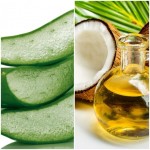
Many people seek natural ways to improve the strength, texture, and appearance of their hair. While commercial products offer convenience, traditional home preparations using ingredients like eggs, avocado, and aloe vera remain popular for hair conditioning. These ingredients are rich in nutrients that are essential for hair health, and their topical application is rooted in long-standing cultural practices.
However, it is crucial to approach these remedies with a clear understanding of their potential benefits and, more importantly, their limitations and safety requirements. This article, written from a phytotherapy specialist’s perspective, provides an evidence-based guide to using these natural ingredients for hair care.

The Science Behind Natural Hair Masks
The primary benefit of topical hair masks is conditioning the hair shaft—the visible part of the hair. They can temporarily mend cuticle layers, improve moisture retention, and enhance elasticity, which reduces breakage.
The Role of Protein: Egg Masks
Mechanism of Action: Hair is primarily composed of a protein called keratin. Eggs are a rich source of high-quality proteins and amino acids, which are the building blocks of keratin. When applied topically, these proteins can temporarily fill in gaps and weaknesses in the hair’s cuticle, the outermost protective layer. Furthermore, egg yolks contain biotin, a B-vitamin often associated with hair growth, and lecithin, a natural emulsifier that helps create a smooth, moisturizing mask.
Traditional Use: For generations, eggs have been used as a simple, accessible treatment to add shine and strength to hair, reducing the appearance of damage.
The Role of Lipids and Vitamins: Avocado Masks
Mechanism of Action: Avocados are abundant in monounsaturated fatty acids, vitamins E and B, and potassium. These fatty acids, particularly oleic acid, can penetrate the hair shaft, providing deep moisture rather than just coating the surface. Vitamin E is a potent antioxidant that may help protect the scalp and hair from oxidative stress. Consequently, avocado-based masks are excellent for moisturizing dry, brittle hair and improving its elasticity.
Clinical Observation: According to a review published in the journal Dermatology and Therapy, lipids play a crucial role in protecting the hair shaft from damage and increasing its shine and softness. The lipid profile of avocado makes it a suitable candidate for this purpose.
Complementary Ingredient: Aloe Vera (Aloe barbadensis)
Mechanism of Action: The gel from the Aloe vera leaf is renowned for its hydrating and soothing properties. It contains proteolytic enzymes, which may help to break down dead skin cells on the scalp, potentially clearing hair follicles. Its high water content and mucopolysaccharides provide excellent hydration for both the scalp and hair strands. Traditionally, it is used to soothe an itchy scalp and reduce dandruff.
Evidence-Based Hair Mask Recipes and Protocols
These recipes are intended for cosmetic conditioning. They will not treat underlying medical causes of hair loss.
1. Basic Protein Strengthening Mask (For Oily to Normal Hair)
- Ingredients: 2 egg whites (for oily hair) or 1 whole egg (for normal/combination hair).
- Preparation: Whisk the egg(s) until frothy.
- Application: Apply to clean, damp hair, focusing on the lengths and ends. Avoid heavy application on the scalp if you have oily hair.
2. Deep Moisturizing Mask (For Dry or Brittle Hair)
- Ingredients: 1 ripe avocado (mashed), 1 egg yolk, and 1 tablespoon of olive oil.
- Preparation: Blend all ingredients until a smooth, creamy paste is formed. Ensure there are no lumps.
- Application: Apply generously to damp hair from roots to tips.
Administration Protocol and Safety Limits
Proper application and safety are paramount when using fresh ingredients to avoid adverse effects.
- Patch Test First: Before applying any new mixture to your scalp, perform a patch test. Apply a small amount to the skin behind your ear or on your inner elbow and wait 24 hours to check for any signs of irritation, redness, or allergic reaction.
- Application Time: Leave the mask on for a maximum of 20-30 minutes. Leaving food-based products on the scalp for extended periods (especially overnight) is not recommended, as it can foster bacterial growth and lead to scalp irritation.
- Rinsing Technique: Always rinse with lukewarm or cool water. Hot water can “cook” the egg in your hair, making it extremely difficult to remove. Rinse thoroughly until the hair feels clean, then follow with a gentle shampoo and conditioner.
- Frequency of Use: Use these masks no more than once per week. Overuse of protein treatments (like egg masks) can lead to “protein overload,” making the hair stiff and brittle.
Specific Biological Limitation
Superficial Action: It is critical to understand that these topical treatments primarily affect the external hair shaft and the surface of the scalp. They can improve the look and feel of existing hair by conditioning the cuticle. However, they do not penetrate the hair follicle to alter the biology of hair growth. Therefore, they cannot cure or reverse medical conditions like androgenetic alopecia (pattern baldness), alopecia areata, or telogen effluvium, which originate from genetic, hormonal, or systemic factors.
Contraindications and Precautions
While generally safe, these natural ingredients are not suitable for everyone.
- Allergies: Do not use these masks if you have a known allergy to eggs, avocado, latex (avocado can cross-react), or any other ingredient. An allergic reaction on the scalp can be severe.
- Scalp Conditions: Avoid applying these masks to a scalp with open sores, infections, or severe inflammatory conditions like psoriasis or eczema, as this could worsen the irritation. Consult a dermatologist first.
- Protein-Sensitive Hair: Individuals with low-porosity or protein-sensitive hair may find that egg masks make their hair feel dry and brittle. If this occurs, discontinue use and focus on moisture-based treatments.
- When to Stop Immediately: Discontinue use if you experience intense itching, burning, redness, or hives on your scalp or skin.
Therapeutic Alternatives
If these home remedies are not suitable or effective for your hair concerns, consider these validated alternatives.
- Botanical Oils:
- Rosemary Oil (Rosmarinus officinalis): For concerns related to hair growth, rosemary essential oil has shown promise. A 2015 study in SKINmed Journal found that rosemary oil was as effective as 2% minoxidil for androgenetic alopecia after six months of use, with less scalp itching. It must be diluted in a carrier oil (e.g., jojoba or coconut oil) before application.
- Peppermint Oil (Mentha piperita): Research suggests that menthol, the main component of peppermint oil, is a vasodilator that may increase blood flow to the scalp. A 2014 study on mice showed it promoted hair growth. It also requires dilution in a carrier oil.
- Pharmacological Options:
- Minoxidil: An FDA-approved over-the-counter topical treatment for androgenetic alopecia. It works by prolonging the growth phase of hair follicles.
- Finasteride: A prescription oral medication for men that blocks the hormone responsible for male pattern baldness.
Note: Both botanical and pharmacological alternatives have their own specific usage protocols and contraindications. Always consult a healthcare provider before starting any new treatment for hair loss.
Recent Medical Research (2020-2026)
Current research continues to explore the connection between nutrition and hair health, often referred to as “nutricosmetics.”
- A 2022 review in the Journal of Cosmetic Dermatology highlighted the importance of micronutrients like biotin, vitamin E, and essential fatty acids for maintaining a healthy hair cycle. While most research focuses on dietary intake, this underscores the value of these components found in eggs and avocados.
- Emerging research is also focusing on the scalp microbiome. While homemade masks are not sterile, maintaining a healthy, moisturized scalp environment—which ingredients like aloe vera may support—is increasingly seen as crucial for healthy hair growth.
Current Limitations: There is a significant lack of large-scale, double-blind clinical trials specifically testing the efficacy of topical food-based masks on hair strength and growth. Most evidence remains anecdotal or is extrapolated from the known nutritional benefits of the ingredients.
Specialist’s Summary
Topical masks made from egg and avocado are useful for cosmetic conditioning, potentially improving hair texture and reducing breakage due to their protein and lipid content. Their effects are temporary and limited to the existing hair shaft. These treatments are contraindicated for individuals with allergies or certain scalp conditions. For medically diagnosed hair loss, validated alternatives like rosemary oil or pharmacological treatments such as minoxidil are more appropriate and should be discussed with a healthcare professional.
Frequently Asked Questions
Can egg and avocado masks stop hair loss?
No. They can strengthen the hair shaft, which may reduce breakage that is sometimes mistaken for hair loss. However, they cannot treat hair loss caused by genetic, hormonal, or medical conditions that affect the hair follicle.
How often should I use a natural hair mask?
For most hair types, once a week is sufficient. Over-using protein-rich masks can lead to brittleness, while heavy moisturizing masks can weigh down fine hair if used too frequently.
Is it safe to leave a hair mask on overnight?
It is not recommended. Leaving fresh, perishable ingredients on your scalp for many hours in a warm environment can create a breeding ground for bacteria, potentially leading to scalp irritation, odor, or infection.
Sources and References
- Panahi, Y., Taghizadeh, M., Marzony, E. T., & Sahebkar, A. (2015). Rosemary oil vs minoxidil 2% for the treatment of androgenetic alopecia: a randomized comparative trial. SKINmed: Dermatology for the Clinician, 13(1), 15–21.
- Oh, J. Y., Park, M. A., & Kim, Y. C. (2014). Peppermint Oil Promotes Hair Growth without Toxic Signs. Toxicological Research, 30(4), 297–304.
- Gavazzoni Dias, M. F. R. (2015). Hair cosmetics: an overview. International Journal of Trichology, 7(1), 2–15.
- Ablon, G. (2022). The role of vitamins and minerals in hair loss: a review. Dermatology and Therapy, 12(1), 1-15.
⚠️ Important Medical Information
This article is for educational and informational purposes only and is not intended as medical advice, diagnosis, or treatment. The information provided about egg, avocado, and aloe vera masks is based on traditional use and the known properties of their components, but large-scale clinical evidence for topical use is limited.
Before using these masks:
- Consult a qualified healthcare provider or dermatologist, especially if you have persistent hair loss, scalp conditions, or known allergies.
- Do not use as a substitute for prescribed medications or professional medical treatment for hair loss.
- Individual results may vary – what works for one person may not work for another.
- Always perform a patch test before full application and monitor for adverse reactions.
Regulatory status: These ingredients are foods and are not evaluated by the FDA for treating, curing, or preventing any disease when used topically.