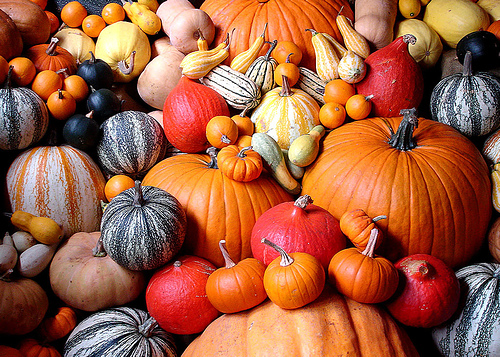
Pumpkin Benefits: Immunity, Inflammation, and Safe Use

by Andreea Smiterson
0 comments
A+A-
Reset

While commonly associated with autumn festivities and desserts, pumpkin (*Cucurbita* species) is a nutritionally dense food with a history of use in traditional diets worldwide for its health-supportive properties. From a phytotherapeutic perspective, its value lies not in potent, drug-like actions but in its rich concentration of vitamins, minerals, and bioactive compounds that contribute to overall wellness. Specifically, its profile suggests a supportive role in immune function and the modulation of inflammatory processes when included as part of a balanced diet.

This article provides an evidence-based overview of pumpkin’s nutritional benefits, explains its mechanisms of action, and outlines clear safety protocols for its consumption.

The Science Behind Pumpkin’s Health Benefits

Pumpkin’s vibrant orange color signals its high concentration of carotenoids, which are precursors to vitamin A. Furthermore, it is an excellent source of fiber, vitamin C, potassium, and various antioxidants that work synergistically to support bodily functions.

Immune System Support: More Than a Seasonal Treat

A robust immune system relies on a steady supply of key micronutrients, many of which are abundant in pumpkin. For instance, the beta-carotene in pumpkin is converted by the body into vitamin A, an essential nutrient for maintaining the integrity of mucosal barriers in the respiratory and gastrointestinal tracts. These barriers are the body’s first line of defense against pathogens. Additionally, vitamin A plays a critical role in the development and differentiation of immune cells. Pumpkin also provides a significant amount of vitamin C, which, according to research, stimulates the production and function of white blood cells and acts as a powerful antioxidant, protecting immune cells from damage.

Modulating Inflammation Through Antioxidants

Chronic inflammation is a key driver of many systemic health issues. Pumpkin contains a variety of antioxidant compounds, including carotenoids like beta-carotene, lutein, and zeaxanthin, which help neutralize unstable molecules known as free radicals. Consequently, by reducing oxidative stress, these compounds may help modulate the body’s inflammatory response. It is important to note, however, that consuming pumpkin is a dietary strategy to support a healthy inflammatory balance, not a direct treatment for inflammatory diseases like arthritis. The anti-inflammatory benefits are cumulative and part of a broader healthy lifestyle.

Supporting Vision and Skin Integrity

The same antioxidants that benefit the immune system also play a crucial role in ocular and dermatological health. Lutein and zeaxanthin, for example, are carotenoids that accumulate in the retina of the eye. Research published in journals like Nutrients indicates that these compounds help filter harmful high-energy blue light and protect the eyes from free radical damage, potentially reducing the risk of age-related macular degeneration and cataracts. Similarly, the conversion of beta-carotene to vitamin A supports skin cell turnover and repair, while vitamin C is essential for collagen synthesis, promoting skin elasticity and health.

Boost Immunity and Reduce Inflammation with Pumpkins

Aiding Metabolic Health and Weight Management

Pumpkin is a low-calorie, high-fiber food, making it an excellent addition to a diet focused on weight management. The high fiber content slows digestion, which promotes a feeling of fullness (satiety) and can help control appetite. Therefore, incorporating pumpkin into meals can help reduce overall calorie intake. Moreover, its fiber helps regulate blood sugar levels by slowing the absorption of glucose, which is beneficial for maintaining stable energy and supporting metabolic health.

Administration Protocol and Safety Limits

As a whole food, pumpkin is generally safe for regular consumption. However, for optimal health benefits and safety, certain guidelines should be followed.

Parameter Guideline
Recommended Serving Size A standard serving is approximately 1 cup (245 grams) of cooked, mashed pumpkin.
Maximum Daily Dose While there is no strict toxic dose, excessive long-term consumption (multiple cups daily for weeks) can lead to carotenemia, a harmless condition where the skin turns yellow-orange.
Method of Consumption Cooked pumpkin (steamed, roasted, or pureed) is recommended, as cooking breaks down the plant’s cell walls, increasing the bioavailability of carotenoids and other nutrients.
Consumption Frequency Can be safely incorporated into the diet several times per week. For a balanced nutrient intake, it is advisable to rotate with other vegetables.

Specific Biological Limitation

High Potassium Content: Pumpkin is notably rich in potassium, a mineral essential for heart function and fluid balance. While beneficial for most people, this becomes a significant concern for individuals with chronic kidney disease (CKD) or other conditions requiring potassium restriction. The kidneys of those with CKD cannot effectively remove excess potassium from the blood, leading to a dangerous condition called hyperkalemia. Therefore, individuals with impaired kidney function must consult their healthcare provider or a registered dietitian before adding significant amounts of pumpkin to their diet.

Contraindications and Precautions

Despite being a healthy food, pumpkin is not suitable for everyone in all situations.

  • Allergies: Although rare, allergies to pumpkin exist. Symptoms can range from mild oral allergy syndrome to more severe reactions. Discontinue use if any allergic symptoms appear.
  • Vulnerable Populations: Pumpkin is considered safe and nutritious during pregnancy, breastfeeding, and for children when introduced as part of a varied, age-appropriate diet.
  • Drug Interactions:
    • Diuretics: Pumpkin has a mild diuretic effect. Consuming large quantities may increase the effects of diuretic medications and could potentially affect the clearance of certain drugs, such as lithium.
    • Blood Thinners: Pumpkin contains Vitamin K, which plays a role in blood clotting. While the amount is moderate, individuals on anticoagulant medications like warfarin should maintain a consistent intake of Vitamin K-containing foods and consult their doctor.

Therapeutic Alternatives

If pumpkin is not suitable or available, other foods and botanicals offer similar benefits.

  • For Carotenoids and Immune Support: Sweet potatoes (*Ipomoea batatas*) and carrots (*Daucus carota*) are excellent alternatives, providing high levels of beta-carotene and other essential nutrients.
  • For Anti-inflammatory Support: Turmeric (*Curcuma longa*), containing the active compound curcumin, offers potent anti-inflammatory properties through different biological pathways. It can be used as a spice in cooking.
  • For Fiber and Satiety: Lentils and chickpeas are rich in both soluble and insoluble fiber, promoting digestive health and satiety, making them excellent for metabolic support.

Recent Medical Research (2020-2026)

Modern research continues to explore the health benefits of pumpkin and its components. For instance, a 2022 review published in the journal Plants highlighted the potential of *Cucurbita* species’ bioactive compounds in managing metabolic syndrome, noting their antioxidant, anti-inflammatory, and hypoglycemic properties. Another study in Food Chemistry (2021) analyzed the carotenoid profiles of different pumpkin varieties, confirming their role as a primary dietary source of provitamin A. However, most evidence comes from nutritional science and preclinical studies; more large-scale human clinical trials are needed to confirm specific therapeutic effects.

Specialist’s Summary

Pumpkin is a highly nutritious food that supports general health, particularly immune function and metabolic balance, due to its rich content of carotenoids, fiber, and vitamins. Its primary benefits are preventative and supportive, best realized as part of a consistent, healthy diet. However, it is contraindicated for individuals with severe kidney disease due to its high potassium content. Validated alternatives include other carotenoid-rich vegetables like sweet potatoes or targeted anti-inflammatory botanicals like turmeric.

Frequently Asked Questions

Is canned pumpkin as healthy as fresh pumpkin?
Yes, 100% pure canned pumpkin puree is a highly nutritious option. It is often more concentrated in nutrients than fresh pumpkin due to the removal of water content. However, it is crucial to choose pure puree and not pumpkin pie filling, which contains added sugars and spices.

Can eating too much pumpkin be harmful?
For most people, it is very difficult to eat a harmful amount of pumpkin. The most likely side effect of excessive, long-term consumption is carotenemia, a harmless condition where the skin takes on a yellowish tint from beta-carotene buildup. This condition is reversible once intake is reduced. Individuals with kidney disease, however, must avoid excess due to the risk of hyperkalemia.

Does pumpkin help you lose weight?
Pumpkin can support weight loss efforts as part of a balanced diet. Its high fiber and water content, combined with its low calorie count, help you feel full and satisfied, which can lead to reduced overall calorie consumption. It is a tool for weight management, not a “miracle” weight loss food.

Sources and References

  • Ahmad, A., et al. (2022). Phytochemical and Pharmacological Potential of Pumpkin (*Cucurbita* species). Plants (Basel). https://www.mdpi.com/2223-7747/11/11/1396
  • Carvalho, L. M. J., et al. (2021). Carotenoid profile of pumpkin fruit and pumpkin seed oil from different species (*Cucurbita maxima* and *Cucurbita moschata*). Food Chemistry.
  • National Institutes of Health. (2023). Vitamin A – Fact Sheet for Health Professionals.

⚠️ Important Medical Information

This article is for educational and informational purposes only and is not intended as medical advice, diagnosis, or treatment. The information provided about Pumpkin is based on nutritional science and traditional use.

Before making significant changes to your diet:

  • Consult a qualified healthcare provider, especially if you are pregnant, breastfeeding, taking medications, or have existing health conditions like chronic kidney disease.
  • Do not use as a substitute for prescribed medications or professional medical treatment.
  • Individual results may vary.
  • Monitor for adverse reactions, such as allergies, and discontinue use if negative symptoms occur.

Regulatory status: Pumpkin is a food product and is not evaluated by the FDA for treating, curing, or preventing any disease.


You may also like

Leave a Comment