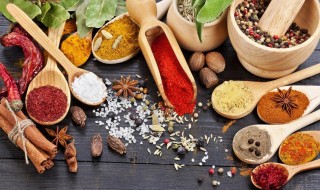
Spices are fundamental in culinary arts, providing unique flavors and aromas that define dishes worldwide. However, their value extends far beyond the kitchen. Many spices possess well-documented medicinal properties and have been integral to traditional healing systems for centuries. Modern science is now beginning to validate these ancient uses, exploring how these botanicals can support health and wellness. This article provides a professional overview of six common spices, focusing on their evidence-based therapeutic potential, administration protocols, and crucial safety information.

1. Cinnamon (Cinnamomum spp.)
Cinnamon, derived from the inner bark of trees belonging to the Cinnamomum genus, is one of the world’s most ancient and valued spices. While traditionally used as a warming agent for colds and congestion, its most researched modern application relates to metabolic health. Specifically, cinnamon has demonstrated a notable ability to support healthy blood sugar levels, making it a subject of interest for managing prediabetes and type 2 diabetes as an adjunct therapy.
⚠️ WARNING – Potential Liver Toxicity with Cassia Cinnamon!
It is crucial to distinguish between Ceylon (“true”) cinnamon and the more common Cassia cinnamon. Cassia contains significant amounts of coumarin, a compound that can cause liver damage in sensitive individuals or at high doses. Therefore, for therapeutic use, Ceylon cinnamon is the preferred and safer option.
Administration Protocol and Safety Limits
| Parameter | Guideline |
| Therapeutic Form | Ground Ceylon cinnamon powder or standardized extracts. |
| Maximum Daily Dose | Up to 6 grams of Ceylon cinnamon powder. For Cassia, limit to 1-2 grams due to coumarin content. |
| Frequency | Divided into 2-3 doses per day. |
| Administration | Take with meals to support post-meal glucose control and minimize potential gastrointestinal upset. |
| Treatment Duration | Up to 3 months, followed by a 1-month break to assess continued need and prevent potential adverse effects. |
Contraindications and Precautions
- Absolute Contraindications: Individuals with known liver disease or damage should avoid Cassia cinnamon entirely.
- Pregnancy and Breastfeeding: Culinary amounts are safe; however, high-dose supplements are not recommended due to a lack of safety data.
- Major Drug Interactions: Use with caution alongside antidiabetic medications, as it may potentiate their effects and increase the risk of hypoglycemia. It may also interact with anticoagulant drugs and hepatotoxic medications.
2. Turmeric (Curcuma longa)
A cornerstone of Ayurvedic medicine, turmeric owes its vibrant color and therapeutic properties to curcuminoids, primarily curcumin. Curcumin is a powerful anti-inflammatory and antioxidant compound. Consequently, its primary use in modern phytotherapy is to help manage chronic inflammatory conditions, such as osteoarthritis, and to support overall antioxidant defenses within the body. Its antimicrobial properties are also well-documented.
Specific Biological Limitation
The primary challenge with turmeric is the poor bioavailability of curcumin. The body absorbs it inefficiently and metabolizes it quickly. For this reason, effective therapeutic use often requires specific formulations. Combining turmeric with piperine (an alkaloid from black pepper) or a source of fat significantly enhances curcumin absorption.
Administration Protocol and Safety Limits
| Parameter | Guideline |
| Therapeutic Form | Standardized curcumin extracts (often 95% curcuminoids) formulated with piperine or phospholipids for enhanced absorption. |
| Maximum Daily Dose | 500 mg to 2,000 mg of standardized curcumin extract. Doses above this should be medically supervised. |
| Frequency | Divided into 2-3 doses daily. |
| Administration | Always take with a meal that contains fat to maximize absorption. |
| Treatment Duration | Can be used long-term for chronic conditions, but periodic evaluation with a healthcare provider is recommended. |
Contraindications and Precautions
- Absolute Contraindications: Bile duct obstruction or gallstones, as turmeric stimulates bile production.
- Vulnerable Populations: Use with caution in individuals with bleeding disorders. Discontinue use at least two weeks before scheduled surgery.
- Major Drug Interactions: May enhance the effects of anticoagulant and antiplatelet drugs (e.g., warfarin, aspirin), increasing bleeding risk.
3. Paprika (Capsicum annuum)
Paprika is a ground spice made from dried red fruits of the larger, sweeter varieties of Capsicum annuum. While not as potent medicinally as its spicier relatives, it is an excellent source of antioxidants. Specifically, it is rich in carotenoids like capsanthin, beta-carotene, and lutein. These compounds contribute to cellular protection by neutralizing free radicals. Therefore, regular consumption of paprika as part of a balanced diet supports the body’s overall antioxidant network.
Administration and Safety
Paprika is primarily a culinary spice, and its benefits are best obtained through regular dietary inclusion rather than high-dose supplementation. There is no established therapeutic dosage. It is generally considered safe for most people. Hot varieties of paprika contain capsaicin and share the precautions associated with cayenne pepper.
Contraindications and Precautions
- Allergies: Individuals with allergies to nightshade plants (e.g., tomatoes, potatoes) may experience sensitivity.
- Hot Paprika: May cause gastrointestinal irritation in individuals with conditions like GERD or IBS.
4. Star Anise (Illicium verum)
These small, star-shaped pods have a distinct licorice-like flavor and have been used for centuries in traditional Chinese medicine to support digestion and respiratory health. Star anise possesses carminative properties, which help to expel gas from the digestive tract, thereby reducing bloating and flatulence. Furthermore, it contains shikimic acid, a precursor in the synthesis of the antiviral drug oseltamivir, and has expectorant properties that help loosen phlegm in coughs and colds.
⚠️ WARNING – Risk of Adulteration!
Ensure your source is reputable and provides authentic Chinese Star Anise (Illicium verum). It can be confused with Japanese Star Anise (Illicium anisatum), which is highly toxic and should never be consumed.
Administration Protocol and Safety Limits
| Parameter | Guideline |
| Therapeutic Form | Infusion (tea). |
| Dose per Administration | Steep 1-2 whole stars in 250 ml (approx. 1 cup) of boiling water for 10-15 minutes. |
| Frequency | Up to 3 times per day. |
| Administration | Best consumed after meals for digestive support or as needed for respiratory symptoms. |
| Treatment Duration | For acute conditions, use for up to 7-10 days. |
Contraindications and Precautions
- Absolute Contraindications: Due to its anethole content, which has estrogen-like effects, it is contraindicated for individuals with hormone-sensitive conditions such as breast, uterine, or ovarian cancer.
- Vulnerable Populations: Avoid during pregnancy and breastfeeding. Not recommended for infants and young children.
5. Cloves (Syzygium aromaticum)
Cloves are the aromatic flower buds of a tree in the family Myrtaceae. They are renowned for their high concentration of eugenol, a compound that provides potent antioxidant and antiseptic properties. Traditionally, cloves have been used as a breath freshener and a mild topical anesthetic, particularly for dental pain. Their carminative effects also help soothe the digestive system by reducing gas and bloating.
Administration Protocol and Safety Limits
For internal use, cloves are best consumed in culinary amounts. For topical use, such as for temporary toothache relief, clove essential oil must be used with extreme caution.
- Internal Use: Add whole or ground cloves to teas, desserts, or savory dishes. An infusion can be made with 2-3 whole cloves per cup of hot water.
- Topical Use (Toothache): Dip a cotton swab in a carrier oil (like olive or coconut oil), then add ONE drop of clove essential oil. Apply directly to the affected tooth, avoiding the gums. This is a temporary measure only. Never ingest undiluted clove oil.
Contraindications and Precautions
- Overdose Risk: Ingesting clove oil is toxic and can cause severe liver damage, seizures, and other serious health issues.
- Vulnerable Populations: Not recommended for children. Use with caution during pregnancy.
- Major Drug Interactions: High doses may interact with anticoagulant medications due to eugenol’s blood-thinning effects.
6. Cayenne and Chili Pepper (Capsicum annuum/frutescens)
The heat from cayenne and chili peppers comes from their primary active compound, capsaicin. In traditional medicine, these peppers are used as circulatory stimulants and to help clear congestion during colds and flus by promoting sweating and loosening mucus. Modern research has focused heavily on capsaicin’s role as a topical analgesic. When applied to the skin, it can deplete a neurotransmitter responsible for sending pain signals, providing relief for certain types of nerve and joint pain.
Specific Biological Limitation
Capsaicin’s mechanism involves activating the TRPV1 pain receptor, which creates the sensation of heat and can cause significant irritation. While this is key to its pain-relieving effect (through eventual receptor desensitization), it also means it can be highly irritating to the digestive tract and mucous membranes, especially for sensitive individuals.
Administration Protocol and Safety Limits
| Parameter | Guideline |
| Therapeutic Form | Internal: Culinary powder. Topical: Standardized creams or patches (0.025% to 0.075% capsaicin). |
| Maximum Daily Dose | Internal: No therapeutic dose established; use to taste. Topical: Apply a thin layer to the affected area 3-4 times daily. |
| Administration | Internal: Always consume with food. Topical: Wash hands thoroughly after application and avoid contact with eyes, mouth, or broken skin. |
| Treatment Duration | Topical: Consistent use for 1-2 weeks may be needed to experience pain relief. Consult a professional for long-term use. |
Contraindications and Precautions
- Internal Use: Avoid in high amounts if you have GERD, gastritis, or irritable bowel syndrome (IBS).
- Topical Use: Do not apply to damaged or irritated skin. A burning sensation is normal initially but should decrease with regular use. Discontinue if severe irritation or blistering occurs.
- Major Drug Interactions: May interact with antihypertensive medications and blood thinners.
Therapeutic Alternatives
If a particular spice is not suitable for you, consider these validated alternatives for similar benefits:
- For Anti-inflammatory Support: Boswellia (Boswellia serrata) is an excellent alternative to turmeric for joint health, with a different mechanism of action.
- For Digestive Support (Carminative): Peppermint (Mentha piperita) or Fennel (Foeniculum vulgare) are effective alternatives to Star Anise for relieving gas and bloating.
- For Blood Sugar Support: Fenugreek (Trigonella foenum-graecum) seeds also have clinical support for helping to regulate blood glucose levels.
Recent Medical Research (2020-2026)
Recent studies continue to uncover the mechanisms behind these spices’ benefits. For instance, a 2022 meta-analysis confirmed curcumin’s significant efficacy in reducing pain and stiffness in patients with knee osteoarthritis. Similarly, research into cinnamon’s effects on metabolic syndrome remains a very active field, with ongoing trials exploring its impact on lipid profiles in addition to glycemic control.
Specialist’s Summary
Culinary spices offer a safe and effective way to support health when used appropriately. Turmeric and cinnamon stand out for their strong evidence in supporting inflammatory and metabolic conditions, respectively. Others like star anise and cloves are useful for acute digestive or respiratory complaints. However, it is essential to respect dosages, be aware of contraindications, and understand that they are complementary therapies, not replacements for conventional medical care.
Frequently Asked Questions
Can I get the same benefits from just eating these spices in food?
For general wellness and antioxidant support, culinary use is excellent. However, for targeted therapeutic effects, such as significant inflammation reduction with turmeric, standardized extracts are often necessary to achieve a clinical dose.
Are spice supplements safe for everyone?
No. As detailed above, each spice has specific contraindications. Individuals with pre-existing health conditions, those taking medication, and pregnant or breastfeeding women should always consult a healthcare professional before starting any supplement.
How long does it take to see benefits?
This varies. For acute issues like bloating, relief may be felt within an hour. For chronic conditions like arthritis, it may take several weeks of consistent use of a standardized extract like curcumin to notice a significant improvement.
Sources and References
Recent Studies (2020-2026):
- Wang, Z., Singh, A., Jones, G., et al. (2022). Efficacy and safety of curcumin/turmeric for knee osteoarthritis: a systematic review and meta-analysis of randomized controlled trials. Annals of the New York Academy of Sciences.
- Deyno, S., Eneyew, K., Seyfe, S., et al. (2019). Efficacy and safety of cinnamon in type 2 diabetes mellitus and pre-diabetes patients: A meta-analysis and meta-regression. Diabetes Research and Clinical Practice.
Official Monographs: