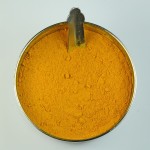
Turmeric (*Curcuma longa*) is a vibrant yellow-orange spice, renowned for its central role in culinary traditions, particularly in curries. However, beyond its warm, bitter taste and coloring properties, the root of the turmeric plant holds a long history in traditional medicine systems like Ayurveda. Modern science has focused on its primary active compounds, known as curcuminoids, with curcumin being the most significant. These compounds are responsible for most of turmeric’s therapeutic potential, which is now being investigated for various health applications. This article explores the evidence-based benefits of turmeric, while also providing essential safety protocols for its use.

⚠️ **WARNING – Risk of Bleeding and Gallbladder Issues!**
> *Turmeric and its active compound, curcumin, possess antiplatelet properties, which means they can slow blood clotting. Consequently, individuals with bleeding disorders or those taking anticoagulant or antiplatelet medications (blood thinners) should use turmeric with extreme caution. Furthermore, because it stimulates bile production, it is contraindicated for individuals with bile duct obstruction and should be used carefully by those with gallstones. Always consult a healthcare professional before starting supplementation.*
1. Potent Anti-inflammatory Properties
Chronic inflammation is a key driver of many common health conditions. Curcumin, the main active ingredient in turmeric, is a powerful anti-inflammatory agent. In fact, studies suggest its efficacy can be comparable to some anti-inflammatory drugs, but without the same side effect profile. It works by blocking NF-kB, a molecule that travels into the nuclei of cells and activates genes related to inflammation. For this reason, turmeric is widely studied for its potential to manage inflammatory conditions such as osteoarthritis and rheumatoid arthritis, where it may help reduce joint pain and stiffness.
2. Powerful Antioxidant Activity
Oxidative damage, caused by unstable molecules called free radicals, is believed to be one of the mechanisms behind aging and many diseases. Turmeric exhibits significant antioxidant properties in two ways. First, curcumin can directly neutralize free radicals due to its chemical structure. Second, and perhaps more importantly, it also boosts the activity of the body’s own antioxidant enzymes. Therefore, turmeric provides a dual-action defense against oxidative stress.
3. Supports Brain Health and Cognitive Function
Neurons are capable of forming new connections, but in certain areas of the brain, they can also multiply. A key driver of this process is Brain-Derived Neurotrophic Factor (BDNF), a type of growth hormone that functions in the brain. Many common brain disorders have been linked to decreased levels of this hormone. Interestingly, studies suggest that curcumin can increase brain levels of BDNF. As a result, it may be effective in delaying or even reversing age-related cognitive decline. It is also being investigated for its potential role in managing conditions like Alzheimer’s disease by helping to clear amyloid plaques, although research is still in early stages.
4. May Improve Metabolic Health Markers
Research indicates that turmeric may play a supportive role in maintaining metabolic health. For instance, some clinical trials have shown that curcumin can help lower levels of LDL (bad) cholesterol and triglycerides, which are significant risk factors for cardiovascular disease. Furthermore, it may help improve insulin sensitivity and support healthy blood sugar levels. However, this also means it can potentiate the effects of diabetes medications. Consequently, individuals with diabetes must consult their doctor before using turmeric supplements to avoid a dangerous drop in blood sugar (hypoglycemia).
5. Contributes to Liver Health
The liver is a vital organ for detoxification. Turmeric acts as a natural liver-supporting agent. It appears to enhance liver function by increasing the production of vital enzymes involved in the detoxification process. By improving the body’s ability to process and eliminate toxins, turmeric may help protect the liver from damage and support its overall health. Additionally, it can improve blood circulation, which further contributes to efficient liver function.
6. Modulates Immune System Function
Turmeric is known as an immunomodulator, meaning it helps regulate the immune system rather than simply “boosting” it. It contains a substance called lipopolysaccharide, which has been shown to stimulate the body’s immune response. Moreover, its well-documented anti-inflammatory, antiviral, and antibacterial properties can help the body manage infections. This regulatory effect makes it a useful supportive agent for maintaining a balanced and effective immune response.
7. Supports Skin Health
Due to its anti-inflammatory and antioxidant properties, turmeric can be beneficial for skin health. It is often used in formulated topical applications to help manage inflammatory skin conditions such as psoriasis and eczema by calming the skin and reducing redness. However, it is critical to use sterile, professionally prepared products. Never apply raw kitchen-grade turmeric powder directly to cuts or open wounds, as this can introduce bacteria and other contaminants, leading to serious infections.
8. Potential Adjunctive Role in Cancer Research
Cancer is a complex disease characterized by uncontrolled cell growth. Curcumin has been studied extensively in cancer research and has been shown to affect cancer growth, development, and spread at the molecular level. Researchers are investigating its potential as an adjunctive therapy to complement conventional treatments like chemotherapy, as it may help reduce side effects and improve treatment efficacy. It is crucial to understand that turmeric is not a cure for cancer and should never be used as a standalone treatment. Any use alongside conventional cancer therapy must be supervised by an oncologist.
Administration Protocol and Safety Limits
To achieve therapeutic effects, standardized curcumin extracts are necessary, as turmeric powder contains only about 3% curcumin by weight.
| Parameter | Guideline |
|---|---|
| Treatment Duration | Typically 8-12 weeks for chronic conditions like osteoarthritis. |
| Mandatory Break | A break of 2-4 weeks is recommended between treatment cycles. |
| Maximum Daily Dose | Up to 2,000 mg of standardized curcumin extract per day, divided into doses. |
| Overdose Risk | Exceeding 8,000 mg per day may cause significant gastrointestinal distress, such as nausea, diarrhea, and bloating. |
| Administration Condition | Take with a meal containing healthy fats (e.g., olive oil, avocado) and black pepper (piperine) to dramatically increase absorption. |
Specific Biological Limitation
Poor Bioavailability: The primary challenge with using turmeric for health is that its main active compound, curcumin, is poorly absorbed into the bloodstream. After consumption, it is rapidly metabolized and eliminated from the body. This means that simply adding turmeric spice to food is unlikely to provide significant therapeutic benefits. To overcome this limitation, effective supplements include an enhancer like piperine (the active component of black pepper), which has been shown to increase curcumin’s bioavailability by up to 2,000%. Other modern formulations use phytosomes or nanoparticles to improve absorption.
Contraindications and Precautions
Absolute Contraindications (Use is Forbidden)
- Bile Duct Obstruction: Turmeric stimulates bile flow, which can be dangerous and painful if the duct is blocked.
- Known Allergy: Individuals with a known allergy to turmeric or other plants in the ginger family should avoid it.
Vulnerable Populations
- Pregnancy: High doses or supplements are contraindicated as turmeric can stimulate uterine contractions. Culinary use is generally considered safe.
- Breastfeeding: Insufficient data exists on its safety; therefore, it is best to avoid supplementation.
- Children: Consult a pediatrician for appropriate dosing, as standard adult doses are not suitable.
- Gallstones: Use with caution and only under medical supervision, as it may cause gallbladder contractions.
Major Drug Interactions
- Anticoagulants/Antiplatelets (e.g., Warfarin, Aspirin, Clopidogrel): Turmeric can increase the risk of bleeding.
- Antidiabetic Drugs: It may enhance the effect of these medications, increasing the risk of hypoglycemia.
- Stomach Acid Reducers (e.g., Omeprazole): Turmeric may interfere with the action of these drugs.
Documented Adverse Effects
- Common: Nausea, diarrhea, dizziness, and stomach upset, especially at higher doses.
- When to Stop Immediately: Discontinue use and consult a doctor if you experience signs of an allergic reaction (rash, hives, swelling) or unusual bruising or bleeding.
Therapeutic Alternatives
If turmeric is not a suitable option for you, consider these validated alternatives for inflammation:
Botanical Alternatives with Studies
- Boswellia (Boswellia serrata): Often called Indian frankincense, it contains boswellic acids that are potent anti-inflammatory agents. It is frequently combined with curcumin for a synergistic effect in managing joint pain.
- Ginger (Zingiber officinale): A close relative of turmeric, ginger contains gingerols, which have strong anti-inflammatory and antioxidant effects. It is particularly effective for nausea and digestive inflammation.
Pharmacological Option
- Non-Steroidal Anti-Inflammatory Drugs (NSAIDs): Medications like ibuprofen or naproxen are effective for acute pain and inflammation. However, they should be used under medical guidance due to potential long-term side effects.
Note: Each alternative has its own specific contraindications and safety profile.
Recent Medical Research (2020-2026)
Modern research continues to validate and explore the benefits of curcumin.
- A 2023 Meta-Analysis published in the *Journal of Medicinal Food* concluded that curcumin supplementation significantly improves pain and physical function in patients with knee osteoarthritis, presenting it as a safe and effective complementary therapy.
- Research from 2024 in the journal *Antioxidants* explored novel delivery systems for curcumin, such as nanoparticles, to overcome its poor bioavailability, showing enhanced efficacy in preclinical models of inflammatory diseases.
Current Limitations
While promising, much of the high-impact research has been conducted in vitro (in a lab) or in animal models. More large-scale, long-term human clinical trials are needed to establish definitive dosage guidelines and confirm its efficacy for many of the conditions it is purported to help.
Specialist’s Summary
Turmeric, primarily through its active compound curcumin, is a well-researched botanical with potent anti-inflammatory and antioxidant effects, making it a valuable supportive agent for conditions like osteoarthritis. Its therapeutic use is limited by poor bioavailability, requiring enhanced formulations for efficacy. It is contraindicated in bile duct obstruction and requires extreme caution for individuals on blood thinners or with gallbladder issues. Validated alternatives for inflammation include Boswellia and Ginger.
Frequently Asked Questions
What is the difference between turmeric and curcumin?
Turmeric is the whole spice root, while curcumin is the most potent and scientifically studied active compound within turmeric. Turmeric powder contains only about 2-5% curcumin, which is why high-potency supplements are standardized to contain a much higher concentration (typically 95%) of curcuminoids.
Why is black pepper often added to turmeric supplements?
Black pepper contains a compound called piperine. Piperine significantly enhances the absorption (bioavailability) of curcumin in the body, in some cases by up to 2,000%. Without an absorption enhancer like piperine or a lipid-based delivery system, most of the curcumin you consume would pass through your body without providing a therapeutic effect.
Can I take turmeric supplements every day?
For therapeutic purposes, turmeric supplements are typically taken daily for a defined period, such as 8-12 weeks, followed by a break. Long-term, continuous daily use should be discussed with a healthcare provider to monitor for any potential side effects or interactions. Using turmeric as a culinary spice in food daily is generally considered safe for most people.
Sources and References
Recent Studies (2020-2026):
- Wang, Z., et al. (2023). Efficacy and Safety of Curcumin and Curcuma longa Extract in the Treatment of Knee Osteoarthritis: A Systematic Review and Meta-Analysis of Randomized Controlled Trials. Journal of Medicinal Food. https://pubmed.ncbi.nlm.nih.gov/37054904/
- Stohs, S. J., et al. (2020). A Review of the Safety and Efficacy of Turmeric and Curcumin. Food and Chemical Toxicology.
Official Monographs:
- National Center for Complementary and Integrative Health (NCCIH). Turmeric – NCCIH
- Memorial Sloan Kettering Cancer Center. Turmeric – MSKCC