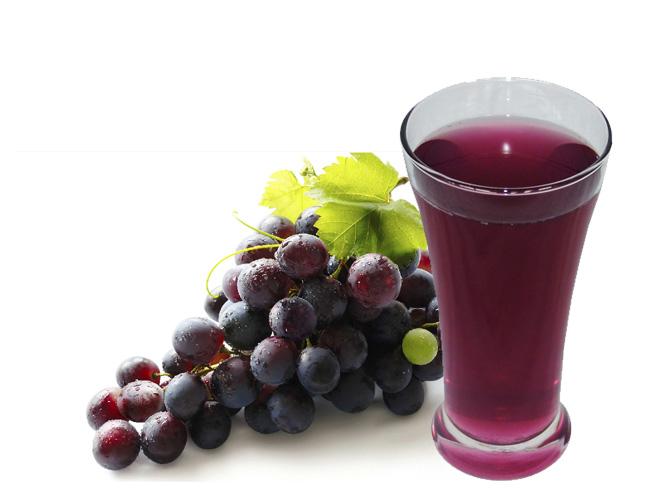
Living with the chronic inflammation and pain associated with arthritis can significantly impact daily activities. Consequently, many individuals explore dietary strategies to complement their medical treatment. One such dietary component that has garnered interest is grape juice, primarily due to its rich content of bioactive compounds. While not a cure, incorporating specific types of grape juice into a balanced diet may offer supportive benefits for managing inflammatory symptoms.
⚠️ WARNING – High Sugar Content!
It is crucial to understand that most commercial grape juices are high in sugar. Excessive sugar intake can be pro-inflammatory, potentially worsening arthritis symptoms and contributing to other health issues like weight gain and metabolic syndrome. Therefore, this article exclusively discusses the potential benefits of 100% pure, unsweetened, dark grape juice consumed in strict moderation. Always consult a healthcare provider before making significant dietary changes, especially if you have diabetes or other metabolic conditions.
The Science Behind Grapes and Inflammation
The potential benefits of grape juice are not attributed to a single “miracle” ingredient but rather to a complex synergy of plant-based compounds known as polyphenols. Indeed, these substances are the focus of modern research, moving away from anecdotal claims about ingredients like pectin, which lack robust clinical evidence for arthritis management when consumed this way.
Key Bioactive Compounds
-
- Anthocyanins: These are the pigments that give dark grapes their deep red and purple colors. Furthermore, research indicates that anthocyanins possess potent antioxidant and anti-inflammatory properties, which may help neutralize oxidative stress and downregulate inflammatory pathways in the body.
- Resveratrol: Found predominantly in the skin of grapes, resveratrol is a well-studied polyphenol. It has been shown to modulate inflammatory processes, for instance, by inhibiting the activity of enzymes like cyclooxygenase (COX), which are targets for many anti-inflammatory drugs.
- Flavonoids (e.g., Quercetin): Grapes are also a source of various flavonoids, such as quercetin. This compound acts as a powerful antioxidant and has demonstrated an ability to stabilize mast cells, which release histamine and other inflammatory mediators.
These compounds work collectively to combat cellular damage and reduce the production of inflammatory molecules. However, it is important to note that most of this evidence comes from laboratory or animal studies, and large-scale human trials specifically on grape juice for arthritis are still limited.

Administration Protocol and Safety Limits
If you choose to incorporate grape juice into your diet, you must adhere to strict safety protocols to avoid the negative effects of its high sugar content.
Treatment Duration
-
- Dietary Integration: View grape juice as a consistent part of a long-term, anti-inflammatory diet, not a short-term “treatment.”
- Regular Evaluation: Monitor your symptoms and blood sugar levels. If you experience any negative effects, discontinue use and consult your physician.
Quantity and Maximum Dose
-
- Maximum Daily Dose: A healthy adult should not exceed 1 small glass (120-150 ml or 4-5 oz) per day of 100% unsweetened grape juice.
- Overdose Risk: Exceeding this amount significantly increases your daily sugar intake. Consequently, this can lead to blood sugar spikes, weight gain, and a pro-inflammatory state, thereby negating any potential benefits from the polyphenols.
Administration Condition
-
- Timing: Consume grape juice with a meal that contains fiber, protein, and healthy fats. This helps to slow down the absorption of sugar and prevent sharp spikes in blood glucose.
- Hydration: Do not use grape juice to replace water. Maintain adequate hydration by drinking at least 2 liters of water daily.
- Whole Fruit is Superior: Whenever possible, consuming whole dark grapes is a better alternative. The fiber in whole fruit slows sugar absorption and provides additional health benefits.
Specific Biological Limitation
High Glycemic Load and Fructose Content
The primary biological limitation of grape juice is its high concentration of natural sugars (fructose and glucose) without the natural fiber found in whole grapes. When you consume juice, these sugars are rapidly absorbed into the bloodstream, causing a quick increase in blood glucose and insulin levels. For this reason, chronic high sugar intake is directly linked to increased levels of inflammatory markers in the blood, such as C-reactive protein (CRP).
Specifically, excess fructose is metabolized in the liver and can contribute to non-alcoholic fatty liver disease, insulin resistance, and the production of uric acid, which is a major concern for individuals with gouty arthritis. Therefore, the potential anti-inflammatory benefits of the polyphenols are in a delicate balance with the pro-inflammatory risks of the sugar content.
How to Choose Quality Grape Juice
Quality Criteria for a Therapeutic Product
-
- Labeling: Look for products labeled “100% Juice,” “Not from Concentrate,” and “No Added Sugar.” Avoid products labeled “juice drink,” “cocktail,” or “beverage,” as they often contain added sweeteners and water.
- Color: Choose dark purple or red grape juice (e.g., from Concord grapes) over white or green grape juice. The deep color indicates a higher concentration of beneficial anthocyanins.
- Ingredients: The ingredient list should be simple: “grape juice.” Avoid products with high-fructose corn syrup, artificial colors, or preservatives. Organic options can also minimize pesticide exposure.
Contraindications and Precautions
Absolute Contraindications
-
- Diabetes and Insulin Resistance: Individuals with these conditions should avoid grape juice or consume it only under strict medical supervision due to its high sugar content.
- Gout: High fructose intake can increase uric acid levels, potentially triggering gout flares.
- Fructose Malabsorption or Intolerance: Grape juice can cause significant digestive distress in people with these conditions.
Vulnerable Populations
-
- Pregnancy and Breastfeeding: Moderate consumption is likely safe, but it is best to consult a doctor. Focus on whole fruits instead.
- Children: Limit juice intake significantly due to sugar content. The American Academy of Pediatrics recommends strict limits on all fruit juices for children.
Major Drug Interactions
-
- Anticoagulants and Antiplatelet Drugs (e.g., Warfarin, Clopidogrel): Grape compounds, particularly flavonoids, may have a mild blood-thinning effect. Therefore, high consumption could theoretically increase the risk of bleeding when combined with these medications.
- Blood Pressure Medications: Due to its potassium content, grape juice could interact with certain blood pressure drugs. Consult a pharmacist or doctor.
Quick Guide: Grape Juice Safety
| Category | Details |
|---|---|
| ❌ Who should AVOID | • Individuals with diabetes or insulin resistance • People with active gout or high uric acid levels • Those with fructose intolerance |
| 📊 Maximum safe dose | • Adults: 1 small glass (120-150 ml / 4-5 oz) per day • Choose 100% unsweetened juice • Consume with a balanced meal |
| 🚨 ALARM signs | • Worsening joint pain or inflammation • Significant spikes in blood sugar • Digestive issues (bloating, diarrhea) |
| 💊 Major interactions | • Anticoagulants (e.g., Warfarin) • Antiplatelet drugs (e.g., Clopidogrel) |
| ⏱️ When to consult doctor | IMMEDIATELY if alarm signs appear OR Before adding it to your diet if you have any chronic condition. |
💡 Golden rule: When in doubt, prioritize whole fruit over fruit juice.
Recent Medical Research (2020-2026)
Recent research continues to focus on the mechanisms of grape polyphenols rather than grape juice as a whole. Studies confirm the anti-inflammatory potential of compounds like resveratrol and proanthocyanidins in cellular and animal models of arthritis. For instance, a 2023 review in the journal Molecules highlighted the role of various grape-derived compounds in mitigating cartilage degradation and inflammation. However, researchers consistently emphasize that translating these findings to human dietary interventions requires more clinical trials. The current scientific consensus is that these compounds are promising, but their efficacy through juice consumption is limited by the high sugar load.
Therapeutic Alternatives
If grape juice is not suitable for you, consider these evidence-based alternatives for dietary inflammation management:
Botanical Alternatives with Studies
-
- Turmeric (Curcuma longa): Its active compound, curcumin, is a potent anti-inflammatory agent with extensive research supporting its use in arthritis. It is often formulated with black pepper (piperine) to enhance absorption.
- Ginger (Zingiber officinale): Ginger contains gingerols, which have anti-inflammatory properties similar to non-steroidal anti-inflammatory drugs (NSAIDs) but with a better safety profile for the stomach.
- Boswellia (Boswellia serrata): Also known as Indian frankincense, Boswellia extract has been shown in clinical trials to reduce pain and improve function in osteoarthritis.
Dietary Strategies
-
- Omega-3 Fatty Acids: Found in fatty fish (salmon, mackerel), flaxseeds, and walnuts, these fats are converted into anti-inflammatory compounds in the body.
- Mediterranean Diet: This dietary pattern, rich in fruits, vegetables, whole grains, and healthy fats, is consistently associated with lower levels of inflammation.
Specialist’s Summary
Pure, unsweetened dark grape juice contains beneficial polyphenols like resveratrol and anthocyanins that may offer mild anti-inflammatory support as part of a broader arthritis management plan. However, its utility is severely limited by a high sugar content, which can be counterproductive. It is absolutely contraindicated for individuals with diabetes or metabolic issues and must be consumed in very small quantities (max 150 ml/day) with meals. Superior and safer alternatives include consuming whole grapes or incorporating clinically validated botanicals like turmeric and ginger.
Frequently Asked Questions
Can grape juice cure arthritis?
No. There is no cure for most forms of arthritis. Grape juice should never be considered a treatment. At best, it is a minor dietary component that might offer supportive benefits due to its polyphenol content, but it cannot replace medical treatment.
How long does it take to see any effect from drinking grape juice?
Any potential benefits from dietary changes are typically gradual and cumulative. You should not expect noticeable changes in a few weeks. Consistent, long-term adherence to an overall anti-inflammatory diet is more important than focusing on a single food item.
Is eating whole grapes better than drinking grape juice?
Yes, absolutely. Whole grapes provide all the same polyphenols plus dietary fiber. Fiber slows the absorption of sugar, prevents blood glucose spikes, supports gut health, and contributes to satiety. Whole fruit is always the superior choice over fruit juice.
Sources and References
-
- Tresserra-Rimbau, A., et al. (2023). “Grape-Derived Polyphenols: A Review of Their Mechanisms of Action against Chronic Diseases.” Molecules, 28(3), 1287. https://www.mdpi.com/1420-3049/28/3/1287
- Kaur, M., et al. (2021). “The Therapeutic Potential of Resveratrol in Rheumatoid Arthritis: A Comprehensive Review.” Molecules, 26(13), 3896. https://www.mdpi.com/1420-3049/26/13/3896
- American Heart Association. “Added Sugars.” https://www.heart.org/en/healthy-living/healthy-eating/eat-smart/sugar/added-sugars