Gelatin for Osteoarthritis Pain: A Research-Based Guide
Osteoarthritis is a degenerative joint condition characterized by the breakdown of cartilage, leading to pain, stiffness, and reduced mobility. It most commonly affects weight-bearing joints like the knees and hips, as well as the hands and spine. While conventional treatments focus on managing symptoms, many individuals explore complementary approaches for support. Consequently, interest has grown in the potential role of gelatin and its derivative, collagen hydrolysate, in supporting joint health.
This article provides an evidence-based overview of how gelatin may help manage osteoarthritis symptoms, based on scientific research and clinical observations. Furthermore, it outlines clear safety protocols, potential risks, and effective therapeutic alternatives.
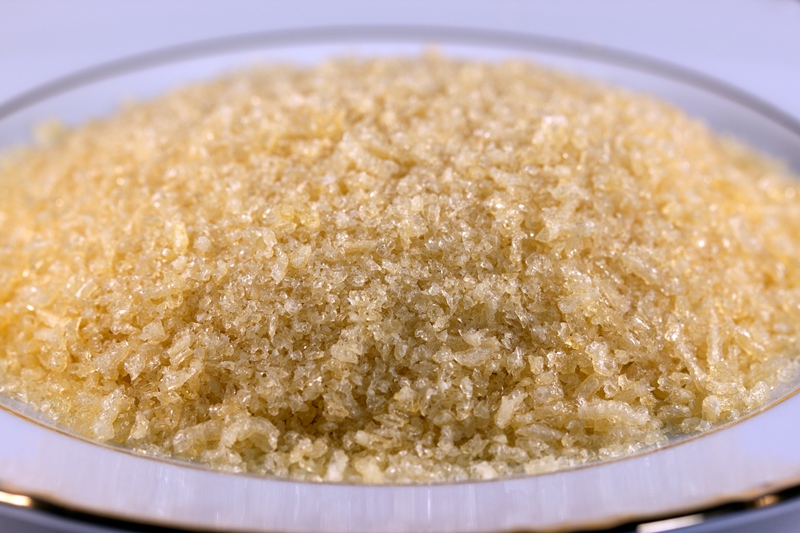
How Gelatin May Support Joint Health
Gelatin is a protein derived from cooking collagen, which is sourced from the skin, bones, and connective tissues of animals. Importantly, for therapeutic use, a more easily absorbed form called collagen hydrolysate (or collagen peptides) is typically studied and recommended.
The proposed mechanism of action is straightforward. When you consume collagen hydrolysate, it is broken down into amino acids and small peptides in the gut. Research suggests these components are absorbed into the bloodstream and can accumulate in cartilage. For instance, studies indicate that these peptides may stimulate chondrocytes—the cells responsible for cartilage maintenance—to produce more collagen and other components of the extracellular matrix, potentially helping to preserve joint structure and function.
What the Scientific Evidence Shows
Early clinical research has explored the effects of gelatin and collagen supplements on osteoarthritis symptoms, with some promising results.
A foundational study published in *Osteoarthritis and Cartilage* involved 175 patients with knee osteoarthritis. The group receiving a daily gelatin supplement experienced significant improvements in pain, stiffness, and mobility compared to the placebo group.
More recently, a 2019 meta-analysis in *International Orthopaedics* reviewed multiple randomized controlled trials. The authors concluded that collagen hydrolysate demonstrates a potential therapeutic effect on osteoarthritis symptoms, particularly in improving joint function and reducing pain. However, it is crucial to note that the effects are generally considered modest, and researchers emphasize the need for more extensive, high-quality studies to establish definitive conclusions.
Administration Protocol and Safety Limits
For gelatin or collagen hydrolysate to be used effectively and safely, it is essential to follow a structured protocol. The recommendations below are based on dosages used in clinical research.
| Parameter | Recommendation |
| Recommended Form | Collagen Hydrolysate or Peptides (more easily absorbed than culinary gelatin). |
| Maximum Daily Dose | 8-12 grams per day for a healthy adult. |
| Treatment Duration | Continuous use for 3 to 6 months is often required to observe potential benefits. |
| Mandatory Break | Consider a 1-month break after every 6 months of continuous use to assess ongoing need. |
| Administration Condition | Can be taken with or without food. Dissolve powder in water, juice, or a smoothie. Taking it with a source of Vitamin C (e.g., orange juice) may support collagen synthesis in the body. |
Specific Biological Limitation
The primary biological limitation of gelatin and collagen relates to its high protein and specific amino acid content. It is particularly rich in glycine, proline, and hydroxyproline.
For most healthy individuals, this is not a concern. However, for people with compromised kidney function or those on a medically prescribed protein-restricted diet, adding a significant daily amount of gelatin could place an undue burden on the kidneys. Therefore, individuals with chronic kidney disease must consult their nephrologist before starting supplementation.
Contraindications and Precautions
While generally considered safe for most people, gelatin and collagen supplements are not without potential risks and contraindications.
Absolute Contraindications
- Source-Specific Allergies: Individuals with known allergies to bovine (beef), porcine (pork), or marine (fish) products must avoid gelatin derived from those sources.
- Severe Kidney Disease: As mentioned, those with impaired renal function should avoid high-dose protein supplements unless cleared by a specialist.
Vulnerable Populations
- Pregnancy and Breastfeeding: There is insufficient reliable data on the safety of collagen supplements during pregnancy and lactation. Therefore, it is best to avoid use during these periods.
- Children: The use of these supplements for joint conditions in children has not been established and is not recommended without pediatric consultation.
Documented Adverse Effects
The most commonly reported side effects are mild and gastrointestinal in nature:
- Feelings of fullness or bloating
- Heartburn or indigestion
- Unpleasant taste
These effects are often dose-dependent and may resolve by lowering the daily amount.
Therapeutic Alternatives
If gelatin is not suitable or effective, several well-researched botanical alternatives can help manage osteoarthritis symptoms, often through different mechanisms of action.
- Boswellia serrata (Frankincense): This herbal extract contains boswellic acids, which are potent anti-inflammatory compounds. Unlike NSAIDs, Boswellia specifically inhibits the 5-lipoxygenase (5-LOX) enzyme, reducing inflammatory mediators that contribute to pain and cartilage degradation. It is an excellent choice for targeting inflammation directly.
- Curcuma longa (Turmeric): The active compound, curcumin, is a powerful anti-inflammatory that modulates multiple pathways, including COX-2 and NF-kappaB. For effective use, it should be combined with piperine (from black pepper) or formulated for enhanced bioavailability.
- Avocado/Soybean Unsaponifiables (ASU): This is a natural extract made from avocado and soybean oils. Clinical studies have shown that ASU can help protect cartilage by inhibiting molecules that cause its breakdown and may also help stimulate cartilage repair. It is considered a slow-acting, chondroprotective agent.
Note: Each alternative has its own specific contraindications and potential drug interactions. Always consult a healthcare provider before starting any new supplement.
Recent Medical Research (2020-2026)
Modern research continues to refine our understanding of collagen’s role in joint health.
A 2023 systematic review published in the journal *Nutrients* analyzed numerous studies on collagen supplementation for joint pain. The authors concluded that daily supplementation with collagen hydrolysate for at least three months can lead to a statistically significant reduction in joint pain and improvement in function for individuals with osteoarthritis.
However, the current scientific consensus acknowledges limitations. The ideal dosage, duration, and specific type of collagen for optimal results are still being investigated. Furthermore, the overall effect size is often small to moderate, meaning it provides noticeable but not dramatic relief for everyone.
Specialist’s Summary
Gelatin, particularly in its hydrolyzed collagen form, serves as a source of amino acids that are building blocks for cartilage. Evidence suggests it may offer modest, gradual relief from osteoarthritis pain and stiffness when taken consistently for 3-6 months. It is generally safe but is contraindicated for individuals with source allergies or severe kidney conditions. For those seeking stronger anti-inflammatory action, validated alternatives like Boswellia serrata and bioavailable Curcumin are excellent options.
Frequently Asked Questions
1. How long does it take for gelatin to help with joint pain?
Effects are not immediate. Most clinical studies show that consistent daily supplementation for at least 3 to 6 months is necessary before noticeable improvements in pain and function are reported.
2. Is eating bone broth or Jell-O as effective as a supplement?
While bone broth and gelatin-based desserts contain gelatin, the concentration and bioavailability of the active peptides are highly variable and often much lower than in a standardized collagen hydrolysate supplement. For a therapeutic dose, a concentrated supplement is more reliable.
3. What is the difference between gelatin and collagen hydrolysate?
Gelatin is formed when collagen is partially broken down with heat (cooking). Collagen hydrolysate (or peptides) is collagen that has been broken down further into smaller, more easily absorbed protein fragments. This latter form is what is typically used in clinical studies for joint health.
4. Is gelatin safe for children or during pregnancy?
No. There is insufficient safety data to recommend the use of gelatin or collagen supplements in children or during pregnancy and breastfeeding. It is best to avoid them in these populations unless specifically advised by a healthcare provider.
Sources and References
- Moskowitz, R. W. (2000). Role of collagen hydrolysate in bone and joint disease. Seminars in Arthritis and Rheumatism.
- García-Coronado, J. M., et al. (2019). Effect of collagen supplementation on osteoarthritis symptoms: a meta-analysis of randomized placebo-controlled trials. International Orthopaedics.
- Khatri, M., et al. (2021). The effects of collagen peptide supplementation on body composition, collagen synthesis, and recovery from joint injury and exercise: a systematic review. Amino Acids.
- Vázquez-Lorente, H., et al. (2023). Effect of Collagen Supplementation on Joint Pain: A Systematic Review and Meta-Analysis. Nutrients.
⚠️ Important Medical Information
This article is for educational and informational purposes only and is not intended as medical advice, diagnosis, or treatment. The information provided about Gelatin is based on traditional use, preliminary research, and available scientific evidence, which may be limited.
Before using Gelatin:
- Consult a qualified healthcare provider, especially if you are pregnant, breastfeeding, taking medications, or have existing health conditions like kidney disease.
- Do not use as a substitute for prescribed medications or professional medical treatment.
- Individual results may vary – what works for one person may not work for another.
- Monitor for adverse reactions and discontinue use if negative symptoms occur.




Where can we find it to buy and what we call it in hindi