Garlic and Onions for Cancer Risk Reduction: What Science Says
Garlic (*Allium sativum*) and onions (*Allium cepa*) are foundational ingredients in cuisines worldwide, celebrated not only for their pungent flavors but also for their long history in traditional health practices. Both belong to the Allium family of vegetables. In recent years, scientific interest has focused on their potential role in supporting cellular health and reducing the risk of certain types of cancer. However, it is crucial to approach this topic with a clear understanding of the evidence.
This article provides an evidence-based overview of how garlic and onions may contribute to a cancer-preventive lifestyle, explaining their mechanisms, the supporting research, and essential safety protocols.
The Science Behind Alliums and Cellular Health
The potential health benefits of garlic and onions are largely attributed to their rich content of bioactive compounds. Indeed, laboratory studies have illuminated several ways these compounds may interact with bodily processes.
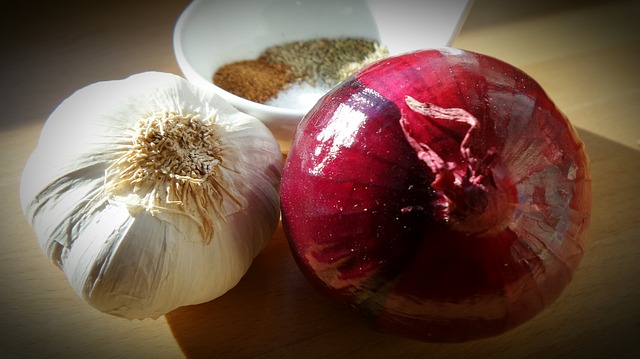
* Organosulfur Compounds: Garlic is particularly rich in a compound called alliin. When a garlic clove is crushed or chopped, an enzyme named alliinase converts alliin into allicin, the component responsible for its characteristic aroma and many of its potential biological effects. Allicin and its derivatives are believed to support the body’s natural detoxification processes and may help regulate cell growth.
* Flavonoids: Onions, especially red and yellow varieties, are an excellent source of flavonoids like quercetin. Quercetin is a powerful antioxidant that helps neutralize unstable molecules called free radicals. Consequently, by reducing oxidative stress, these compounds may help protect cellular DNA from damage.
Research suggests these compounds work by modulating enzymes involved in carcinogen metabolism, inhibiting the proliferation of abnormal cells, and exerting anti-inflammatory effects.
What Current Research Indicates
Numerous population-based studies have investigated the link between Allium vegetable consumption and cancer risk. For instance, a comprehensive meta-analysis published in the journal *Frontiers in Nutrition* found that higher intake of garlic and onions was associated with a reduced risk of several digestive system cancers, including gastric, colorectal, and esophageal cancers.
Specifically, the evidence appears strongest for cancers of the gastrointestinal tract. The compounds in these vegetables come into direct contact with these tissues, which may explain the more pronounced association. However, it is important to note that most of this evidence comes from observational studies, which show a correlation but cannot definitively prove causation. Furthermore, the effects on other types of cancer, such as breast or prostate, are less clear, with studies showing conflicting results.
Maximizing Benefits Through Preparation
To harness the potential benefits of these vegetables, preparation is key. The active compounds are sensitive to heat and require specific steps to be activated.
* Garlic: The formation of allicin begins only after the clove is chopped, crushed, or minced. To maximize its production, experts recommend letting minced or chopped garlic rest for 10-15 minutes before cooking or adding it to acidic ingredients like lemon juice.
* Onions: Similarly, chopping or slicing onions releases their beneficial compounds. Consuming them raw in salads or as a garnish is an excellent way to preserve their full phytochemical profile, as high-heat cooking can degrade some of the heat-sensitive compounds like quercetin.
A dietary goal might include one to two cloves of garlic and about half a cup of chopped onion daily as part of a balanced, plant-rich diet.
Administration Protocol and Safety Limits
While garlic and onions are common foods, consuming them in high quantities for therapeutic purposes requires awareness of safety limits.
Dietary Intake Guidelines
- Treatment Duration: As part of a healthy diet, garlic and onions can be consumed regularly without a mandatory break.
- Maximum Daily Dose: For a healthy adult, a dietary intake of up to 4 cloves of garlic (approximately 4 grams) and one medium onion per day is generally considered safe. Exceeding this significantly may increase the risk of digestive upset.
- Method of Consumption: To minimize potential heartburn or irritation, it is best to consume them with meals rather than on an empty stomach.
Specific Biological Limitation
The primary biological limitation of garlic relates to its effect on blood clotting. The same organosulfur compounds that offer health benefits can also inhibit platelet aggregation. While this may be beneficial for cardiovascular health, it poses a risk for individuals with bleeding disorders or those taking anticoagulant medications. This effect can increase the risk of excessive bleeding during and after surgical procedures.
Contraindications and Precautions
Always consult a healthcare provider before using garlic supplements or significantly increasing your intake for health purposes.
Absolute Contraindications
- Bleeding Disorders: Individuals with conditions like hemophilia should avoid high intakes of garlic.
- Pre- and Post-Surgery: It is recommended to discontinue high-dose garlic consumption or supplements at least two weeks before scheduled surgery to reduce the risk of bleeding.
Vulnerable Populations
- Pregnancy and Breastfeeding: Normal dietary amounts are safe. However, high-dose garlic supplements are not recommended due to a lack of safety data.
- Gastroesophageal Reflux Disease (GERD) and Irritable Bowel Syndrome (IBS): Both garlic and onions can trigger symptoms like heartburn and bloating in sensitive individuals.
Major Drug Interactions
- Anticoagulants and Antiplatelets (e.g., Warfarin, Clopidogrel, Aspirin): Garlic can potentiate the effects of these drugs, increasing the risk of bleeding and bruising. Medical supervision is essential.
- HIV Protease Inhibitors (e.g., Saquinavir): High doses of garlic have been shown to reduce the effectiveness of certain HIV medications.
Documented Adverse Effects
- Common: Bad breath (halitosis), body odor, heartburn, and gastrointestinal discomfort.
- Rare: Allergic reactions.
Therapeutic Alternatives
If garlic and onions are not suitable for you, other dietary components have been studied for their role in supporting cellular health.
1. Cruciferous Vegetables (Broccoli, Kale, Cabbage): These are rich in glucosinolates, which convert to isothiocyanates like sulforaphane. Research suggests sulforaphane supports the body’s detoxification pathways.
2. Turmeric (*Curcuma longa*): The active compound, curcumin, is a potent anti-inflammatory agent that has been extensively studied for its effects on cellular signaling pathways.
3. Green Tea (*Camellia sinensis*): Contains catechins, particularly epigallocatechin-3-gallate (EGCG), a powerful antioxidant that may help protect cells from DNA damage.
Recent Medical Research (2020-2026)
Modern research continues to refine our understanding of Allium vegetables.
* A 2021 meta-analysis in *Frontiers in Nutrition* confirmed a significant inverse association between high Allium vegetable consumption and the risk of digestive tract cancers. The authors concluded that incorporating these vegetables into the daily diet is a potentially effective preventive strategy.
* Research published in the *Journal of Clinical Oncology* continues to explore the specific mechanisms, with recent studies focusing on how organosulfur compounds may influence the gut microbiome, which in turn plays a role in immune function and inflammation.
Despite promising findings, researchers emphasize that no single food can prevent cancer. The greatest benefit comes from a holistic approach that includes a varied, plant-forward diet, regular physical activity, and avoiding known carcinogens like tobacco.
Specialist’s Summary
Regular dietary intake of garlic and onions is associated with a reduced risk of certain cancers, particularly those of the digestive system. This effect is attributed to their organosulfur compounds and flavonoids, which provide antioxidant and cell-regulatory benefits. However, they are not a cure or standalone preventive measure. High intake is contraindicated for individuals on blood-thinning medication or preparing for surgery. Validated dietary alternatives for cellular support include cruciferous vegetables and turmeric.
Frequently Asked Questions
1. Can eating garlic and onions truly prevent cancer?
No single food can prevent cancer. However, a diet rich in garlic, onions, and other vegetables is a key component of a healthy lifestyle that is associated with a significantly lower risk of developing various types of cancer. Think of them as part of a broader risk-reduction strategy, not a guarantee.
2. Is cooked garlic as beneficial as raw garlic?
Raw garlic that has been chopped and allowed to rest provides the highest levels of allicin. Cooking, especially at high temperatures or for long durations, can reduce allicin content. However, cooked garlic still retains other beneficial compounds and contributes to overall health.
3. Should I take garlic supplements instead of eating the vegetable?
Whole food is almost always preferable, as it provides a complex matrix of nutrients that work together. Garlic supplements are not regulated in the same way as pharmaceuticals, and their potency can vary. Furthermore, supplements carry a higher risk of side effects and drug interactions. Always consult a healthcare provider before starting any new supplement.
Sources and References
- Chiavarini, M., et al. (2021). Allium Vegetables and Digestive System Cancers: A Systematic Review and Meta-Analysis. *Frontiers in Nutrition*. https://www.frontiersin.org/articles/10.3389/fnut.2021.634223/full
- Nicastro, H. L., Ross, S. A., & Milner, J. A. (2015). Garlic and onions: their cancer prevention properties. *Cancer prevention research (Philadelphia, Pa.)*.
- World Health Organization. (1999). WHO Monographs on Selected Medicinal Plants – Volume 1: Bulbus Allii Sativi. https://www.who.int/publications/i/item/9241545178
⚠️ Important Medical Information
This article is for educational and informational purposes only and is not intended as medical advice, diagnosis, or treatment. The information provided about Garlic and Onions is based on traditional use, preliminary research, and available scientific evidence, which may be limited.
Before using Garlic and Onions for therapeutic purposes:
- Consult a qualified healthcare provider, especially if you are pregnant, breastfeeding, taking medications (particularly blood thinners), or have existing health conditions like GERD or bleeding disorders.
- Do not use as a substitute for prescribed medications or professional medical treatment for cancer or any other disease.
- Individual results may vary – what works for one person may not work for another.
- Monitor for adverse reactions and discontinue use if negative symptoms occur.
Regulatory status: Garlic and Onions are foods. When sold as supplements, they are considered dietary supplements and have not been evaluated by the FDA for treating, curing, or preventing any disease.