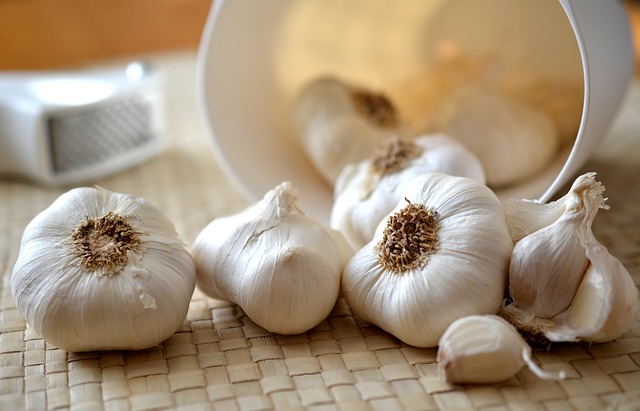
Garlic (*Allium sativum*), a staple in kitchens worldwide, also holds a significant place in the history of traditional medicine. For centuries, cultures from ancient Egypt to China have utilized this pungent bulb for its health-promoting properties. Modern science has begun to validate many of these traditional uses, primarily linking garlic’s benefits to a sulfur compound called allicin, which is released when a clove is crushed, chopped, or chewed.
However, while garlic offers potential health advantages, it is not a “miracle cure” and requires careful, informed use. This article provides an evidence-based overview of garlic’s benefits, focusing on its role in cardiovascular and immune health, while outlining essential safety protocols for its use.

Evidence-Based Health Benefits of Garlic
Research has moved beyond folklore to identify specific mechanisms through which garlic may support health. Importantly, most significant benefits are observed with consistent, long-term use of standardized extracts or regular dietary intake, not from occasional consumption.
1. Cardiovascular System Support
Garlic is most extensively studied for its positive effects on heart health. Consequently, it is recognized by authoritative bodies like the World Health Organization (WHO) and Commission E for its role in supporting cardiovascular wellness.
- Blood Pressure Regulation: Several meta-analyses of clinical trials suggest that garlic supplements can produce a modest but statistically significant reduction in both systolic and diastolic blood pressure, particularly in individuals with hypertension. For instance, a 2020 meta-analysis published in Experimental and Therapeutic Medicine confirmed that garlic supplementation effectively lowers blood pressure in hypertensive patients. The mechanism is believed to involve the promotion of nitric oxide, a compound that helps relax and widen blood vessels.
- Cholesterol Management: Furthermore, garlic appears to influence blood lipid levels. Research indicates it may help lower total cholesterol and LDL (“bad”) cholesterol by a small margin. Its compounds are thought to inhibit key enzymes in the liver that are involved in cholesterol production.
2. Immune System Modulation
Traditionally, garlic has been used to ward off common infections. Modern research suggests it may enhance the function of the immune system. Specifically, studies show that aged garlic extract can increase the activity of certain immune cells, such as macrophages and lymphocytes. A study in Clinical Nutrition found that supplementation with aged garlic extract reduced the severity of cold and flu symptoms and shortened their duration.
3. Antimicrobial and Antioxidant Properties
Allicin gives garlic its potent antibacterial, antiviral, and antifungal properties. While not a substitute for antibiotics, this explains its traditional use for minor infections. In some cultures, for example, a sliver of garlic was held in the mouth to help manage oral health issues like sore gums, leveraging its localized antimicrobial effects. Additionally, garlic contains powerful antioxidants that help protect cells from oxidative damage caused by free radicals, which contributes to aging and chronic disease.
Administration Protocol and Safety Limits
To use garlic effectively and safely, it is crucial to adhere to established dosage and duration guidelines. Overconsumption can lead to adverse effects and does not increase benefits.
| Form of Garlic | Recommended Daily Dose (for adults) | Important Notes |
|---|---|---|
| Fresh Garlic | 2-5 grams (approx. 1-2 cloves) | Crush or chop 10 minutes before use to activate allicin. Best consumed with food to minimize stomach upset. |
| Dried Powder | 0.4-1.2 grams | Ensure the product is standardized for allicin potential. |
| Aged Garlic Extract | 600-1,200 mg, often in divided doses | This form is odorless and generally better tolerated by the digestive system. |
Key Safety Rules
- Treatment Duration: For therapeutic purposes, use garlic supplements for cycles of up to 3 months.
- Mandatory Break: Take a break of at least 2-4 weeks between treatment cycles to allow the body to reset.
- Administration Condition: Always take garlic supplements or concentrated amounts of fresh garlic with a meal to prevent gastrointestinal irritation.
Specific Biological Limitation
Antiplatelet (Blood-Thinning) Effect: Garlic contains compounds that can inhibit platelet aggregation, which is the process of blood cells clumping together to form clots. While this can be beneficial for cardiovascular health by reducing the risk of unwanted clots, it becomes a significant risk for individuals with bleeding disorders or those taking anticoagulant or antiplatelet medications. This effect increases the risk of excessive bleeding and bruising.
Technical Warning: Due to this antiplatelet activity, all garlic supplements and high-dose garlic consumption should be discontinued at least 7 to 10 days before any scheduled surgery or dental procedure to prevent excessive bleeding.
Contraindications and Precautions
Before incorporating garlic supplements into your routine, it is essential to review the following contraindications.
Absolute Contraindications (Avoid Use)
- Bleeding Disorders: Individuals with conditions like hemophilia should avoid garlic supplements.
- Pre-Surgery: Discontinue use at least one week before scheduled surgery.
- Known Allergy: Do not use if you have a known allergy to garlic or other plants in the lily family (e.g., onion, leek).
Major Drug Interactions
- Anticoagulants and Antiplatelets (e.g., Warfarin, Clopidogrel, Aspirin): Garlic can potentiate the effects of these drugs, significantly increasing the risk of bleeding. This is a critical interaction that requires medical supervision.
- HIV Protease Inhibitors (e.g., Saquinavir): Garlic can reduce the effectiveness of these medications by speeding up their metabolism.
- Isoniazid: Garlic may interfere with the absorption and efficacy of this tuberculosis medication.
Documented Adverse Effects
- Common: Bad breath (halitosis), body odor, heartburn, and gastrointestinal upset are the most frequent side effects.
- Severe (Rare): In very high doses or on an empty stomach, it can cause nausea, vomiting, and diarrhea. Topical application of raw garlic can cause skin burns.
Therapeutic Alternatives
If garlic is not suitable for you due to contraindications or side effects, other botanicals and lifestyle changes can support similar health goals.
Botanical Alternatives for Cardiovascular Support
- Hawthorn (*Crataegus spp.*): Traditionally used as a cardiotonic, hawthorn berry, leaf, and flower extracts are recognized for supporting heart function, circulation, and helping to maintain blood pressure within the normal range.
- Hibiscus (*Hibiscus sabdariffa*): Tea made from hibiscus calyces has been shown in clinical trials to help lower blood pressure, acting as a mild diuretic and potentially as an ACE inhibitor.
- Beetroot (*Beta vulgaris*): Rich in dietary nitrates, beetroot juice helps the body produce nitric oxide, which relaxes blood vessels and can lead to a reduction in blood pressure.
Note: Each alternative has its own unique profile of benefits and contraindications. Always consult a healthcare provider before starting any new supplement.
Recent Medical Research (2020-2026)
Modern research continues to explore the nuances of garlic’s health effects. A 2020 meta-analysis in Antioxidants reinforced the significant blood pressure-lowering effects of garlic, highlighting its potential as an adjunct therapy for hypertension. Furthermore, a 2021 review in the Journal of Clinical Medicine explored garlic’s role in modulating gut microbiota, suggesting that its benefits may extend to digestive health and systemic inflammation.
Current Limitations: While the evidence for cardiovascular benefits is strong, more large-scale, long-term human trials are needed to determine optimal dosages and confirm its efficacy for other conditions. The variability in allicin content among different garlic preparations remains a challenge in research.
Specialist’s Summary
Garlic (*Allium sativum*) is a well-researched herb primarily useful for supporting cardiovascular health, specifically in managing mild hypertension and elevated cholesterol. Its effects are moderate and appear after consistent use. However, it is strictly contraindicated for individuals on blood-thinning medications or preparing for surgery due to its antiplatelet effects. Validated alternatives for heart health include Hawthorn, Hibiscus, and Beetroot.
Frequently Asked Questions
1. Can eating garlic every day lower my blood pressure?
Consistent dietary intake of 1-2 cloves of fresh garlic per day may contribute to better cardiovascular health and have a modest blood pressure-lowering effect over time. However, for a clinically significant impact, standardized garlic supplements are often required and should only be used under the guidance of a healthcare professional.
2. Does cooking garlic destroy its health benefits?
The enzyme that creates allicin is heat-sensitive. To preserve the most benefits, it is best to crush or chop garlic and let it sit for 10-15 minutes before cooking. Lightly cooking it for a short period is better than prolonged high-heat cooking, which can diminish its active compounds.
3. Is aged garlic extract better than raw garlic?
Aged garlic extract is odorless, gentler on the stomach, and has been used in many successful clinical trials. While it contains different active compounds than raw garlic (like S-allyl cysteine instead of allicin), it has demonstrated strong antioxidant and cardiovascular benefits. The “better” choice depends on individual tolerance and health goals.
Sources and References
- Ried, K. (2020). Garlic lowers blood pressure in hypertensive subjects, improves arterial stiffness and gut microbiota: A review and meta-analysis. Experimental and Therapeutic Medicine.
- Xiong, X. J., et al. (2015). Garlic for hypertension: A systematic review and meta-analysis of randomized controlled trials. Phytomedicine.
- World Health Organization (WHO). (1999). WHO Monographs on Selected Medicinal Plants – Volume 1: Bulbus Allii Sativi.
- Ansary, J., et al. (2020). Potential Health Benefit of Garlic Based on Human Intervention Studies: A Brief Overview. Antioxidants (Basel).
⚠️ Important Medical Information
This article is for educational and informational purposes only and is not intended as medical advice, diagnosis, or treatment. The information provided about Garlic is based on traditional use, preliminary research, and available scientific evidence, which may be limited.
Before using Garlic:
- Consult a qualified healthcare provider, especially if you are pregnant, breastfeeding, taking medications, or have existing health conditions like bleeding disorders.
- Do not use as a substitute for prescribed medications or professional medical treatment.
- Individual results may vary – what works for one person may not work for another.
- Monitor for adverse reactions and discontinue use if negative symptoms occur.
Regulatory status: Garlic, when sold as a supplement, is considered a dietary supplement and has not been evaluated by the FDA for treating, curing, or preventing any disease.